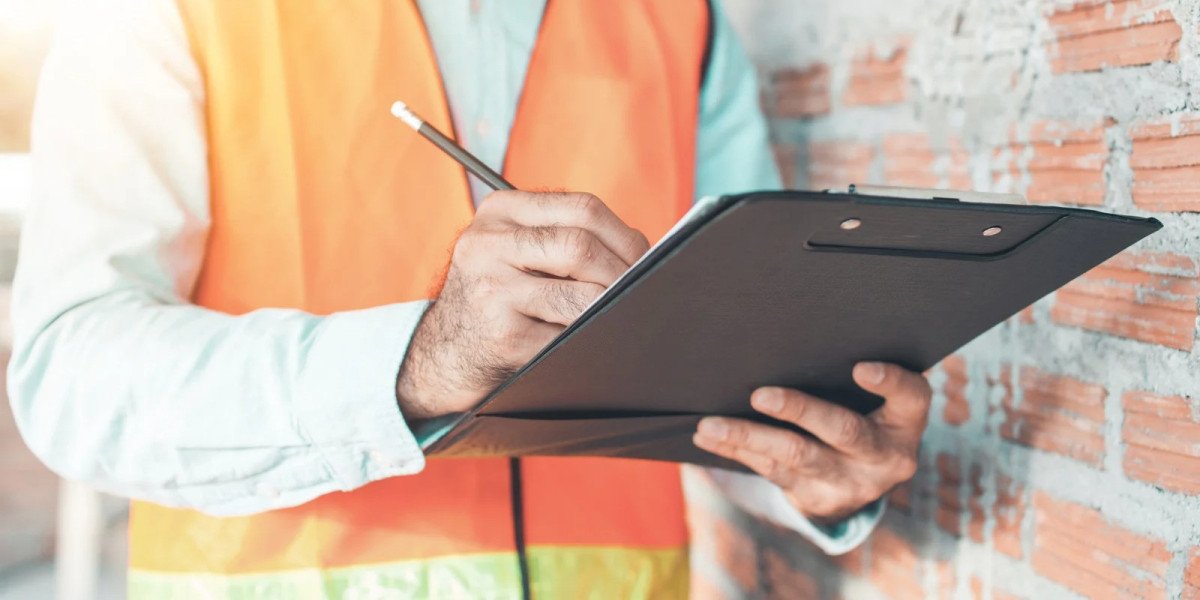

Construction safety plays a vital role in protecting workers, equipment, and project timelines across every jobsite. When crews follow clear rules and understand the risks around them, accidents drop and productivity rises. Safe worksites help companies avoid delays, costly repairs, and legal trouble often caused by preventable mistakes. Strong safety practices also build trust because workers feel more confident when they know systems are in place to keep them secure.
Whether it's inspecting equipment, identifying hidden hazards, or guiding teams through proper procedures, safety remains the backbone of successful construction projects. With the right approach, every step becomes safer and more efficient for everyone involved.
What Does a Construction Safety Inspector Do?
Inspectors act like the site’s early warning system because they identify hazards before they grow into major problems. They watch work zones, study plans, and discuss concerns with supervisors to make sure every task supports construction safety from the ground up. Their presence helps reduce confusion, delays, and preventable injuries.
They also prepare inspection notes, speak with project leaders, and guide workers when unsafe behavior appears. These steps help teams stay productive while following required standards. Many inspectors handle multiple sites at once, which means strong organization and daily communication with different contractors.
Primary Responsibilities in U.S. Construction Safety
Typical duties include site walkthroughs, identifying unsafe conditions, reviewing project drawings, advising workers, and completing clear reports. These habits help teams adjust quickly when something threatens efficiency or safety.
Why Construction Safety Inspectors Are Essential in Today’s Industry
Growing project sizes and strict American building regulations make trained inspectors necessary on almost every jobsite. Their presence helps companies avoid shutdowns that cost thousands of dollars each day. Most supervisors rely on inspectors to track patterns that could lead to long-term safety issues.
They also support insurance requirements because documented improvements help firms reduce claims. Safer worksites attract stronger talent, encourage better teamwork, and keep project progress steady. Many companies now view inspectors as partners instead of rule enforcers.
How Construction Safety Protects Workers and Reduces Liability
Careful oversight prevents small risks from turning into costly accidents. When inspections remain consistent, companies reduce legal exposure and create a work environment that feels more stable.
Core Skills You Need to Become a Construction Safety Inspector
Successful inspectors build a mix of technical and communication skills that help them stay effective in unpredictable situations. They learn to read drawings, understand materials, identify hazards, and respond calmly when issues appear. This knowledge helps them explain problems in clear language anyone can follow.
They also stay flexible because sites change quickly. Good inspectors observe tiny details and predict risks before trouble reaches the crew. Over time these skills support confidence, smoother conversations, and better decisions during fast-paced projects.
Technical and Soft Skills Required for Construction Safety Careers
Important skills include hazard analysis, clear speaking, accurate note-taking, conflict resolution, and strong awareness. These abilities help inspectors guide teams without creating unnecessary pressure.
Education Requirements to Start a Career in Construction Safety
Most inspectors begin with a high school diploma, although many choose community colleges, trade programs, or university degrees. These programs help new learners understand codes, jobsite behavior, and essential field tasks. Knowledge gained here forms the foundation for more advanced training and certification.
Students who want a stronger edge explore degrees in construction, engineering, or occupational health. These fields teach problem-solving, inspection methods, and the reasoning behind safety rules. Combining this education with practical site experience creates a clear entry pathway.
U.S. Degrees and Academic Paths for Future Inspectors
Common options include associate degrees in construction, bachelor’s degrees in engineering, and certificate programs in safety. Each offers skills you’ll use daily.
Certifications & Licensing for Construction Safety Inspectors
Certifications help you stand out and build trust with employers who prioritize dependable inspections. Many inspectors begin with OSHA courses because they introduce the essential rules that shape work on U.S. sites. More advanced learners pursue CHST or state licenses as they gain experience.
Some inspectors add optional credentials such as ICC or NICET to strengthen their resumes. These programs teach specialized field knowledge that can help you qualify for larger jobs or government roles that expect high-level inspection accuracy.
Top U.S. Certifications for Construction Safety Careers
Popular certifications include OSHA 30, CHST, and state inspection licenses. These help inspectors show clear competence from day one.
Training Pathways: Courses, Apprenticeships & Hands-On Learning
Many new inspectors learn through hands-on training because it helps them understand real site challenges. Apprenticeships through trade groups or contractors expose learners to complex environments and common hazards. Programs like OSHA 30 Online $25 build confidence through consistent practice and steady guidance from experienced mentors.
Online courses also offer a flexible path, especially for adults balancing work with training. Digital resources help learners study codes, inspection methods, and field communication skills. Combining coursework with actual site time creates a well-rounded skill set.
Practical Routes to Build Real-World Construction Safety Experience
Experience often begins with entry-level assistant roles or union apprenticeships. These settings offer daily learning opportunities that shape strong inspection habits.
A Day in the Life of a Construction Safety Inspector
Inspectors usually begin with document reviews, studying tasks planned for the day, and checking previous notes. After that, they walk through active areas, observe workers, inspect equipment, and record anything that needs immediate attention. These short routines create consistent awareness across different parts of the site.
As work continues, inspectors speak with managers, help crews correct risks, and complete detailed reports. These updates help teams stay aligned. When incidents occur, inspectors guide investigations and recommend changes that prevent similar problems in the future.
What Construction Safety Looks Like on a Typical U.S. Jobsite
Inspectors move between zones, discuss concerns with workers, and record observations that help crews understand what to adjust. Their steady guidance keeps work flowing safely.
Common Challenges New Inspectors Face (and How to Avoid Them)
New inspectors often feel overwhelmed by the pace of busy jobsites. Keeping strong checklists helps reduce confusion, especially when observing multiple tasks at once. Asking veteran inspectors for guidance helps new workers build confidence quickly and avoid early mistakes.
Some challenges involve disagreements with contractors who feel rushed by deadlines. Calm conversations, clear facts, and steady reasoning help inspectors reduce tension and improve cooperation. These habits build trust and improve project flow.
Obstacles in the Construction Safety Field
Challenges include fast schedule changes, evolving regulations, and harsh outdoor conditions. Staying organized helps inspectors adapt quickly.
Essential Tools & Technology Every Construction Safety Inspector Should Use
Inspectors rely on basic gear such as helmets, glasses, gloves, and strong boots. They also use tools like tape measures, digital cameras, and tablets to document concerns. These items help identify invisible risks and communicate issues quickly with project leaders.
Many inspectors now use drones, thermal cameras, and mobile apps because they make inspections faster and more precise. These tools help monitor tall structures, detect hidden problems, and create clear digital records for teams.
USA-Approved Construction Safety Tools and Software
Helpful tools include drones, borescopes, digital forms, PPE, and thermal sensors. These items support deeper understanding of site conditions.
Career Path & Growth Opportunities in Construction Safety
Career progression often starts with assistant or junior roles, then expands to senior inspector positions. Over time, inspectors can move into management, project oversight, or roles in large national companies that value reliable field experts. These steps open the door to higher pay and respected leadership roles.
Some inspectors choose specialized paths such as fire safety, environmental inspection, or industrial health. Others shift into consulting, helping multiple firms improve worksite performance. Opportunities grow as you build long-term experience.
Long-Term Opportunities in U.S. Construction Safety Careers
Growth paths include senior management, government roles, or private consulting. Each option offers new responsibilities and better income potential.
Tips to Succeed Faster as a Construction Safety Inspector
Success grows through consistent learning, steady communication, and clear observation habits. Reviewing codes often and watching experienced inspectors gives you insight into patterns that appear across many projects. Staying curious improves your ability to guide teams with practical, helpful advice.
Building relationships matters too. Join safety groups, attend workshops, and connect with industry leaders. Good networking teaches you new techniques and opens the door to new job opportunities nationwide.
Proven Strategies to Excel in Construction Safety
Strategies include using clear checklists, adopting digital tools, asking questions, and practicing steady communication. These actions strengthen your reputation.
Conclusion
A career in this field offers strong stability and meaningful work. Each inspection helps protect someone, prevent problems, and keep projects moving forward. With proper training and real-world practice, you can build a respected career that benefits both workers and companies.
Start small, stay dedicated, and embrace every learning opportunity. Over time, your influence will help shape safer job environments across the United States.
FAQ
1. What is the 20-20-20 rule in construction safety?
It reminds workers to pause every 20 minutes, look 20 feet around them, and stay alert for hazards before continuing their task.
2. What do you have to do to be a construction inspector?
You need a high school diploma, safety training, certifications like OSHA, and hands-on experience with construction sites and building rules.
3. Which course is best for construction safety?
OSHA 30 is the most recommended, but CHST, NEBOSH, and other accredited safety programs also offer strong training options.
4. What is the work of a safety inspector?
A safety inspector checks worksites for hazards, reviews procedures, trains workers, and ensures everyone follows required safety standards.
5. What are the 5 steps of safety?
The five steps are: identify hazards, assess risks, control risks, communicate procedures, and review safety measures regularly.