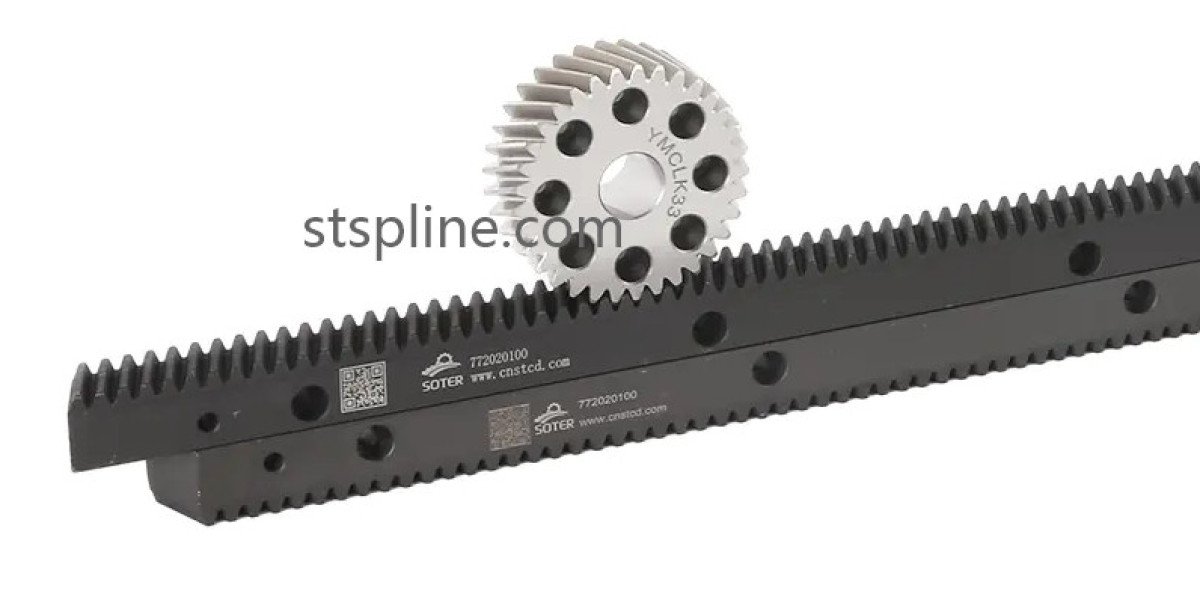

Metal transmission components are widely used in industrial machinery because they can combine structural strength with controlled machining characteristics. In a Metal Rack And Pinion system, the rack provides a linear tooth path while the rotating pinion transfers motor torque into linear movement. The effectiveness of this arrangement depends on the selected material, tooth geometry, machining process, surface condition, and installation accuracy.
Material selection should be based on the actual working environment and mechanical requirements. Steel is commonly used for industrial rack and pinion components because it offers a useful combination of strength, toughness, machinability, and resistance to repeated mechanical contact. Different grades can provide different characteristics, so the material should be selected together with the planned machining and treatment processes.
The rack and pinion must operate as a compatible pair. The pinion rotates against the rack teeth, and their interaction determines how effectively rotary movement is transferred into linear displacement. Tooth pitch, profile, spacing, and surface condition all contribute to this relationship. Consistent geometry helps maintain stable engagement as the pinion moves along the rack.
Machining technology has a direct influence on these characteristics. Milling and other controlled manufacturing processes can establish the required tooth profile while maintaining important reference dimensions. The rack's mounting surfaces also need to be controlled because they determine its position within the machine. A precisely formed tooth profile cannot compensate for poor installation or inaccurate positioning.
Surface treatment may be used to modify the working characteristics of metal components. Depending on the material and application, heat treatment can increase surface hardness and improve resistance to repeated contact. However, treatment should be controlled carefully because dimensional changes may affect the final fit. Maintaining an appropriate balance between hardness, toughness, and dimensional stability is important for industrial transmission components.
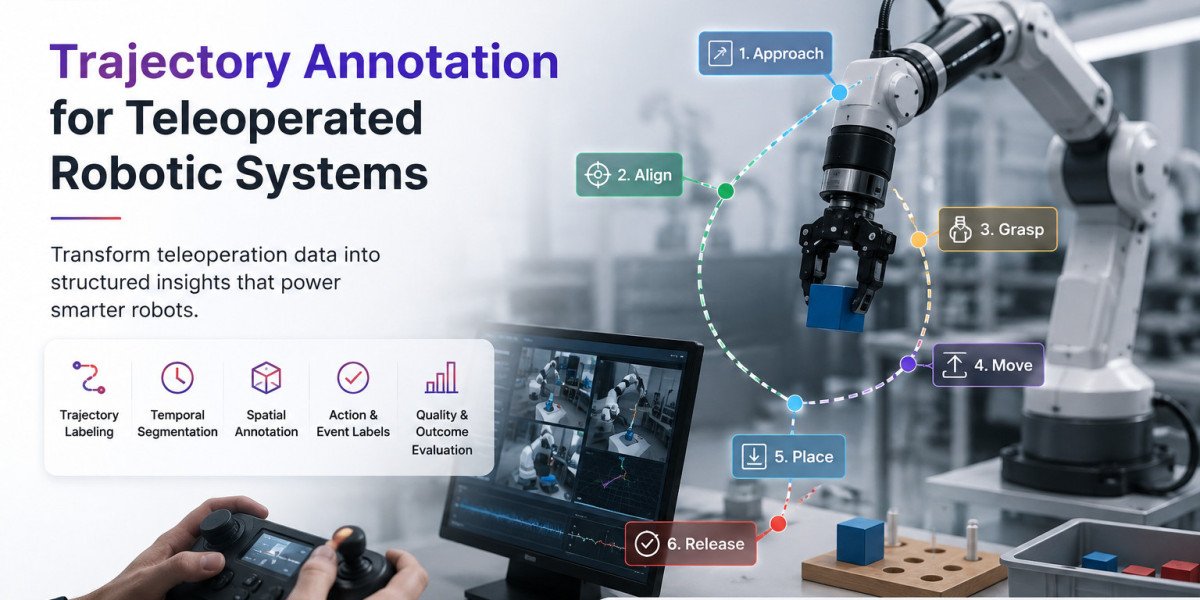
CNC equipment is one of the major application areas for rack-and-pinion transmission. Gantry structures can use racks to support movement along extended axes, while the pinion is connected to an appropriate drive system. Similar mechanical arrangements may be used in laser processing equipment, industrial robots, automated handling machinery, and production lines where linear movement is required.
The supporting structure plays an important role in transferring mechanical forces. When the pinion drives against the rack, the resulting force must be absorbed by the machine frame and guide system. Mounting surfaces, fastening points, linear guides, and structural rigidity should therefore be considered together. A stable installation helps maintain the intended relationship between the rack and pinion.
Longer machine axes may require multiple rack sections. Connecting several sections requires careful control of the transition points. If tooth positions are inconsistent at a joint, the pinion may encounter a change in engagement while moving between sections. Accurate manufacturing and careful installation help maintain continuity across the complete travel path.
The operating environment can influence material and maintenance decisions. Machinery used for metal processing may produce chips and particles that can reach mechanical transmission areas. Other industrial environments may involve dust, moisture, or temperature variation. Appropriate protection and maintenance procedures can help reduce the influence of these conditions on the rack and pinion.
Inspection is an important part of the manufacturing process. Critical areas may include tooth dimensions, pitch, reference surfaces, overall dimensions, and surface condition. Consistent inspection helps identify process variation and supports repeatable production. For equipment manufacturers purchasing multiple components, manufacturing consistency can simplify assembly and replacement planning.
Customization capability can also be useful for industrial applications. Machine frames and movement paths are not always standardized, and a rack may need a specific length, mounting configuration, or other design characteristic. Suppliers able to work from technical drawings or samples can adapt manufacturing processes to particular equipment requirements while maintaining control over the essential transmission features.
From a technology perspective, the performance of a metal rack-and-pinion system is the result of several interconnected manufacturing decisions. Material properties establish the mechanical foundation, machining creates the working geometry, surface treatment influences contact characteristics, and installation determines how the components interact in the machine.
For manufacturers developing CNC machinery, automation systems, robotic equipment, and other industrial motion platforms, Metal Rack And Pinion components provide a practical approach to rotary-to-linear transmission. SOTER supplies rack and transmission products for industrial equipment, with related solutions available at https://www.stspline.com/product/straight-teeth-rack/.