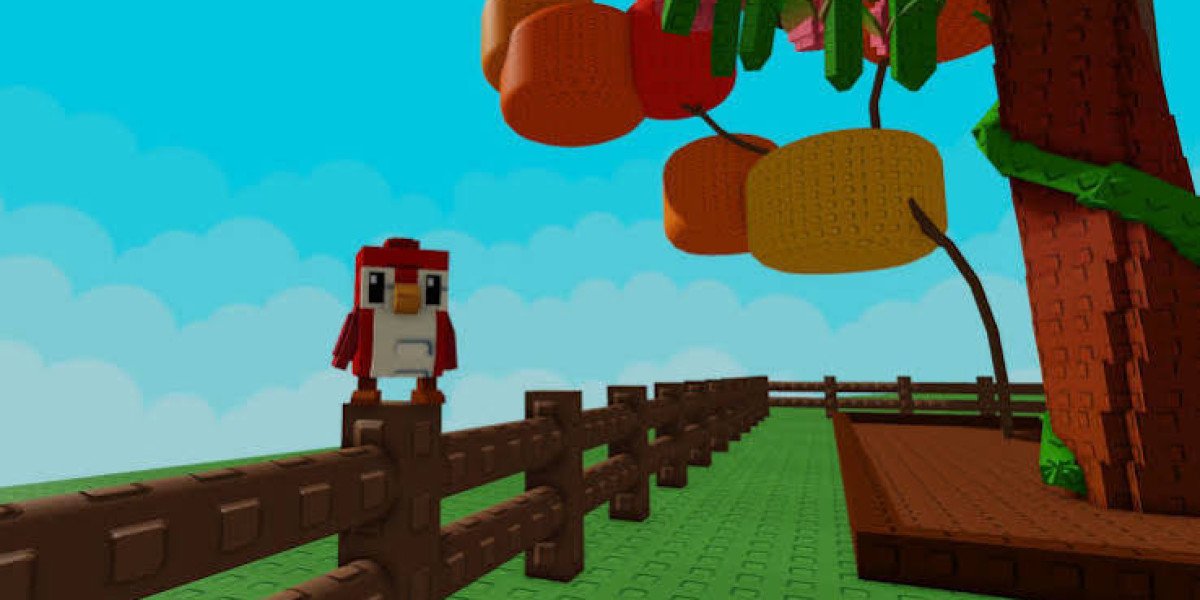

In GAG 2, Phoenix builds offer an interesting way to turn crop size into long-term garden progress. Instead of manually replacing every plant, players can let the Phoenix repeatedly cycle through smaller mature crops and give them fresh size rolls. For players building around GAG 2 Pets, this makes the Phoenix especially useful when the goal is to produce one or more exceptionally heavy crops rather than simply fill the garden with average harvests.
The main attraction of GAG 2 Pets in this setup is the Phoenix's passive ability. It looks for the smallest fully grown plant in your garden, burns it down, and replants it at a random new size. Sometimes the result is disappointing, but sometimes the new crop can be significantly heavier. With the right garden layout, this creates a steady stream of opportunities to improve your crop weights while protecting your best plants.
Why Crop Size Matters
A Phoenix build makes the most sense when crop weight has a direct effect on your guild performance. Guild competitions can reward individual heavy harvests, so one enormous crop may contribute more than a garden full of ordinary ones.
This changes the way you should approach planting. Instead of treating every plot as an independent source of quick income, you can view the entire garden as a system designed to create increasingly large crops.
The Phoenix is particularly useful because it handles part of this process automatically. You do not have to watch every plot and manually replace every weak result. The pet naturally focuses on the smallest mature plant.
Choose Strong Crops First
The foundation of the strategy is choosing crops with strong weight potential. Bamboo, Pineapples, and Atlantic Giant Pumpkins are good examples of the type of crops that fit this approach.
There is little value in having the Phoenix repeatedly reroll cheap starter crops if your real objective is a high guild score. The pet keeps the basic crop type when it replants, so beginning with a worthwhile crop gives every reroll a better purpose.
A garden filled with high-potential plants also makes the Phoenix's targeting behavior more useful. When one crop becomes exceptionally large, it is unlikely to remain the smallest mature plant, allowing the pet to concentrate on weaker crops.
Let the Phoenix Protect Your Giants
One of the most useful parts of the Phoenix mechanic is its preference for the smallest fully grown plant. This gives players a natural way to protect successful rolls.
Suppose you have several mature crops and one suddenly becomes much heavier than the others. As long as smaller mature plants remain available, the Phoenix will focus elsewhere. You can therefore leave your best crop in place instead of worrying that every activation will reset your progress.
Poor rolls can still be harvested or replaced manually when necessary. The important thing is to avoid disturbing exceptional crops just to create another opportunity. Once a plant becomes a standout giant, keeping it in the garden is usually more valuable.
Increase the Number of Attempts
Phoenix builds become stronger when the pet can activate more frequently. Leveling the Phoenix can reduce its base activation interval, giving you more rerolls during a long farming session.
The Rainbow variant can provide another small advantage by reducing the activation interval by an additional 5%. That may not feel dramatic during a short session, but the extra activations become more meaningful when you leave the garden running for an extended period.
This strategy is ultimately based on probability. You cannot force every reroll to become a giant, but increasing the number of attempts gives you more chances to find an exceptional result.
Support the Build
The Phoenix does not need to handle everything by itself. Secondary pets such as the Unicorn or Firefly can complement the setup, while Legendary or Super Sprinklers can provide additional growth and mutation support.
The goal is to create conditions where every new Phoenix growth has strong potential. Supporting effects should therefore be selected based on whether they improve growth, mutations, or overall crop quality.
There is no need to make the build unnecessarily complicated. The Phoenix remains the core of the strategy, while other pets and equipment simply help improve the quality of its repeated attempts.
Guild Progress Through Patience
The biggest mistake with this strategy is expecting immediate results. A random size reroll can easily produce a smaller crop, and several disappointing activations may happen before you see a major improvement.
That is normal for the build. The Phoenix works best over time because each activation represents another opportunity. As weak crops are recycled, your strongest plants can remain untouched, gradually turning the garden into a collection of heavier harvests.
For players looking for cheap GAG 2 Pets, the key is still understanding how the pet will actually fit into the garden rather than simply choosing the most expensive option. A well-organized Phoenix setup can make a bigger difference than a collection of powerful pets used without a clear purpose.
Final Thoughts
A Phoenix build is a good choice for players who enjoy gradual optimization and want their garden to contribute more effectively to guild competitions. Start with high-weight crops, preserve exceptional rolls, improve Phoenix activation speed, and add growth-supporting pets or sprinklers when they make sense. The strategy takes patience, but repeated rerolls can eventually turn ordinary plots into a source of very large crops.











