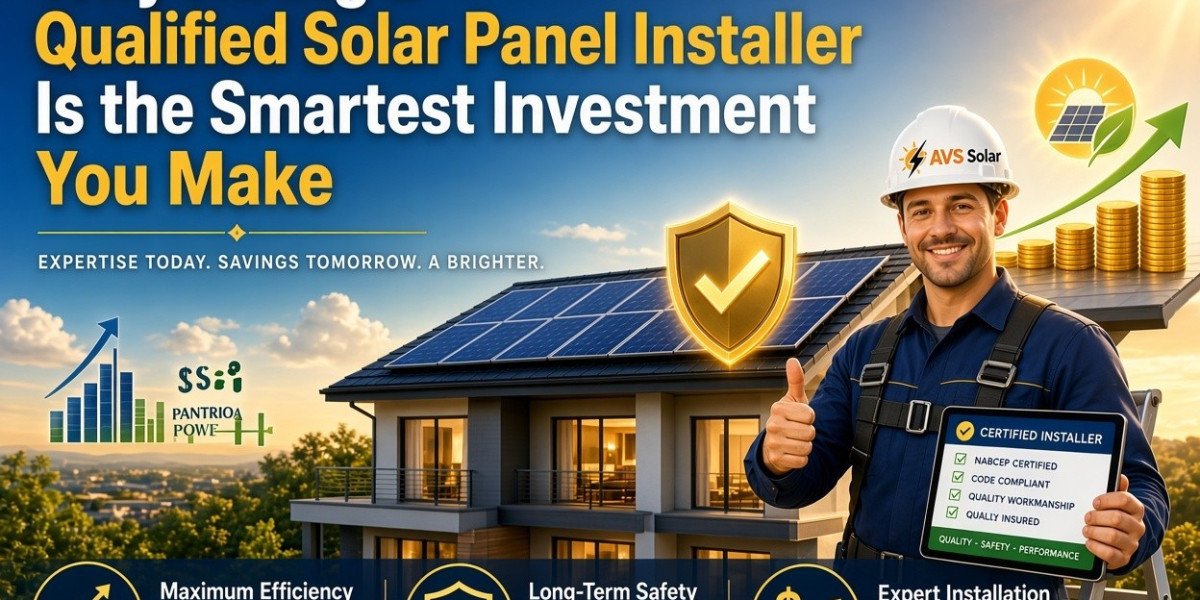

Why hire a qualified solar panel installer? A qualified installer designs your system for your roof and energy use, installs it safely to Australian standards, and keeps your warranties and rebate eligibility valid. Poor installation can cut energy output, cause faults or fire risks, and void warranties, which wipes out the savings solar is meant to deliver.
The Cheapest Quote Can Become the Most Expensive Decision
Imagine two households install the same size solar system in the same suburb. Both paid for panels that should last 25 years or more. Five years later, one is enjoying near-zero power bills. The other is on the phone chasing a company that no longer exists, trying to find out why the system keeps tripping off.
The panels were the same. The installer was not.
Solar is a long-term investment, and its payoff depends heavily on how well the system is designed and installed. Solar installers across the industry are also adapting to fast-changing technology, from smarter inverters to battery-ready systems, so experience matters more than ever.
What a Qualified Installer Actually Does
Many people assume installation means bolting panels to a roof. In reality, a qualified installer does much more.
1. Designs the system around your home. They assess roof angle, shading, orientation, switchboard capacity and your daily energy use. A system sized too small leaves savings on the table. One sized badly for your usage can mean exporting power for low feed-in rates while still buying expensive power at night.
2. Installs to Australian standards. Solar involves high-voltage DC electricity on your roof. Correct wiring, isolators, earthing and roof fixings are safety essentials, not extras.
3. Uses quality components. Reputable installers choose tested panels and inverters backed by manufacturers with a local presence, so you aren't left stranded if something fails.
4. Handles paperwork and compliance. This includes grid connection approval and the documentation needed to claim government incentives such as Small-scale Technology Certificates (STCs). In Australia, accredited installers are generally required for eligible systems to access these rebates.
5. Backs their work. A good installer offers a workmanship warranty and is still around to honour it.
The Long-Term Savings Case
Here is why qualified installation pays for itself.
Better performance means bigger bill reductions
A well-designed, correctly installed system produces what it was designed to produce, year after year. Common installation errors, such as poor panel placement, avoidable shading, undersized cabling or a mismatched inverter, quietly reduce output. Even a modest drop in production adds up over 20 to 25 years of ownership.
Fewer repairs, fewer surprises
Faulty workmanship tends to show up as nuisance faults, water leaks around roof penetrations, loose connections and early inverter failures. Each call-out costs money, and some problems damage your roof or switchboard.
Warranties that actually work
Manufacturer warranties often depend on correct installation. If an unqualified installer cuts corners, a manufacturer can decline a claim, leaving you to cover the repair yourself.
Higher confidence at resale
A properly documented, compliant system is an asset when you sell. A poorly installed one can raise questions during building and pre-purchase inspections.
A quick comparison
Qualified installer | Unqualified installer | |
System design | Tailored to your roof and usage | Generic or guesswork |
Safety & compliance | Meets Australian standards | Risk of breaches and hazards |
Rebate eligibility | Supported | May be at risk |
Warranty | Honoured and documented | Often void or unenforceable |
Long-term output | Consistent | Often reduced |
Support | Local, accountable | Often hard to reach |
The Real Risks of Cutting Corners
Hiring an unqualified installer can lead to:
- Safety hazards, including electrical faults and, in serious cases, fire risk from poor DC wiring or connections.
- Voided warranties on panels, inverters or your roof.
- Lost rebates if the system doesn't meet eligibility requirements.
- Insurance complications if your insurer questions the work.
- Expensive re-installation, because fixing bad work often costs more than doing it right the first time.
Illustrative scenarios
These are typical examples of problems the industry sees, not individual customer cases.
- The shaded array: An installer places panels on the roof section that is easiest to reach, not the one with the best sun. The homeowner loses production for decades, and moving the panels later means paying for installation twice.
- The disappearing company: A low-priced provider closes within two years. The homeowner discovers the inverter has a fault and there is no one to honour the workmanship warranty.
- The leaking roof: Poorly sealed roof fixings lead to water damage. The repair costs more than the savings from the cheaper quote.
How to Choose a Qualified Solar Installer
Before signing anything, ask:
- Are you accredited, and can I verify it? (Look for Clean Energy Council accreditation.)
- Will you design the system around my actual energy use?
- Which panel and inverter brands do you use, and what warranties apply?
- What workmanship warranty do you provide, and for how long?
- How long have you been operating locally?
- Can you show reviews or completed local projects?
- Is the quote itemised, including rebates and grid connection?
If an installer pressures you to sign quickly or is vague about these answers, treat it as a red flag.
Invest in Installation You Can Trust
Solar should lower your bills, protect the environment and give you confidence for decades. The best way to get all three is to start with the right installer.
At AVS Solar, we design and install systems built around your home and your goals, with transparent quotes and support long after the last panel goes up.
Get your free solar quote from AVS Solar today and find out what a properly designed system could save you.
FAQs
Is it worth paying more for a qualified solar installer? Usually, yes. Better design, safe installation, valid warranties and rebate eligibility typically outweigh a lower upfront price over the life of the system.
How do I know if a solar installer is qualified? Check for Clean Energy Council accreditation, ask for licence details, and confirm warranty terms in writing.
Can poor installation void my solar warranty? Yes. Many manufacturers require installation by qualified professionals, and faulty workmanship can lead to declined claims.
Does installer quality affect how much I save? Yes. Panel placement, system sizing, wiring and inverter matching all influence how much power your system produces.
What happens if my installer goes out of business? Workmanship warranties may become difficult or impossible to claim, which is why a well-established local installer matters.