
Radio advertising remains one of the most effective ways for local businesses to reach customers in their own community, yet it's frequently the first channel businesses overlook when building a marketing plan.
Many decision-makers immediately turn to influencer marketing instead, drawn in by its modern reputation and the perceived intimacy of a creator's relationship with their followers. This shift in preference isn't without reason, since influencer marketing offers real advantages, but it also means radio advertising rarely gets a fair comparison before businesses commit their budget elsewhere.
Radio station advertising has evolved over the past decade, and today's radio campaigns come with far more sophisticated targeting, tracking, and measurement capabilities than most business owners realize.
This article puts radio advertising side by side with influencer marketing to give local business owners a clear, practical basis for comparison. Rather than treating the two as competitors that can't coexist, this comparison is meant to highlight where each channel genuinely excels, so a business can make an informed decision, or better yet, understand how the two can work together.
What Is Radio Advertising and Why It Still Matters
Radio advertising is the practice of paying to air a commercial message on a radio station. Businesses buy time slots, known as spots, during which their ad plays to the station's listeners.
These spots can run for fifteen seconds, thirty seconds, or a full minute, depending on the format and budget. The message might be a scripted commercial, a live read from a host, or a sponsorship mention tied to a specific show.
Radio Station Advertising Defined
Radio station advertising works because it places a business directly inside the daily routine of a local audience. People hear these ads while driving to work, cooking dinner, or working at a desk. The station picks the audience through its format, and the advertiser picks the time slot that fits their goals.
Why Radio is Seen As Outdated
Many business owners assume radio has lost its relevance. This idea usually comes from a few outdated impressions of the medium. A sporting goods store might buy time on a sports talk station. A restaurant might sponsor a morning show. Each choice puts the message in front of people who are already listening for a reason connected to that business.
The cheap jingle assumption
Some people still picture radio ads as low budget jingles with no real strategy behind them. This view comes from decades of hearing simple, repetitive local spots without knowing what happens behind the scenes today.
The younger audience myth
Others assume that younger listeners have abandoned radio entirely for streaming platforms. In reality, a large share of younger adults still tune into AM/FM radio each week, often through their car or a connected device.
The outdated data problem
A few business owners have simply not seen current listening figures. Their impression of radio is based on old assumptions rather than the reach numbers reported today.
None of these impressions hold up against current listening habits. Radio still reaches a large share of adults every week, across nearly every age group. The format has changed in style, but the audience has not disappeared.
Modern Tracking and Targeting Capabilities
Radio advertising stations can now report detailed listener data, including age range, household income, and location. Advertisers can also track results using promo codes, dedicated phone numbers, or unique landing pages tied to a specific ad.
This data lets a business match its ad to the right time slot and the right station format. It also gives advertisers a way to measure response instead of guessing at impact. A local bakery can know exactly how many customers mentioned a radio promo code at checkout. A car dealership can track how many calls came in during the week its ad ran on the morning commute.
Radio advertising has kept pace with the expectations of modern marketing. The format still delivers a message through sound and voice, but the strategy behind it now runs on real data.
How Radio Advertising Delivers Targeted Local Reach
Radio advertising gives local businesses a direct line to the exact community they serve. Unlike a national campaign that spreads a message across a wide, disconnected audience, a local radio buy speaks to the people who actually live near the business. This makes radio advertising one of the most efficient ways to reach potential customers without wasting budget on listeners outside the service area.
Geographic Targeting
Radio station advertising works within a defined broadcast range. A station's signal reaches a specific city, region, or cluster of towns, so every ad that airs lands inside that geographic footprint. This removes the guesswork that comes with broader digital campaigns.
A business advertising on a local station knows its message is reaching the community it operates in. There is no need to filter out irrelevant impressions from other cities or provinces. The station has already done that work through its physical signal range.
Demographic Targeting
Radio stations build their programming around specific audience types. This format-based targeting gives advertisers a second layer of precision beyond geography alone.
Station format
A sports station, a country music station, and a talk radio station each attract a different type of listener. A business can choose the format that matches its target customer instead of broadcasting to a general, mixed audience.
Time of day
Morning and evening drive times reach commuters, while daytime slots often reach people at home or at work. A business can choose the daypart that lines up with when its ideal customer is most likely to be listening.
Specific show placement
Some advertisers go a step further and place their ad within a specific show tied to their industry. A fitness brand advertising during a health and wellness segment reaches listeners already primed for that type of message.
Comparison to Influencer Audience Targeting
Influencer marketing also targets a defined audience, but it does so through interest and content style rather than geography. A follower base built around beauty, fitness, or lifestyle content can span multiple cities, provinces, or even countries.
This creates a gap for local businesses. A makeup influencer's audience might love the content, but only a fraction of those followers live close enough to visit a physical store. Radio advertising avoids this gap entirely, since the audience is already local by design.
Radio advertising and influencer marketing both offer a form of targeting, but they solve different problems. Influencer marketing narrows an audience by interest. Radio station advertising narrows an audience by both interest and location at the same time.
Creative Control and Integration with Digital Marketing
Radio advertising gives a business full control over how its message gets delivered. The script, tone, and pacing all come from the business itself, or from the creative team it works with. This level of control is one of the clearest differences between radio advertising and influencer marketing.
Messaging Control vs Influencer-created Content
When a business hires an influencer, it hands over a piece of its brand voice to someone else. The influencer decides how to phrase the message, which parts to emphasize, and how the content fits their usual style. This can work well, but it also means the final product is filtered through another person's judgment.
Radio advertising
A business can write the script, choose the voice talent, and decide exactly which details get highlighted. This matters most for businesses with specific offers, legal disclaimers, or brand language that needs to stay consistent every time the ad airs.
Script ownership
The business decides what gets said, in what order, and with what tone. No third party reinterprets anything before it reaches the listener.
Consistent delivery
Once a script is approved, it plays the same way every time the ad airs. This removes the variation that can happen when a creator delivers a message in their own words each time.
Brand alignment
A business can match the ad's language directly to its existing marketing materials. This keeps the message consistent across every channel the business uses.
Radio Advertising As Part of A Wider Digital Strategy
Radio advertising does not have to work alone. Many businesses use it alongside social media, email campaigns, and other digital efforts to reinforce the same message across multiple touchpoints.
A radio ad can direct listeners to a website, a social media page, or a specific online promotion. This turns a single radio spot into the starting point for a longer customer journey rather than a one-time message. Listeners who hear an ad in the car might search for the business later that day or check its social media page that evening.
How to Choose the Right Radio Advertising Partner for Your Business
Picking the right partner matters as much as the ad itself. A strong radio advertising campaign depends on the station's reach, the team behind the creative work, and the data available to track results. Business owners should weigh a few key factors before signing on with any radio station advertising provider.
What to Look For in A Radio Advertiser
Not every station or media group offers the same level of support. A good partner should bring more to the table than just airtime.
Local market presence
The partner should have a real footprint in the community the business wants to reach. A station with strong local listenership gives an ad a better chance of connecting with nearby customers.
Creative production support
Some businesses need help writing a script or producing a polished spot. A partner with an in-house creative team can turn a rough idea into a finished ad without requiring outside help.
Data and measurement tools
A reliable partner should offer some way to track results, whether through promo codes, call tracking, or listener reports. Without this, a business is left guessing at whether the campaign worked.
Flexible packages across formats
Different stations reach different audiences through news, sports, agriculture, talk, and music programming. A partner with multiple stations gives a business more options to match its target audience.
Turning Local Trust Into Measurable Growth With Harvard Media
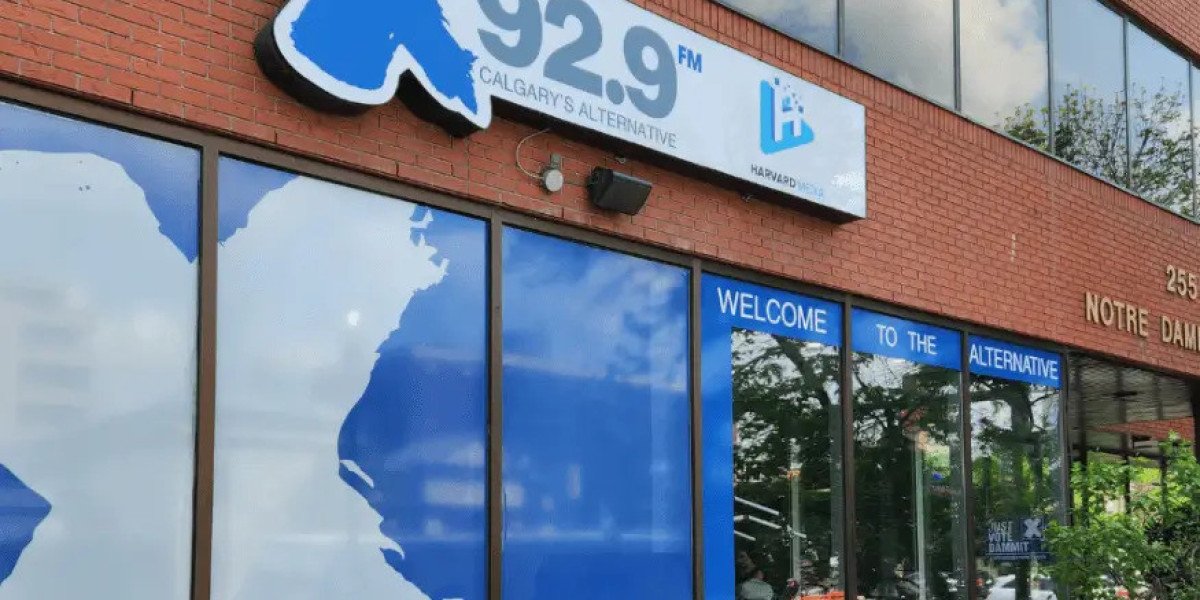
Harvard Media works with local businesses across Western Canada, including Calgary, Edmonton, Red Deer, Regina, Saskatoon, Yorkton, and Fort McMurray. Businesses in these markets can work with Harvard Media directly, with access to stations covering news, sports, agriculture and music (entertainment) programming across these markets.
The team handles the full process, from writing and producing a script to placing it on the right station and time slot. Businesses also get access to analytics that show how their campaign is performing, so the investment stays measurable rather than speculative.
Frequently Asked Questions
Is radio advertising still effective and worth it in 2026?
Yes. Radio advertising still reaches a large share of adults every week, and it continues to perform well for local businesses looking for measurable results. Listener numbers have stayed strong even with the growth of streaming platforms, since most people still listen to AM/FM radio during commutes and daily routines.
How do I write a radio ad script?
A strong radio ad script starts with one clear message and one specific call to action. Keep the script tight for the time slot, since a thirty-second spot only allows for about seventy-five to eighty-five words when read at a natural pace.
What is CPM and CPP in radio advertising?
CPM stands for cost per thousand impressions, and it measures how much an advertiser pays to reach one thousand listeners. CPP stands for cost per rating point, and it ties the cost of a campaign to a percentage of a specific target audience within a market rather than raw listener numbers.
What are the different types of radio ads?
There are three common formats used in radio station advertising. A produced spot is a fully scripted and edited commercial, often with music or sound effects, that airs the same way each time. A live read is delivered by a radio host in their own words, which can carry more personal trust with listeners. A sponsorship mention ties a business to a specific segment or show, giving it a brief, recurring presence tied to content listeners already tune in for.
How do I measure radio advertising ROI?
Measuring ROI starts with setting up tracking before the campaign airs, not after. Common methods include unique promo codes, dedicated phone numbers, and specific landing pages that only appear in the radio ad, along with monitoring changes in foot traffic, website visits, or sales during the campaign period.