
Why 3D Modeling Is Important in Construction
Construction projects involve many stakeholders, including architects, engineers, contractors, and clients. Each group must understand the design clearly in order to execute the project successfully.
However, 2D drawings often create confusion. While technical drawings provide measurements and layouts, they do not always represent the spatial relationships between components. Because of this limitation, mistakes may occur during construction.
3d modeling solves this problem by turning flat designs into detailed visual models. These models show every angle, structure, and material clearly. As a result, project teams can analyze designs more effectively and detect problems early.
For example, a building’s plumbing system may clash with structural beams in a traditional plan. A 3D model highlights this conflict immediately. Designers can then adjust the layout before construction begins, saving time and money.
Furthermore, visual models help clients understand the project better. Instead of interpreting complex drawings, they can see a realistic representation of the final building.
Many architecture firms now rely on 3D modelling Australia technologies to improve design communication and reduce project risks.
Early Design Visualization with 3D Modeling
One of the biggest advantages of 3d modeling is early visualization. During the design phase, architects can transform conceptual sketches into detailed digital environments.
This process allows stakeholders to review the design from multiple perspectives. They can explore interiors, analyze building proportions, and verify structural alignment.
Early visualization also helps detect design conflicts before construction begins. When problems appear during the planning stage, they are easier and cheaper to fix.
Additionally, developers can present models to investors or clients with confidence. A realistic model communicates the project vision far more effectively than flat drawings.
Because of these benefits, many businesses rely on 3D modelling services to enhance planning and design accuracy.
Improved Collaboration Between Project Teams
Construction projects require strong coordination among multiple professionals. Architects design the structure, engineers calculate loads, and contractors manage on-site execution. If communication fails between these groups, errors quickly appear.
3d modeling improves collaboration by providing a shared visual reference for everyone involved.
When all stakeholders work with the same model, they can review design elements together. Teams can examine mechanical systems, structural layouts, and electrical plans within a single environment.
For instance, engineers can verify structural stability while designers adjust aesthetic elements. Contractors can also study the model to understand construction requirements clearly.
This collaborative approach significantly reduces misunderstandings and misinterpretations.
As a result, many organizations now partner with a 3D modelling company in Australia to streamline communication across project teams.
Clash Detection and Error Prevention
One of the most powerful benefits of 3d modeling is clash detection. This process identifies conflicts between different building systems before construction begins.
In complex projects, mechanical systems, electrical wiring, and structural elements must coexist within limited space. Without careful planning, these systems may intersect or overlap.
Traditional drawings rarely reveal such issues clearly. However, a 3D model allows designers to inspect the entire structure in detail.
For example, a ventilation duct may interfere with a supporting beam. When designers detect this clash in the model, they can adjust the design immediately.
By resolving these issues early, project teams avoid expensive on-site corrections.
Many architectural studios offering 3D design and modelling Australia solutions specialize in advanced clash detection to improve construction accuracy.
Accurate Measurements and Material Planning
Construction errors often result from incorrect measurements or miscalculated materials. Inaccurate planning can lead to delays, budget overruns, and wasted resources.
3d modeling improves accuracy by providing precise dimensions and scalable digital environments. Designers can measure distances, test structural components, and verify proportions before construction starts.
Additionally, project managers can calculate material quantities directly from the model. This process improves budgeting and reduces unnecessary material waste.
Accurate models also help builders plan construction stages more effectively. When teams understand the exact structure beforehand, they can organize tasks and schedules efficiently.
Because of these advantages, many organizations choose 3D modelling for businesses to enhance project planning and reduce operational risks.
Client Communication and Decision Making
Construction projects often involve multiple revisions based on client feedback. When clients struggle to understand technical drawings, decision making becomes slow and complicated.
3d modeling simplifies communication by presenting realistic visuals of the project.
Clients can explore building layouts, room sizes, and exterior designs before construction begins. They can also request modifications early in the process.
As a result, architects and developers avoid late design changes that may disrupt construction schedules.
In competitive markets, businesses often collaborate with the Best 3D modelling company in Australia to create high-quality visual presentations for clients and investors.
Cost Reduction and Project Efficiency
Every construction mistake increases project costs. Rework, delays, and material waste can quickly inflate budgets.
By using 3d modeling, construction teams reduce these risks significantly.
First, early error detection prevents costly design revisions during construction. Second, accurate measurements improve material management. Third, better collaboration reduces delays caused by miscommunication.
Together, these advantages improve overall project efficiency.
Many developers now rely on Affordable 3D modelling services Australia to improve accuracy while maintaining cost efficiency.
Custom Solutions for Modern Construction Projects
Every construction project has unique requirements. Residential buildings, commercial complexes, and infrastructure projects all require different design approaches.
Modern 3d modeling technologies allow designers to create tailored digital solutions for each project.
These models can include structural components, interior layouts, and detailed building systems. Designers can also integrate advanced features such as animation, walkthroughs, and interactive visualizations.
Because of this flexibility, companies increasingly adopt Custom 3D modelling solutions to support complex construction projects.
Supporting Prototyping with 3D Print Models
Beyond visualization, digital models also support physical prototyping. Designers can convert digital files into tangible structures using modern fabrication technologies.
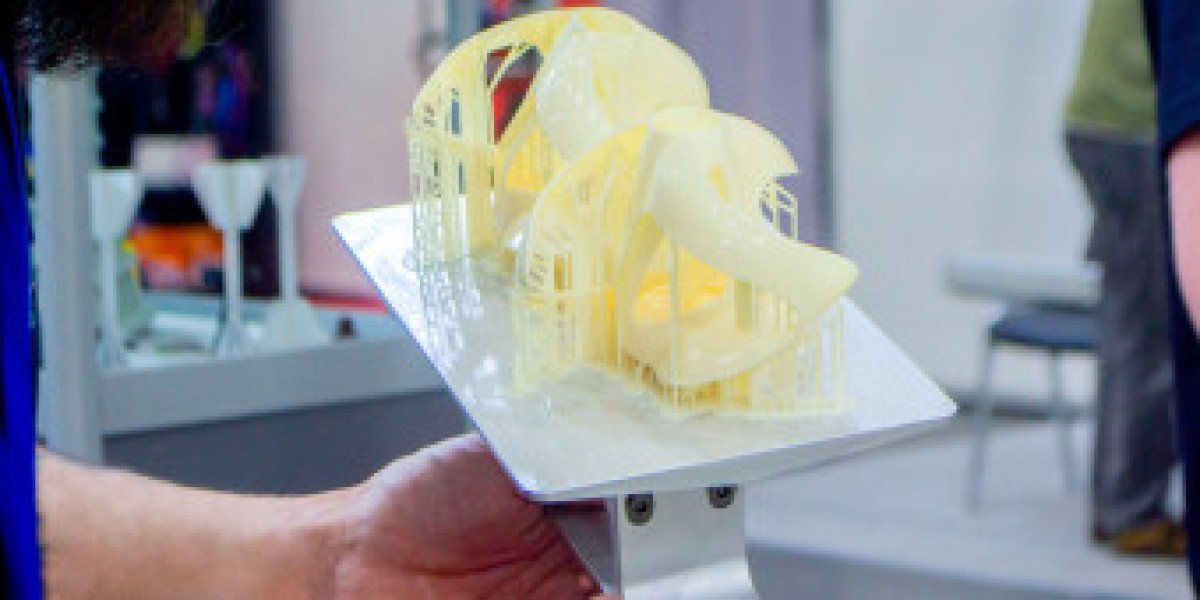
For example, architects sometimes produce scaled 3d print models to demonstrate building designs during presentations. These models help investors and stakeholders understand the project more clearly.
Physical prototypes also allow engineers to test design concepts and structural relationships before construction begins.
The Future of Construction with 3D Modeling
As technology advances, the role of 3d modeling in construction will continue to grow. Innovations such as virtual reality, augmented reality, and digital twins are transforming how buildings are designed and constructed.
These technologies allow stakeholders to experience projects in immersive digital environments. Teams can simulate construction processes, identify risks, and optimize designs before breaking ground.
In the future, construction companies will rely even more on digital modeling tools to improve efficiency, sustainability, and project accuracy.
Conclusion: Why 3D Modeling Is Essential for Reducing Construction Errors
Construction errors can cause serious financial losses, project delays, and safety risks. However, modern visualization tools offer powerful solutions to these challenges.
By using 3d modeling, architects and engineers can detect design conflicts early, improve collaboration, and plan projects with greater accuracy. Detailed models also enhance client communication and support better decision making.
From early design visualization to clash detection and material planning, 3d modeling plays a vital role in modern construction workflows. As the industry continues to evolve, digital modeling will remain a key technology for delivering efficient, accurate, and successful building projects.