When I first installed a pond aerator, I honestly thought it would be a simple plug and play solution. I had a small backyard pond that looked beautiful from a distance, but up close the water told a different story. Murky patches. Floating debris. Occasional algae blooms that appeared almost overnight. Like many beginners, I assumed cleaning the pond manually was enough. It was not.
That experience became the turning point in my pond care journey. Over time, through trial, mistakes, late night research sessions, and plenty of hands on experimentation, I discovered how powerful proper aeration really is. A pond aerator does far more than create bubbles or decorative fountains. It helps stabilize oxygen levels, improves water clarity, supports beneficial bacteria, and protects fish health.
In this guide, I will share the lessons I wish someone had explained to me earlier. These proven methods are practical, easy to apply, and effective even if you are working with a small budget or a beginner level setup.
Why a pond aerator Matters More Than Most People Think
At first glance, ponds look calm and self sustaining. Nature seems to handle everything. That illusion disappears once organic waste starts building up.
Leaves fall. Fish produce waste. Uneaten food settles. Over time, all this material sinks and begins decomposing. This process consumes oxygen.
Low oxygen levels are the silent problem in many ponds.
When oxygen drops, several issues begin appearing at once:
Fish become stressed or sluggish
Algae growth accelerates
Water turns cloudy
Odors develop
Beneficial bacteria decline
I learned this the hard way during my second summer maintaining my pond. One particularly hot week caused oxygen levels to crash. The water suddenly looked dull and lifeless. That was the moment I realized aeration is not optional. It is essential.
Think of a pond aerator like the lungs of your pond. Without airflow, everything slows down. With proper airflow, the entire ecosystem becomes more stable.
My First Mistake Choosing a pond aerator
When I bought my first aerator, I made a classic beginner error. I selected it based purely on price.
The unit looked great online. The description promised strong performance and easy installation. But once installed, the bubbles were weak and only covered a small section of the pond.
Within weeks, the algae returned.
What I eventually understood is that aeration is not about surface bubbles alone. The goal is water circulation from bottom to top. That circulation prevents stagnant zones where debris collects.
The lesson here is simple. Match the aerator to your pond size and depth.
A small aerator in a large pond works like a tiny fan in a warehouse. It moves air, but not enough to make a real difference.
Types of pond aerator Systems That Actually Work

Before upgrading my system, I spent weeks understanding different aeration styles. Each type solves a specific problem.
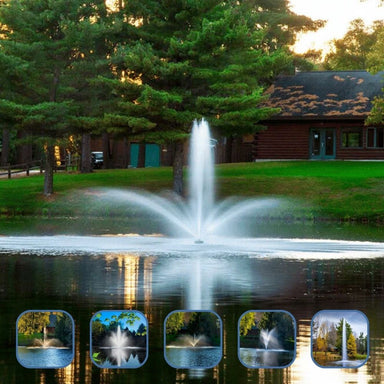
1. Surface Fountain Aerators
These are the most visually appealing options. They spray water upward, increasing oxygen exchange at the surface.
They are ideal for:
Decorative ponds
Medium depth ponds
Home landscapes
However, they do not always circulate deep water effectively.
2. Diffused Aeration Systems
This is the system that completely transformed my pond.
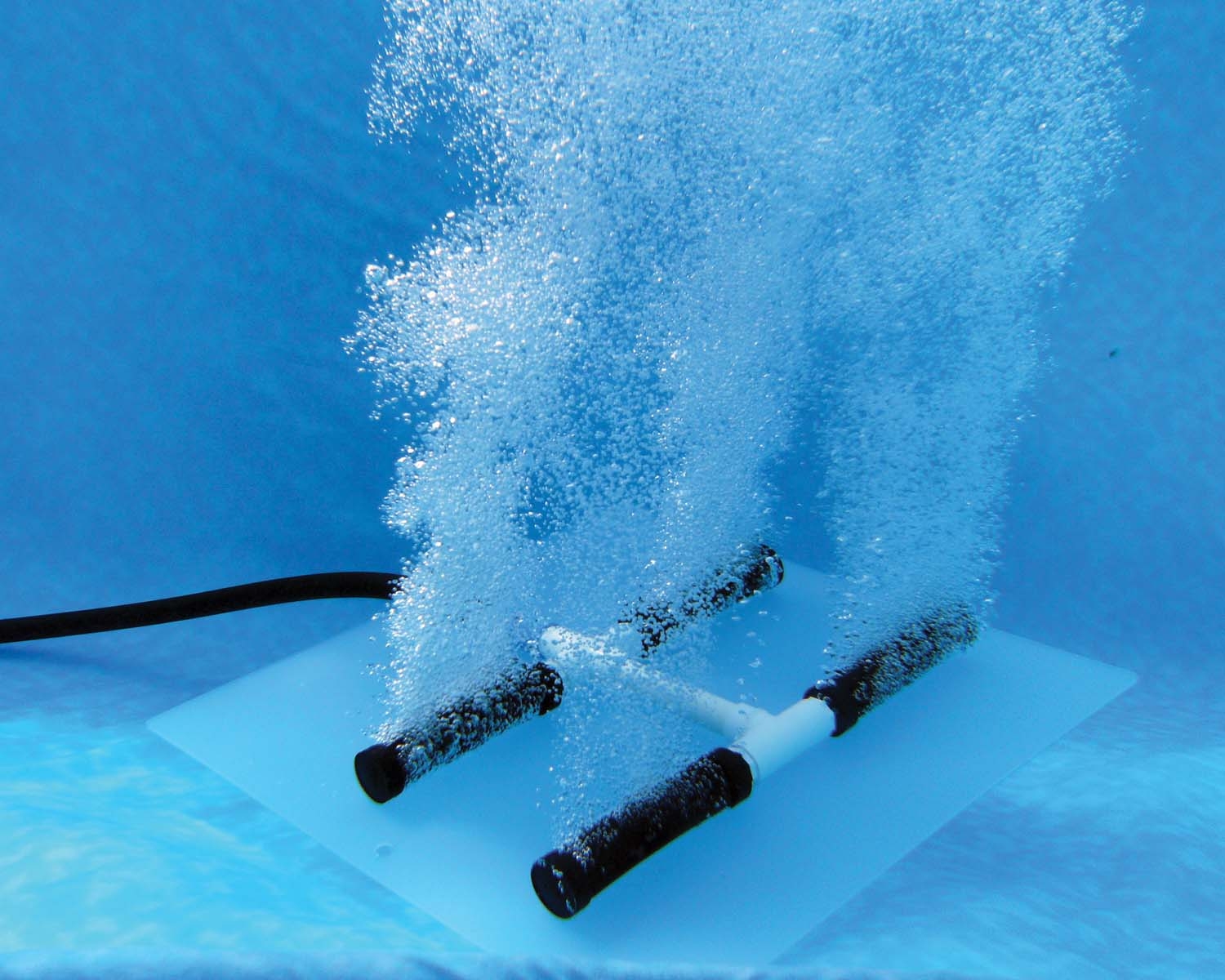
Diffusers sit at the bottom and release fine bubbles that rise slowly. As the bubbles move upward, they pull deep water toward the surface, creating full circulation.
This method works best for:
Deep ponds
Fish ponds
Large ponds
It dramatically reduces sludge buildup.
3. Subsurface Air Stone Aerators
These are common in smaller backyard ponds. They are affordable and easy to install.
While they are not as powerful as diffused systems, they are excellent for improving oxygen levels in compact spaces.
4. Solar Powered Aerators
Solar units are becoming increasingly popular. I tested one during a summer experiment to reduce electricity usage.
They work well in sunny climates but may require battery backup for nighttime aeration.
7 Proven pond aerator Tips That Actually Work
This section combines real experience with practical adjustments that produced noticeable improvements.
1. Position the Aerator at the Deepest Point
This one change alone improved my pond clarity within two weeks.
When placed at the deepest area, circulation becomes more efficient. Waste particles move upward instead of settling permanently.
If you are unsure where your deepest point is, use a weighted line to measure depth.
2. Run Aeration Longer Than You Think
Initially, I ran my aerator only during the day to save electricity.
That was a mistake.
Oxygen levels drop significantly at night because plants stop producing oxygen after sunset. Running the aerator overnight stabilized the ecosystem quickly.
Now I run mine continuously.
3. Clean Diffusers Regularly
Over time, mineral deposits and debris clog diffusers.
This reduces airflow.
I now clean mine every few months. The difference in bubble strength is immediate.
A simple vinegar soak often works perfectly.
4. Combine Aeration With Beneficial Bacteria
Aeration alone helps, but combining it with beneficial bacteria speeds up results dramatically.
These bacteria break down organic sludge faster when oxygen is available.
The combination creates a powerful natural cleaning process.
5. Adjust for Seasonal Changes
One lesson I learned after my first winter is that aeration should not remain static year round.
In summer, deeper circulation is helpful.
In winter, deep aeration can disturb warmer bottom water. Moving diffusers to shallower areas helps protect fish.
Seasonal adjustment makes a huge difference.
6. Avoid Overfeeding Fish
This tip surprised me.
Aeration improves water quality, but it cannot compensate for excessive waste.
When I reduced feeding slightly, water clarity improved almost immediately.
Think balance, not excess.
7. Upgrade Air Pump Quality
The air pump is the heart of the system.
After upgrading to a stronger pump, the improvement in circulation was dramatic. Strong airflow produces finer bubbles and better mixing.
This is one upgrade that truly pays off.
Signs Your pond aerator Is Working Properly
Many pond owners ask how to confirm their aeration system is effective.
Here are clear indicators:
Reduced algae growth
Clearer water
Active fish behavior
Less odor
Reduced sludge buildup
In my own pond, the first visible sign was fish becoming more energetic. They began swimming across the entire pond instead of staying near the surface.
That small behavioral change was incredibly satisfying.
Common pond aerator Mistakes Beginners Make
Looking back, I made nearly all of these mistakes.
Choosing Based Only on Price
Cheap systems often lack sufficient airflow.
Ignoring Pond Depth
Depth determines diffuser placement and pump strength.
Running Aeration Only Occasionally
Consistency matters more than short bursts.
Skipping Maintenance
Even the best equipment needs cleaning.
Every mistake taught me something valuable. The process felt frustrating at times, but it made me understand how pond ecosystems function.
How Aeration Improves Water Quality Naturally
One of the most fascinating parts of this journey has been seeing how aeration supports natural biological balance.
Oxygen fuels beneficial bacteria. These bacteria break down organic matter into harmless compounds. Without oxygen, decomposition becomes slow and produces unpleasant gases.
With proper aeration:
Sludge reduces naturally
Ammonia levels stabilize
Algae struggles to dominate
Water becomes clearer
It feels less like fighting nature and more like working with it.
I often compare this process to composting. When compost receives enough air, it breaks down efficiently. Without airflow, it turns messy and slow.
Ponds behave the same way.
My Personal Turning Point With pond aerator Results
There was a specific moment when everything clicked.
It happened early one morning while drinking coffee near the pond. The sunlight reflected off the water surface, and for the first time I could clearly see the bottom rocks across most areas.
That had never happened before.
The water looked balanced. Fish moved freely. No floating debris. No murky patches.
It took months of learning and adjusting, but the result felt incredibly rewarding.
Maintaining a pond stopped feeling like constant work and started feeling relaxing.
Choosing the Right pond aerator for Your Pond Size
Selecting the right system depends mainly on three factors:
Pond Surface Area
Larger ponds require higher airflow capacity.
Pond Depth
Deep ponds benefit most from diffused aeration.
Fish Population
More fish equals more oxygen demand.
If you are unsure, slightly oversizing the system is usually safer than undersizing it.
I once upgraded to a pump rated for a slightly larger pond than mine. The improvement was noticeable almost immediately.
Budget Friendly pond aerator Setup Tips
Not everyone wants to invest heavily right away. I certainly did not when I started.
Here are simple cost effective strategies:
Start with a small air stone system
Use solar aeration for supplemental airflow
Upgrade pumps gradually
Maintain equipment regularly to extend lifespan
Small improvements add up.
Over time, these incremental upgrades transformed my pond without requiring one large expense.
Long Term Benefits of Using a pond aerator
After several seasons of consistent aeration, the long term advantages become clear.
Less manual cleaning
Healthier fish
Clearer water year round
Reduced algae outbreaks
Balanced ecosystem stability
Perhaps the biggest benefit is peace of mind.
Instead of reacting to problems, you prevent them.
That shift completely changed how I approach pond maintenance.
Final Thoughts From My pond Journey
If someone had told me earlier how important aeration was, I would have saved countless hours of frustration.
A pond aerator is not just an accessory. It is the foundation of a healthy pond environment.
Every pond is slightly different, and there is always some experimentation involved. But once you understand how oxygen, circulation, and biological balance work together, everything becomes easier.
Even today, I still enjoy making small improvements and observing how the pond responds. It feels like a living system that evolves with each adjustment.