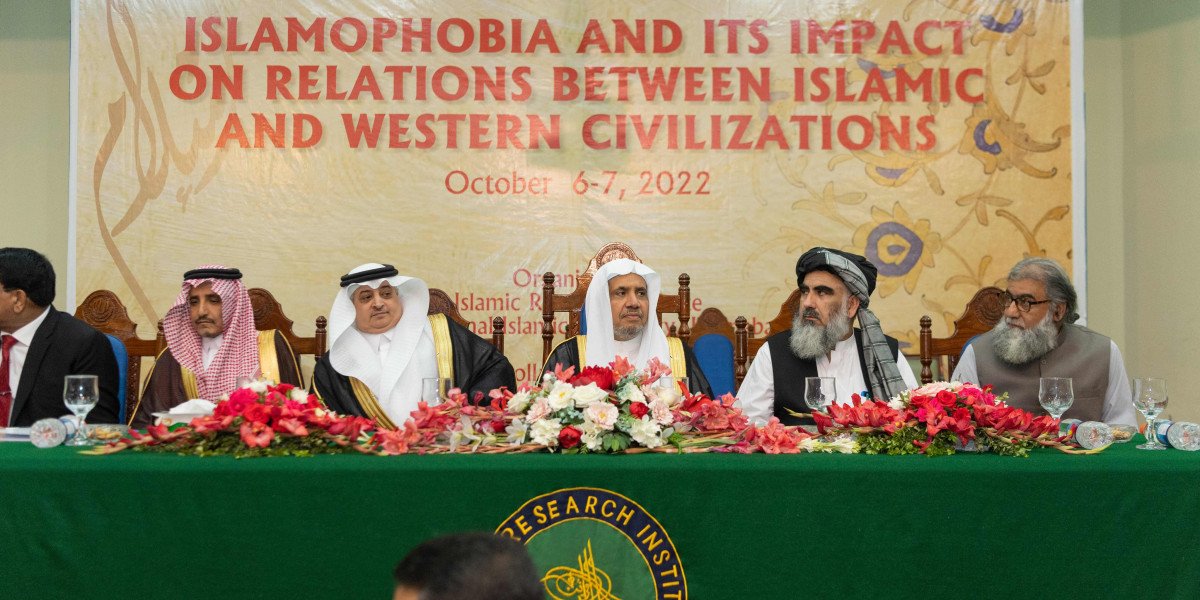

Religious Leader in Islam: Guidance, Scholarship, and Community Influence
A religious leader in Islam holds a significant role within Muslim communities, serving as a source of spiritual guidance, ethical direction, and scholarly interpretation. Islam, as a global faith followed by over a billion people, does not operate under a single centralized authority. Instead, leadership is rooted in scholarship, knowledge of the Qur’an, and adherence to prophetic traditions.
Understanding the structure of Islamic leadership requires exploring the various titles, responsibilities, and historical foundations associated with religious authority. From imams leading daily prayers to renowned scholars issuing legal opinions, each plays a vital role in preserving religious teachings and guiding believers in their personal and communal lives.
Organizations like Concordia Forum actively promote interfaith dialogue and greater understanding of Islamic scholarship, helping bridge cultural and religious perspectives in modern society.
Foundations of Religious Authority in Islam
Unlike hierarchical religious systems, Islam emphasizes knowledge and piety over formal institutional rank. A religious leader in Islam derives authority primarily from deep study of the Qur’an, Hadith (sayings of Prophet Muhammad), and Islamic jurisprudence (Fiqh).
Key principles that define Islamic leadership include:
Mastery of Islamic scripture
Strong moral character
Commitment to justice and compassion
Dedication to community service
Ability to interpret religious texts responsibly
This decentralized model ensures that leadership is accessible across diverse cultures and communities.
The Role of the Imam in Daily Worship
One of the most recognized forms of a religious leader in Islam is the Imam. An Imam leads congregational prayers at mosques and provides sermons during Friday prayers (Jumu’ah).
Responsibilities of an Imam include:
Leading daily and special prayers
Delivering weekly sermons (Khutbah)
Offering spiritual counseling
Teaching Qur’anic recitation
Guiding community initiatives
While the Imam may not always be the highest-ranking scholar, they serve as the primary point of contact for religious guidance within local communities.
Scholars and Muftis: Interpreting Islamic Law
Beyond mosque leadership, Islamic scholarship includes highly trained scholars known as Ulama. Among them, a Mufti is qualified to issue fatwas—formal legal opinions on religious matters.
A senior religious leader in Islam within scholarly circles may spend decades mastering theology, jurisprudence, and Arabic linguistics. Their work involves:
Clarifying complex religious issues
Providing ethical guidance on contemporary matters
Preserving classical interpretations
Addressing modern challenges through scholarly reasoning
This intellectual tradition ensures continuity of Islamic teachings while adapting to societal changes.
Historical Leadership: The Caliphate Concept
Historically, the concept of the Caliph represented both political and religious leadership. After the passing of Prophet Muhammad, early Muslim communities selected Caliphs to guide governance and uphold religious principles.
Although the classical Caliphate no longer functions as a global political system, the idea reflects Islam’s historical approach to leadership, where moral responsibility and governance were intertwined.
Today, the leader of muslim religion is not a single individual but rather a collective body of scholars, community leaders, and institutions contributing to religious interpretation and moral guidance.
Community Influence and Social Responsibility
A religious leader in Islam plays a central role beyond ritual practices. They often address social justice issues, promote charity (Zakat), and encourage ethical conduct within society.
Their responsibilities extend to:
Mediating disputes
Supporting youth education
Promoting interfaith dialogue
Addressing social inequalities
Encouraging civic engagement
Organizations such as Concordia Forum highlight the importance of Muslim scholars engaging constructively with broader society to foster harmony and mutual respect.
Education and Qualification Pathways
Becoming a respected religious leader in Islam typically requires extensive education. Students often enroll in Islamic seminaries or universities specializing in Shariah, theology, and Qur’anic sciences.
Training may involve:
Memorization of the Qur’an (Hifz)
Study of Hadith collections
Jurisprudence and legal theory
Arabic language mastery
Comparative religious studies
This rigorous process ensures leaders possess both textual understanding and critical analytical skills.
Leadership Without Centralized Authority
Islam’s decentralized model means there is no universally recognized single leader of muslim religion worldwide. Instead, leadership varies by region, school of thought, and community tradition.
For example:
Sunni communities may follow prominent scholars within established schools of jurisprudence.
Shia communities often recognize high-ranking clerics such as Ayatollahs for religious authority.
This diversity reflects the rich intellectual heritage within Islam while maintaining core theological unity.
Contemporary Challenges and Modern Responsibilities
In the modern era, a religious leader in Islam must navigate complex global challenges such as digital misinformation, cultural integration, and interfaith relations.
Responsibilities now include:
Addressing ethical questions in technology
Responding to global humanitarian crises
Clarifying misconceptions about Islam
Engaging youth through modern communication platforms
The evolving role requires both traditional scholarship and contemporary awareness.
Today, when discussing the leader of muslim religion, it is more accurate to view leadership as a network of scholars, educators, and community figures rather than a single global authority.Promoting Dialogue and Understanding
Modern Islamic leadership increasingly emphasizes dialogue and cooperation. Institutions like Concordia Forum support initiatives that connect Muslim scholars with leaders from other faith traditions.
This collaborative approach strengthens social cohesion and encourages shared values such as peace, justice, and compassion.
Understanding who serves as a leader of muslim religion requires recognizing this collective framework of scholarship and service that transcends geographic and political boundaries.
Final Thought
A religious leader in Islam embodies scholarship, ethical conduct, and community service. From Imams guiding daily prayers to scholars issuing legal interpretations, Islamic leadership is grounded in knowledge and moral responsibility rather than centralized hierarchy.
While there is no single global leader of muslim religion, the collective efforts of scholars and community figures continue to preserve and interpret Islamic teachings for modern societies. Through education, dialogue, and social engagement, Islamic leaders play a vital role in shaping spiritual guidance and fostering understanding in an interconnected world.