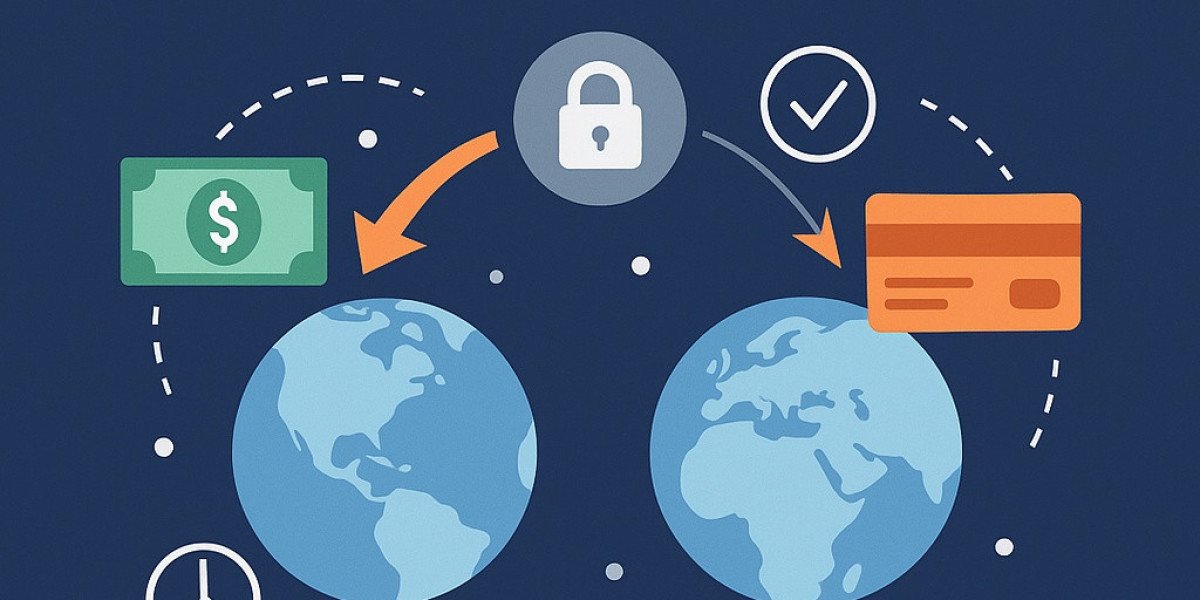

As global trade continues to expand, businesses are increasingly relying on cross-border transactions to serve international customers, pay overseas suppliers, and manage distributed teams. However, traditional international payment systems often face challenges such as settlement delays, high transaction fees, compliance complexity, and fraud risks.
In 2026, one technology is playing a transformative role in improving the security and efficiency of international payments — blockchain. Originally associated with cryptocurrencies, blockchain has evolved into a powerful infrastructure tool for secure financial transactions across borders.
This article explores how blockchain strengthens cross-border transactions and why businesses should pay attention to its growing role in global payments.
Understanding the Challenges in Cross-Border Transactions
Before examining blockchain’s impact, it is important to understand the risks businesses face when managing international payments.
Cross-border transactions typically involve:
Multiple intermediary banks
Currency conversions
Regulatory checks
Delayed settlements
Data security vulnerabilities
Each additional layer increases complexity and risk. Payment delays can disrupt cash flow, while security gaps can expose businesses to fraud and data breaches.
Modern businesses require faster, more transparent, and more secure systems to operate confidently across borders.
What Is Blockchain and How Does It Work?
Blockchain is a decentralized digital ledger that records transactions across multiple computers in a secure and transparent manner. Instead of relying on a single central authority, blockchain distributes transaction records across a network.
Key characteristics of blockchain include:
Decentralization
Immutability (records cannot be altered easily)
Transparency
Cryptographic security
Real-time validation
These features make blockchain particularly suitable for securing cross-border transactions.
How Blockchain Enhances Security in Cross-Border Transactions
1. Reduced Risk of Fraud
Traditional international transfers pass through several intermediaries. Each step introduces potential vulnerability.
Blockchain reduces fraud risk by:
Recording transactions in encrypted blocks
Making records tamper-resistant
Allowing real-time verification
Once a transaction is recorded on a blockchain, it becomes extremely difficult to modify, reducing the risk of manipulation.
2. End-to-End Transparency
One major issue in cross-border transactions is limited visibility. Businesses often struggle to track payment status across banking networks.
Blockchain provides:
Transparent transaction history
Real-time tracking
Clear audit trails
This transparency improves accountability and simplifies dispute resolution.
3. Faster Settlement Times
Traditional cross-border transactions may take several days due to intermediary bank processing.
Blockchain-based systems enable:
Near real-time settlements
Direct peer-to-peer transfers
Reduced reliance on intermediaries
Faster settlements improve cash flow and operational efficiency.
4. Lower Operational Costs
Intermediary banks and currency conversion fees can significantly increase transaction costs.
Blockchain helps reduce costs by:
Minimizing intermediaries
Automating verification processes
Streamlining reconciliation
Lower costs improve profitability for businesses operating internationally.
Blockchain and Compliance in 2026
Compliance remains a critical factor in global payments. Regulatory authorities require transparency and monitoring of financial flows to prevent fraud and money laundering.
Blockchain supports compliance by:
Maintaining permanent transaction records
Enabling easier auditing
Providing clear documentation trails
Enhancing KYC and AML monitoring
Because blockchain transactions are traceable, businesses can more easily meet reporting requirements.
Smart Contracts: Automating International Payments
One of blockchain’s most powerful features is smart contracts. These are self-executing contracts with terms written directly into code.
In cross-border transactions, smart contracts can:
Automatically release payments upon delivery confirmation
Enforce predefined payment terms
Reduce reliance on manual processing
Lower dispute risks
Automation increases reliability and minimizes delays.
Managing Currency Risk with Blockchain Solutions
Currency fluctuations are a major concern in cross-border transactions. Blockchain-based financial systems often support:
Multi-currency settlement
Stable digital tokens
Transparent exchange mechanisms
These features help businesses reduce exchange rate uncertainties and manage financial risk more effectively.
Strengthening Trust Between Global Partners
Trust plays a major role in international trade. When companies transact across borders, legal systems and enforcement standards may differ.
Blockchain enhances trust by:
Providing transparent transaction records
Ensuring data integrity
Reducing reliance on third-party verification
With immutable records, disputes become easier to resolve.
Challenges of Blockchain Adoption
While blockchain offers many advantages, businesses should also consider:
Regulatory uncertainty in some regions
Integration complexity with legacy systems
Scalability concerns
Education and training requirements
Careful planning is necessary before implementing blockchain-based payment infrastructure.
The Future of Blockchain in Cross-Border Transactions
In 2026 and beyond, blockchain is expected to integrate further into global financial systems. Financial institutions and fintech companies are investing heavily in distributed ledger technology.
Future developments may include:
Broader central bank digital currency (CBDC) adoption
Increased interoperability between blockchain networks
Stronger regulatory frameworks
Wider enterprise-level integrations
As infrastructure matures, blockchain will likely become a foundational component of secure international payment ecosystems.
How Businesses Can Prepare
To leverage blockchain effectively, businesses should:
Assess current cross-border transaction challenges.
Evaluate blockchain-enabled payment providers.
Ensure regulatory compliance alignment.
Integrate blockchain systems gradually.
Educate financial teams about decentralized technology.
A strategic approach ensures smooth implementation without disrupting operations.
Conclusion
The role of blockchain in securing cross-border transactions is becoming increasingly significant. By offering enhanced transparency, reduced fraud risk, faster settlements, and improved compliance support, blockchain addresses many of the challenges traditional international payment systems face.
As global commerce continues to expand, businesses that adopt innovative and secure financial infrastructure will gain a competitive edge. Blockchain is not just a technological trend — it is a powerful tool reshaping how cross-border transactions are secured and managed in 2026.