
The UAE’s security landscape is evolving rapidly as the nation continues to position itself as a global hub for trade, tourism, aviation, and large-scale infrastructure development. With world-class airports, busy ports, government facilities, industrial zones, and iconic landmarks handling high volumes of vehicle traffic every day, securing access points has become a strategic priority. Among the many areas of focus, underbody threat detection is gaining increased attention as organizations recognize its critical role in modern vehicle security.
Rising Security Expectations in a High-Mobility Environment
The UAE’s economic growth and global connectivity have led to a significant rise in vehicle movement across sensitive locations. From logistics vehicles entering ports to service vehicles accessing airports, hotels, and government sites, managing secure entry without disrupting operations is a constant challenge.
Traditional security measures that focus primarily on visible areas of a vehicle are no longer sufficient in such a dynamic environment. As risks become more sophisticated, security strategies are expanding to address areas that are harder to monitor, including the underside of vehicles.
Why the Underside of Vehicles Matters
The underbody of a vehicle is one of the least visible yet most vulnerable areas during access control checks. Limited ground clearance, shadows, and structural complexity make it difficult to assess using basic visual methods. This creates potential blind spots that can be exploited if not addressed properly.
In high-security environments, even small oversights can carry serious consequences. Underbody threat detection helps close these gaps by improving visibility and supporting more informed screening decisions at vehicle entry points.
Limitations of Conventional Inspection Practices
Conventional vehicle checks often rely on manual observation, mirrors, or handheld tools. While these methods can be useful in controlled, low-traffic settings, they face clear limitations in the UAE’s fast-paced operational environments.
Manual inspections are time-consuming, dependent on individual skill levels, and affected by fatigue or environmental conditions such as heat and low lighting. At high-volume entry points, maintaining consistent inspection quality becomes increasingly difficult, prompting the need for more reliable approaches.
The Shift Toward Technology-Supported Detection
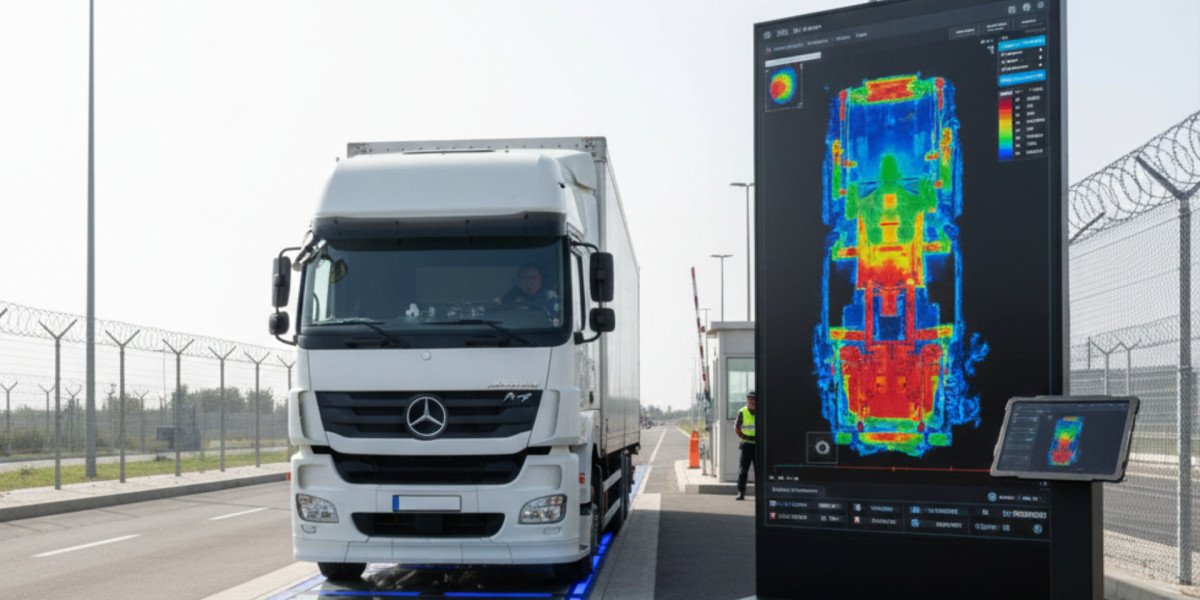
To overcome these challenges, organizations across the UAE are adopting technology-supported underbody threat detection as part of broader security strategies. These solutions enhance visibility, provide structured visual data, and reduce reliance on subjective judgment.
In some deployments, tools such as an under vehicle inspection system are used to support security teams by offering consistent monitoring and documentation. These technologies are not about replacing personnel, but about equipping them with better information to make faster and more accurate decisions.
Supporting High-Traffic Operations Without Delays
Efficiency is a critical concern in the UAE, where airports, ports, and commercial zones operate continuously and handle large volumes of vehicles. Security measures must be effective without creating congestion or operational bottlenecks.
Underbody threat detection solutions are designed to integrate smoothly into vehicle flow, allowing checks to take place without unnecessary stops. This balance between speed and security is one of the key reasons these solutions are gaining priority across the country.
Enhancing Consistency and Reducing Human Error
Consistency is essential for effective security management, particularly across multiple sites or shifts. Manual inspections can vary based on experience, workload, or environmental factors, leading to uneven security coverage.
Technology-supported underbody detection helps standardize inspections by applying the same process to every vehicle. This consistency reduces human error, improves compliance, and ensures that security standards are maintained regardless of time or location.
Integration With Modern Security Ecosystems
The UAE’s security infrastructure increasingly relies on integrated systems that combine access control, surveillance, and centralized monitoring. Underbody threat detection fits naturally into this ecosystem by contributing valuable visual data to broader security operations.
When integrated effectively, underbody monitoring supports better situational awareness and coordinated responses. Security teams can review information more efficiently and act quickly when potential risks are identified.
Data, Documentation, and Accountability
Another reason underbody threat detection is gaining importance is the ability to generate digital records. Documented inspections support audits, investigations, and regulatory compliance, which are particularly important in sectors such as aviation, logistics, and government operations.
Over time, this data also helps organizations analyze trends, identify vulnerabilities, and continuously improve their security procedures, strengthening overall preparedness.
Alignment With the UAE’s Vision for Smart Security
The UAE is known for its commitment to innovation, smart infrastructure, and advanced technology adoption. Prioritizing underbody threat detection aligns with this vision by supporting intelligent, future-ready security practices.
As smart cities, mega projects, and international events continue to expand, scalable and reliable security solutions will remain essential. Underbody detection plays a key role in ensuring that vehicle access control keeps pace with the country’s growth.
Preparing for Evolving Security Challenges
Security risks are constantly changing, and vehicle-based threats require adaptable strategies. Underbody threat detection provides a flexible foundation that can evolve alongside emerging risks and operational needs.
By investing in this area, organizations in the UAE are strengthening their ability to protect people, assets, and critical operations over the long term.
Conclusion
Underbody threat detection is gaining priority in the UAE’s security landscape because it addresses critical visibility gaps, supports high-volume operations, and enhances overall risk management. As vehicle movement continues to increase across sensitive locations, focusing on what lies beneath vehicles is no longer optional. By adopting smarter, technology-supported approaches, the UAE is reinforcing its commitment to secure, efficient, and future-ready security operations.