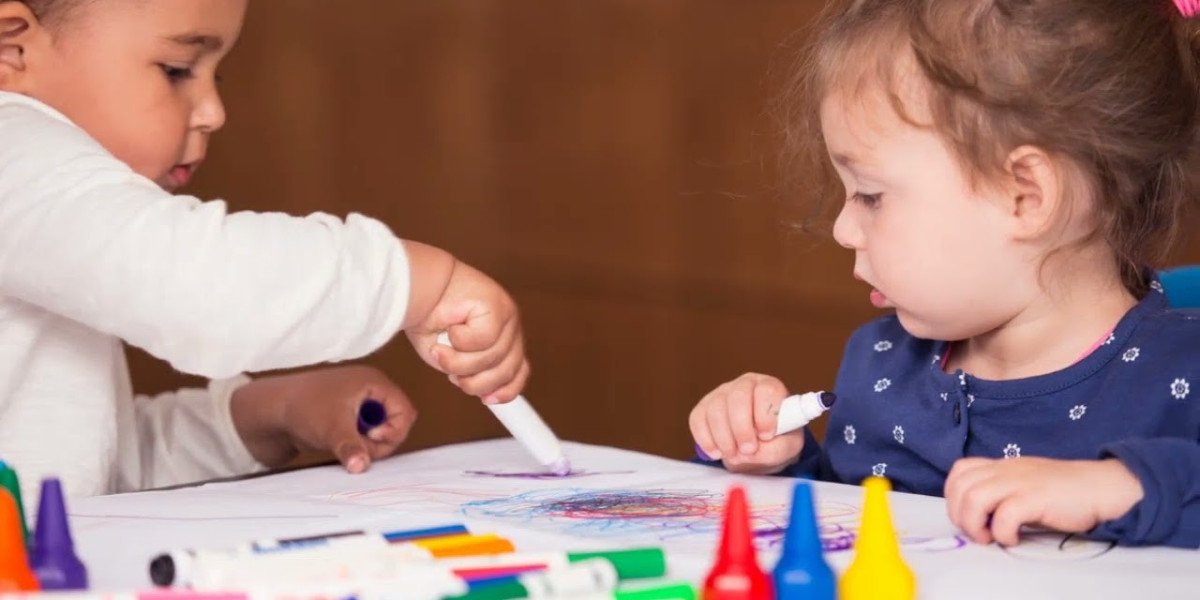

Early childhood is a time of incredible growth and development. During these formative years, children are naturally curious, imaginative, and eager to explore the world around them. One of the most effective ways to support this growth is through open-ended activities,learning experiences that allow children to explore, experiment, and express themselves freely.
In this article, we will explore why open-ended activities are crucial for young minds, how they foster essential skills, and practical ways parents and educators can incorporate them into daily routines. We will also touch on how these activities can help nurture creative minds and why it’s important to consider the best age to start childcare.
What Are Open-Ended Activities?
Open-ended activities are tasks or experiences that do not have a predetermined outcome. Unlike structured or goal-oriented activities, these encourage children to use their imagination, problem-solving abilities, and decision-making skills to explore and create.
Key Characteristics of Open-Ended Activities
No single “right” way to complete them
Encourage experimentation and creativity
Support self-expression and exploration
Adaptable to different age groups and skill levels
Foster curiosity and independent thinking
Examples of open-ended activities include drawing, building with blocks, role-playing, sensory play, and nature exploration.
Why Open-Ended Activities Are Important for Young Minds
Open-ended activities are essential because they promote a holistic approach to development, including cognitive, emotional, social, and physical growth.
Cognitive Development
Problem-solving skills: Children learn to think critically and find solutions independently
Decision-making: Making choices about how to approach a task builds confidence
Flexibility: Learning that there are multiple ways to solve a problem enhances adaptability
Emotional Development
Self-expression: Children can express thoughts, feelings, and ideas without restrictions
Confidence and resilience: Successfully completing an activity on their terms boosts self-esteem
Patience and focus: Engaging in tasks without immediate results develops persistence
Social Development
Collaboration: Group open-ended activities encourage teamwork and sharing
Communication: Explaining ideas and negotiating with peers enhances language skills
Empathy: Understanding different approaches and perspectives fosters emotional intelligence
Physical Development
Fine motor skills: Activities like drawing, cutting, and building strengthen hand-eye coordination
Gross motor skills: Outdoor play and movement-based activities develop coordination and balance
How Open-Ended Activities Foster Creative Minds
Nurturing creative minds begins with providing children opportunities to explore freely and think outside the box. Open-ended activities create a safe space for children to experiment, make mistakes, and discover unique solutions.
Ways Open-Ended Activities Encourage Creativity
Imaginative play: Dress-up games and role-playing allow children to invent stories and scenarios
Art and craft: Painting, sculpting, and drawing encourage self-expression and innovative thinking
Building and construction: Blocks, LEGO, and other materials stimulate problem-solving and spatial reasoning
Music and movement: Dancing, singing, and playing instruments allow children to explore rhythm, sound, and self-expression
By engaging in these activities regularly, children develop creative thinking skills that will benefit them throughout life, academically, socially, and professionally.
Open-Ended Activities Across Different Age Groups
Open-ended activities can be adapted to suit various developmental stages. Understanding what works best at each stage helps ensure that children remain engaged and challenged.
Infants (0–12 months)
Sensory play with textures, colors, and sounds
Tummy time with objects to encourage reaching and grasping
Simple cause-and-effect toys
Toddlers (1–3 years)
Building with blocks or stacking cups
Finger painting and exploring different materials
Role-playing with toys and household items
Preschoolers (3–5 years)
Storytelling and puppet play
Nature exploration and scavenger hunts
Simple science experiments to observe cause and effect
Early School Age (5–7 years)
Collaborative projects and group problem-solving
Creative writing and drawing stories
Constructing and inventing with LEGO or recycled materials
By introducing age-appropriate activities, children can explore their interests, build skills, and continue developing creative minds.
The Role of Educators and Parents
Open-ended activities are most effective when supported by adults who provide guidance without taking control. Both parents and educators play a key role in encouraging exploration and learning.
Tips for Parents
Provide diverse materials and resources
Observe without interfering too much
Ask open-ended questions like “What do you think will happen?”
Celebrate effort, not just results
Incorporate daily routines that allow for unstructured exploration
Tips for Educators
Set up activity stations that allow for choice and experimentation
Encourage group projects that promote collaboration
Introduce new materials gradually to spark curiosity
Use documentation to track children’s progress and interests
Foster a classroom culture that values creativity and experimentation
The Connection Between Open-Ended Activities and the Best Age to Start Childcare
Many parents wonder about the best age to start childcare. While each family’s situation is unique, early exposure to a structured yet flexible learning environment can significantly benefit a child’s development.
Why Starting Early Helps
Early social interactions develop communication and collaboration skills
Exposure to a variety of activities encourages cognitive and emotional growth
Children adapt more easily to structured routines while maintaining creativity
Opportunities to engage in creative minds-focused activities enhance problem-solving and imagination
Childcare centres that integrate open-ended activities into their daily curriculum provide children with an environment that balances learning and play, making them well-prepared for lifelong learning.
Practical Examples of Open-Ended Activities at Home or Childcare
Sensory Activities
Water and sand play
Playdough and clay modeling
Exploring natural materials like leaves, stones, and shells
Creative Arts
Painting with brushes, fingers, or sponges
Drawing or coloring with various materials
Collages using recycled or found objects
Imaginative Play
Pretend cooking, shopkeeping, or doctor role-play
Storytelling with puppets or toys
Dress-up and costume exploration
Construction and Building
LEGO or building blocks
Creating obstacle courses
Designing with recyclable materials
Outdoor Exploration
Nature walks and scavenger hunts
Gardening or planting seeds
Water play and experimenting with simple tools
Benefits of Consistently Integrating Open-Ended Activities
When open-ended activities are consistently incorporated into daily routines, children gain numerous long-term advantages:
Strong problem-solving and critical thinking skills
Enhanced imagination and creativity
Improved communication and social skills
Emotional resilience and self-confidence
Curiosity-driven learning habits that last a lifetime
These benefits highlight why parents and educators should prioritize open-ended activities from the earliest stages of development.
Conclusion
Open-ended activities are essential for nurturing young minds. By providing children with opportunities to explore, experiment, and express themselves freely, these activities help develop creative minds, support holistic growth, and prepare children for future learning experiences.
For families considering the best age to start childcare, introducing children to environments where open-ended, play-based learning is valued can make a profound difference in their development. Whether at home or in a childcare setting, open-ended activities empower children to think independently, solve problems creatively, and grow into confident, curious, and capable individuals.