
As people become more conscious about their sugar intake, the search for healthier, natural alternatives has taken center stage. From cutting calories to managing blood sugar levels, modern consumers want sweetness without the guilt. This is where monk fruit sweetener shines. Known as nature’s zero-calorie sweetener, monk fruit has quickly gained popularity as a clean, plant-based alternative to refined sugar and artificial sweeteners.
What Is Monk Fruit Sweetener?
Monk fruit, also called Luo Han Guo, is a small green fruit native to Southeast Asia. It has been used in traditional Chinese medicine for centuries due to its natural sweetness and health-supporting properties. Unlike sugar, monk fruit contains natural compounds called mogrosides, which are responsible for its intense sweetness—up to 150–200 times sweeter than sugar—without adding calories.
Monk fruit sweetener is made by extracting these mogrosides and refining them into a powdered or liquid form that can be used in everyday cooking and beverages.
Why Is Monk Fruit Considered Zero-Calorie?
The sweetness of monk fruit comes from antioxidants rather than carbohydrates. Since the body does not metabolize mogrosides the same way it processes sugar, monk fruit sweetener provides sweetness without raising calorie intake. This makes it an excellent choice for people looking to manage weight, reduce sugar consumption, or follow low-calorie diets.
Health Benefits of Monk Fruit Sweetener
One of the biggest advantages of monk fruit sweetener is its health-friendly profile:
1. Does Not Spike Blood Sugar
Monk fruit has a zero glycemic index, making it suitable for people with diabetes or those monitoring their blood glucose levels.
2. Supports Weight Management
With zero calories and no carbohydrates, monk fruit sweetener allows you to enjoy sweet flavors without compromising your fitness or weight-loss goals.
3. Rich in Antioxidants
Mogrosides found in monk fruit have antioxidant properties, which help combat oxidative stress and support overall wellness.
4. Gentle on Digestion
Unlike some artificial sweeteners, monk fruit is generally easy on the stomach and does not cause bloating or digestive discomfort for most people.
Monk Fruit vs Other Sweeteners
When compared to traditional sugar, monk fruit sweetener contains no calories, no fructose, and no negative impact on insulin levels. Unlike artificial sweeteners such as aspartame or saccharin, monk fruit is plant-based and free from synthetic chemicals.
It also stands out among natural sweeteners like honey or maple syrup, which still contain sugars and calories. Monk fruit offers the best of both worlds—natural origin and zero-calorie sweetness.
Using Monk Fruit Sweetener in Daily Life
Monk fruit sweetener is highly versatile and can be used in a variety of ways:
Sweetening tea, coffee, or smoothies
Baking cakes, cookies, and desserts
Cooking sauces, marinades, and dressings
Low-carb and keto-friendly recipes
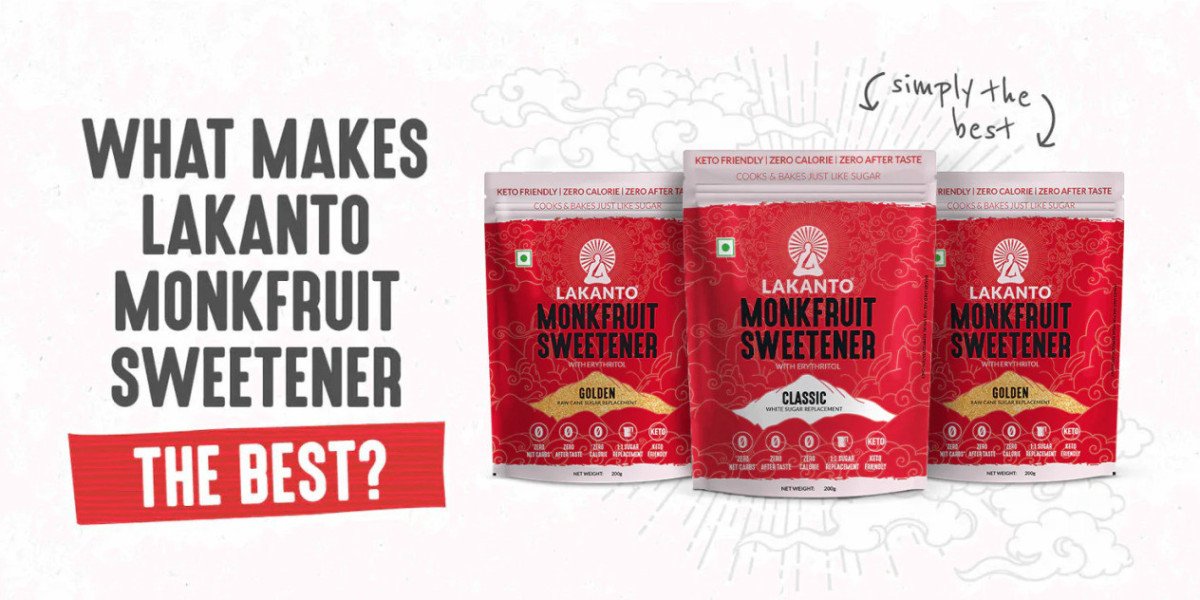
Premium brands like Lakanto Monk Fruit Sweetener often blend monk fruit with erythritol to balance sweetness and texture, making it an easy one-to-one replacement for sugar in most recipes.
Is Monk Fruit Sweetener Safe?
Yes, monk fruit sweetener is widely regarded as safe. It is approved by food safety authorities in many countries and is suitable for long-term use. Since it is derived from fruit and free from artificial additives, it appeals to clean-label and health-conscious consumers.
Monk fruit sweetener has emerged as a powerful natural alternative to sugar in today’s health-driven world. With zero calories, no blood sugar spikes, and a naturally sweet taste, it fits seamlessly into modern lifestyles focused on wellness and balance. Whether you are managing diabetes, following a keto diet, or simply trying to cut back on sugar, monk fruit sweetener offers a smart, guilt-free solution.
Choosing trusted options like Lakanto Monk Fruit Sweetener ensures you enjoy the pure benefits of monk fruit while maintaining taste, quality, and consistency in your everyday meals. Sweetness, redefined by nature. ?✨