
The digital printing industry has grown rapidly over the past decade, driven by demand for faster production, customization, and improved design quality. As adoption increases, environmental impact has become a major concern for manufacturers, brands, and consumers alike. Traditional inks often rely on harsh chemicals that contribute to pollution, health risks, and excessive waste.
Eco friendly inks have emerged as a practical solution to these challenges. By reducing harmful substances while maintaining high performance, these inks are redefining how digital printing operates and how sustainability is achieved in modern production environments.
The Shift Toward Responsible Printing Materials
Sustainability is no longer optional in printing. Regulatory pressure and consumer expectations are pushing businesses to adopt cleaner production methods. Conventional inks may offer strong color output, but they often contain solvents and chemicals that are harmful to both people and the environment.
Eco friendly inks are designed to meet environmental standards without sacrificing print quality. Their development has made it possible for manufacturers to reduce emissions, lower waste levels, and create safer workplaces while maintaining competitive production capabilities.
Reduced Environmental Impact in Digital Printing
One of the most significant advantages of eco friendly inks is their lower environmental footprint. These inks are formulated to minimize toxic discharge and reduce pollution during the printing process.
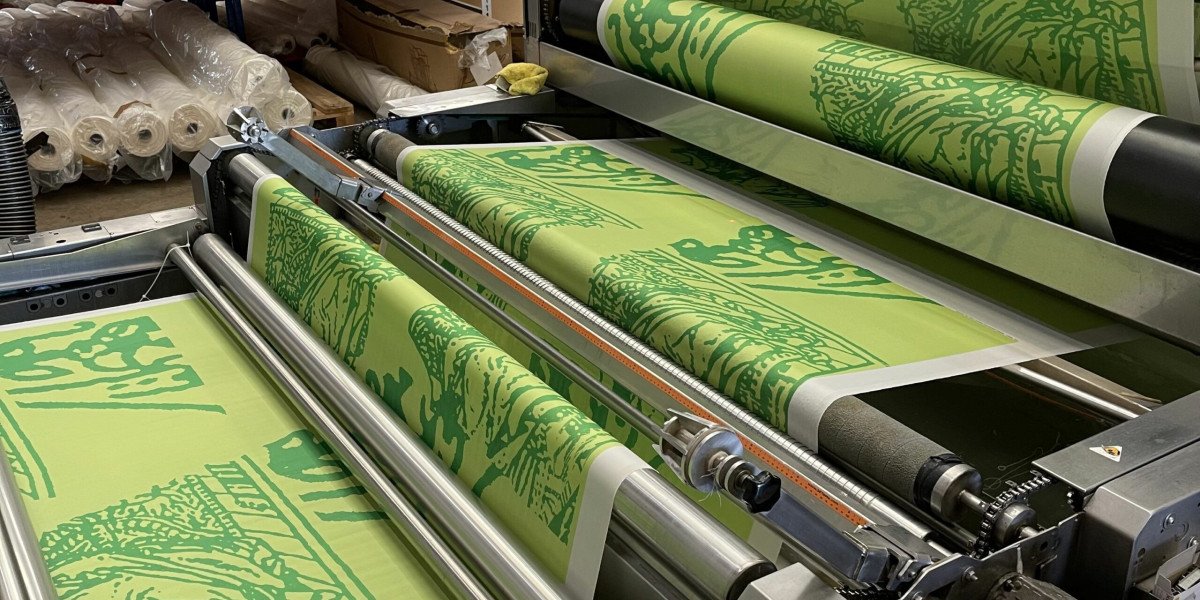
In digital fabric printing, eco friendly inks help decrease water contamination and chemical runoff. Their controlled application ensures that only necessary amounts of ink are used, supporting cleaner production and responsible waste management.
Improved Safety for Workers and End Users
Traditional inks can release harmful fumes and residues that pose health risks. Prolonged exposure may lead to respiratory issues or skin irritation for workers handling printing equipment.
Eco friendly inks are developed with low toxicity formulations. This makes the working environment safer and reduces health risks. For consumers, garments and printed textiles become safer to wear, especially for sensitive skin and children’s clothing.
Maintaining High Print Quality and Color Performance
A common misconception is that eco friendly inks compromise on color strength or durability. In reality, modern formulations deliver excellent color vibrancy and sharpness.
In digital fabric printing, eco friendly inks provide consistent color reproduction and strong bonding with fabrics. Advances in ink technology ensure long lasting prints that retain brightness and detail after washing and regular use.
Compatibility with Sustainable Fabrics
The rise of eco conscious textiles has increased the need for inks that work effectively with sustainable materials. Organic cotton, recycled polyester, and biodegradable fabrics require inks that align with their environmental purpose.
Eco friendly inks are designed to perform well on a wide range of fabrics. Their compatibility supports responsible material choices and enhances the overall sustainability of printed products.
supporting On Demand and Low Waste Production
Waste reduction is a key principle of sustainable manufacturing. Overproduction and excess ink usage contribute significantly to environmental damage.
Eco friendly inks work efficiently in digital fabric printing systems, supporting precise ink application and on demand production. This reduces excess inventory, lowers ink waste, and helps brands adopt more sustainable production models.
Compliance with Environmental Regulations
Governments and industry bodies are enforcing stricter environmental standards. Non compliant printing materials can result in penalties and reputational damage.
Eco friendly inks help printing businesses meet regulatory requirements more easily. Their compliance with safety and environmental guidelines reduces operational risk and supports long term business sustainability.
Encouraging Sustainable Innovation in Printing
The development of eco friendly inks has accelerated innovation in the digital printing sector. Manufacturers are investing in research to improve performance while reducing environmental impact.
This progress benefits both printers and brands by offering better materials that support responsible production without limiting creative or commercial goals.
FAQs
What are eco friendly inks?
Eco friendly inks are printing inks formulated with low toxicity, reduced chemicals, and minimal environmental impact while maintaining high print quality.
Do eco friendly inks work well in digital printing?
Yes, they are specifically designed to perform efficiently in digital printing systems, offering consistent color, durability, and reliability.
Are eco friendly inks safe for clothing?
Yes, they are safer for skin contact and suitable for garments, including children’s and sensitive wear.
Do these inks reduce production costs?
While initial costs may vary, reduced waste, regulatory compliance, and safer handling often lead to long term cost savings.
Can eco friendly inks be used on all fabrics?
They are compatible with many fabric types, including sustainable and conventional textiles, depending on ink formulation.
Conclusion
Eco friendly inks are transforming the digital printing industry by addressing environmental, safety, and performance challenges. Their ability to reduce pollution, improve workplace safety, and maintain high print quality makes them a vital component of modern printing practices.
In digital fabric printing, these inks support sustainable production models, encourage responsible material use, and align with growing environmental expectations. As the industry continues to evolve, eco friendly inks will remain a key driver in shaping a cleaner, safer, and more efficient future for digital printing.