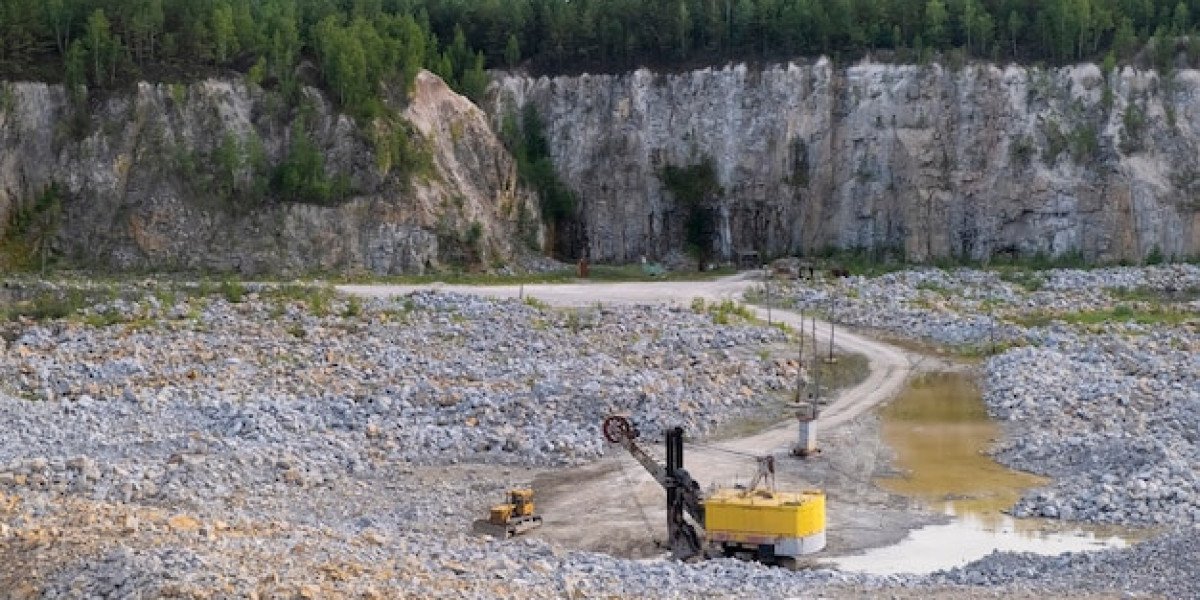

Exploring abandoned properties offers a unique opportunity for photographers to capture hauntingly beautiful and dramatic images. Photographing abandoned properties, also known as urbex photography, has gained popularity among photography enthusiasts and urban explorers alike. The decaying walls, broken windows, and forgotten furniture provide an intriguing canvas that tells stories of the past. However, photographing these locations requires more than just a camera. It demands creativity, preparation, and safety awareness. This guide will explore techniques, tips, and ideas to help you excel in photographing abandoned properties while staying safe and respectful.
Understanding the Appeal of Abandoned Property Photography
Abandoned buildings carry an eerie charm that draws photographers into their quiet, decayed worlds. Photographing abandoned properties allows artists to document spaces that are often overlooked or hidden from the public. The textures, colors, and light that filter through broken structures create visual narratives that are impossible to replicate in controlled environments. Many photographers are fascinated by the juxtaposition of beauty and decay, capturing images that evoke strong emotions and nostalgia.
Abandoned properties are more than just subjects—they are stories frozen in time. Each building has a history, whether it was a school, factory, hospital, or residential home. By photographing abandoned properties, photographers preserve memories and highlight the passage of time. Understanding the background and history of the location enhances the quality of your images and allows for deeper storytelling.
Preparing to Photograph Abandoned Properties
Preparation is essential before entering any abandoned property. Unlike traditional photography locations, these places can pose hazards such as unstable floors, exposed nails, and harmful mold. Safety should always be your top priority. Wearing protective clothing, sturdy shoes, gloves, and a dust mask is highly recommended. Additionally, bringing a flashlight or portable lighting can help navigate dark corners and enhance your photography.
Planning the visit is equally important. Research the location beforehand to understand its layout, accessibility, and potential dangers. Some abandoned properties may require permission from owners or local authorities to avoid trespassing violations. Always respect property laws and avoid taking unnecessary risks. Preparing your equipment is also crucial. Carry a camera with low-light capabilities, spare batteries, and memory cards. Tripods are especially useful for capturing long-exposure shots in dimly lit environments.
Choosing the Right Time and Lighting
Lighting plays a critical role in photographing abandoned properties. Natural light filtering through broken windows or gaps in the ceiling creates dramatic shadows and highlights. Early morning or late afternoon is ideal for soft, diffused lighting that enhances textures and adds depth to your images. Overcast days are also excellent because they reduce harsh shadows and provide even lighting throughout the property.
Experimenting with different lighting angles can yield unique results. For example, capturing rays of sunlight streaming through cracks in the roof creates a sense of mystery and atmosphere. Artificial lighting, such as portable LEDs or flashlights, can also be used creatively to illuminate dark areas and reveal hidden details. Mastering lighting techniques is key to transforming an ordinary abandoned space into a captivating photograph.
Composition Techniques for Abandoned Property Photography
Composition is vital when photographing abandoned properties. The goal is to guide the viewer's eye through the image while emphasizing the character and mood of the location. Leading lines, such as broken hallways, staircases, or peeling wallpaper patterns, can draw attention to specific focal points. Framing elements like doorways and windows help create a sense of depth and perspective.
Pay attention to textures and patterns. Rusted metal, cracked paint, and decaying furniture add visual interest and convey the story of abandonment. Experiment with angles and perspectives—shooting from low angles or high viewpoints can dramatically change the perception of the space. Symmetry and asymmetry can also be used to evoke different emotions. While symmetrical shots create a sense of order, asymmetry can amplify the chaos and decay inherent in abandoned properties.
Capturing Mood and Atmosphere
One of the most compelling aspects of photographing abandoned properties is the ability to convey mood and atmosphere. These spaces often feel eerie, melancholic, or nostalgic, and capturing that emotion is what sets remarkable photographs apart. Use lighting, composition, and color to reflect the story you want to tell. Dark, shadowy corners evoke suspense, while soft light on dusty surfaces creates a sense of serenity.
Post-processing can also enhance mood. Adjusting contrast, saturation, and shadows can bring out the textures and details that define the space. Some photographers prefer black and white processing to emphasize the haunting beauty of abandonment. Experiment with different editing styles to see which best represents the feeling of each location.
Essential Equipment for Abandoned Property Photography
Having the right equipment can make a significant difference in photographing abandoned properties. A sturdy DSLR or mirrorless camera with a wide dynamic range is ideal for capturing details in both bright and shadowed areas. Wide-angle lenses allow you to capture the full scope of interiors, while prime lenses are perfect for focusing on textures and details.
Tripods are indispensable for long-exposure shots in low light. Portable LED lights, reflectors, or flash units can help illuminate dark corners and create dramatic effects. Additionally, protective gear for both yourself and your camera is necessary, as dust, debris, and moisture are common in abandoned buildings. Carrying a small backpack with spare batteries, lenses, and cleaning tools ensures that you are prepared for any situation.
Safety Tips for Urban Exploration Photography
Safety cannot be overstated when photographing abandoned properties. Many buildings are structurally unsound, with weakened floors, ceilings, and staircases. Always test surfaces before putting your full weight on them and avoid climbing unstable structures. Bringing a companion is recommended in case of emergencies. A first-aid kit and mobile phone with GPS are also essential for safety.
Be cautious of hazardous materials, such as asbestos, mold, and broken glass. Wearing protective clothing, gloves, and masks is necessary to avoid injuries or health risks. Avoid going alone into unknown areas and never enter properties with warning signs or visible hazards. Urban exploration photography is thrilling, but it should never come at the expense of safety.
Legal Considerations for Photographing Abandoned Properties
Before entering any abandoned site, it’s essential to understand the legal implications. Trespassing on private property can result in fines or legal action. Always research local laws and seek permission from property owners if necessary. Some abandoned locations are publicly accessible, such as old train stations or parks, but others may require explicit consent.
Respect for the site is crucial. Do not vandalize, steal, or damage any property while photographing. Taking only photographs and leaving no trace ensures that these unique locations remain preserved for other photographers and explorers. Documenting abandoned properties ethically enhances your credibility and fosters a positive relationship with local communities.
Creative Ideas for Abandoned Property Photography
Photographing abandoned properties offers endless creative possibilities. Experimenting with different themes, subjects, and compositions can produce striking images. Here are a few creative ideas:
Focus on textures and details, such as peeling paint, rusted metal, and broken furniture.
Use reflections in puddles, mirrors, or broken glass to add depth and intrigue.
Incorporate motion, like blowing curtains or falling leaves, for a dynamic effect.
Capture human interaction with the space, such as portraits or silhouettes, to tell a story.
Explore symmetry and geometry in architectural elements for a unique perspective.
Creative experimentation allows you to stand out and create images that are memorable and impactful. Abandoned property photography is not just about documenting decay; it’s about creating art from forgotten spaces.
Common Challenges and How to Overcome Them
Photographing abandoned properties comes with challenges, such as low light, safety hazards, and unpredictable environments. Low light can make it difficult to capture sharp images, but using a tripod and long-exposure techniques can solve this issue. Safety hazards can be minimized through preparation, protective gear, and careful observation.
Other challenges include finding accessible locations, unpredictable weather, and vandalism. Conducting thorough research and scouting locations beforehand helps mitigate these obstacles. Flexibility, patience, and creativity are key to overcoming challenges and achieving exceptional results in abandoned property photography.
Conclusion
Photographing abandoned properties is a rewarding pursuit for photographers seeking unique and dramatic imagery. By understanding the appeal, preparing properly, mastering lighting and composition, and prioritizing safety and legality, you can capture hauntingly beautiful photographs that tell compelling stories. Each abandoned site offers its own narrative, textures, and atmosphere, providing endless creative opportunities. Whether you are drawn by the history, mystery, or aesthetic appeal, photographing abandoned properties allows you to document the beauty of decay and transform forgotten spaces into timeless art.











