Logistics today isn’t about pushing cartons from point A to point B and calling it a day. It sits right in the middle of timing, trust, rules, paperwork, and that question people ask ten times a day without saying it out loud: where is my shipment, right now? With logistics technology trends changing how visibility and control work, this pressure only grows. For manufacturing, retail, healthcare, and similar sectors, trying to hold all of this in-house turns chaotic fast. That’s why third-party logistics companies exist. Not as outside helpers waving advice, but as people working inside the system, keeping things steady while the business focuses elsewhere.
The idea sounds easy.
Doing it is not.
What a 3PL Really Does
A 3PL firm works like an extension of your own operations. Sometimes they handle transport. Sometimes storage. Often both, plus inventory tracking, order packing, last-mile delivery, and the coordination nobody sees. Their warehouses, software, trucks, and teams replace the need for a business to build everything from scratch.
Instead of managing five vendors and a stressed internal team, companies hand the keys to one logistics partner. The flow becomes cleaner. Scaling stops feeling risky. When demand jumps or drops, the system adjusts without panic.
That shift alone changes how operations feel day to day.
Transport Without the Daily Firefighting
Transport causes the most stress. Routes change. Traffic ruins plans. Deliveries miss windows. Someone calls, angry.
3PL providers live inside this chaos. They use route planning tools, live shipment tracking, and carrier networks built over years. Decisions get made fast. Trucks reroute. Loads consolidate. Delays shrink.
Domestic or cross-border, the goal stays the same. Keep freight moving without drama.
And when something breaks, because it always does, their networks absorb the shock better than a single company ever could.
Warehousing That Actually Works
Storage sounds boring until it fails.
Modern 3PL warehouses run on scanners, warehouse software, and layouts designed for speed. Inventory updates in real time. Pick errors drop. Security improves. Goods move in and out without confusion.
Location matters too. Most 3PL facilities sit close to highways, ports, or consumption centers. That cuts delivery time without cutting corners.
Stock levels stay visible. Replenishment stays planned. Overstock and stockouts stop eating margins quietly.
Businesses keep control, without micromanaging shelves.
Technology Doing the Heavy Lifting
Logistics runs on data now. Not spreadsheets emailed at night.
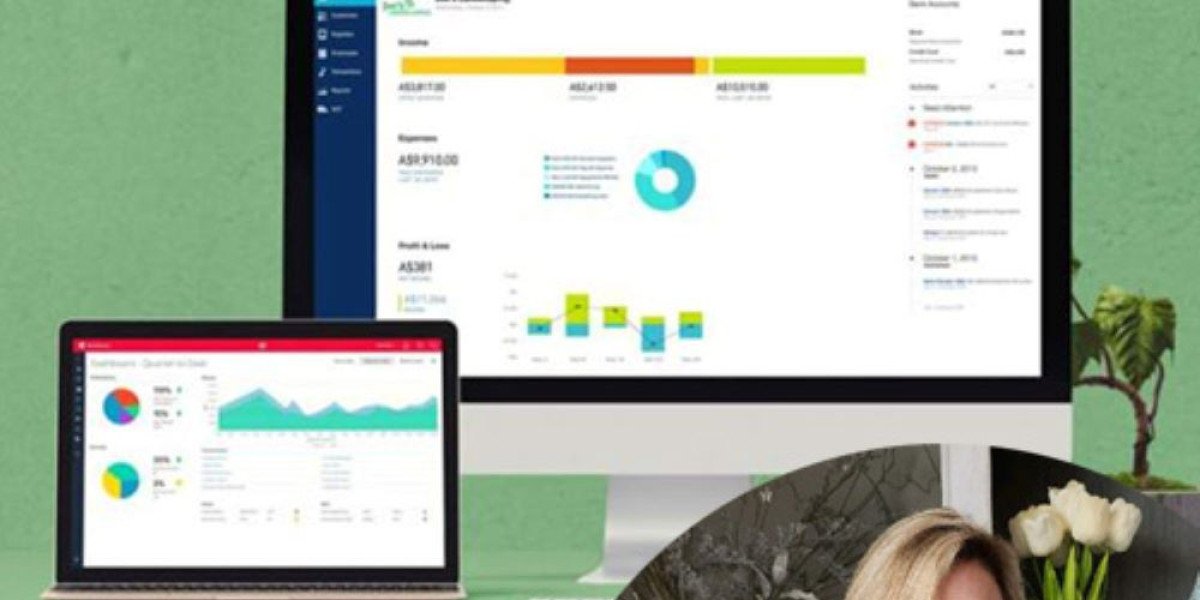
3PL platforms connect orders, warehouses, transport, and delivery updates into one system. Dashboards show delays, performance gaps, and delivery status without chasing phone calls.
Some providers use predictive tools for demand planning and routing. Others rely on sensors to monitor temperature for medicines and sensitive products. In pharma logistics, that matters. A single temperature breach can destroy an entire shipment.
As one supply chain executive once said, “If you can’t see your supply chain, you don’t control it.” That line sticks because it’s true.
Built Around the Business, Not the Other Way Around
No two businesses move products the same way.
Healthcare needs controlled handling. Retail needs flexibility during peak seasons. Industrial goods demand heavy-duty storage and careful loading. A 3PL designs around these needs instead of forcing a template.
That flexibility lets companies expand regions, test new products, or adjust volumes without rebuilding logistics every time. The system bends without breaking.
That’s the difference.
Crossing Borders Without Losing Sleep
International logistics brings paperwork, rules, inspections, and delays. Miss one document and the shipment stops cold.
3PL providers handle customs filings, duties, compliance checks, and carrier coordination across borders. Their teams know the regulations, not from theory, but from daily exposure.
Their global networks reduce handoffs and confusion. Goods clear faster. Fewer surprises appear at ports.
Trade still stays complex. It just stops being overwhelming.
Seeing the Entire Chain, All the Time
Without visibility, logistics turns reactive. Problems show up late. Costs rise quietly.
3PL platforms track shipments end to end. Businesses see movement in real time. Disruptions surface early. Decisions happen before damage spreads.
Shared data also improves coordination. Suppliers, carriers, and customers work from the same information. Fewer disputes. Less guesswork.
Trust grows when everyone sees the same numbers.
Sustainability That’s Actually Operational
Environmental responsibility isn’t a marketing line anymore. It shows up in routes, fuel use, warehouse energy, and packaging choices.
Many 3PL companies invest in fuel-efficient fleets, smarter routing, solar-powered warehouses, and space optimization. Shipment consolidation cuts waste. Storage planning reduces empty runs.
The World Economic Forum has repeatedly pointed out that logistics efficiency directly impacts emissions. Better planning means cleaner movement. Simple connection. Real impact.
Letting Businesses Focus on What They’re Good At
When logistics stops consuming attention, space opens up.
Teams spend time on product quality, customer experience, and growth instead of chasing trucks or fixing inventory errors. Internal stress drops. Decision-making sharpens.
That shift changes company culture more than people expect.
Logistics keeps running in the background. Quietly. Consistently.
And that’s often the best sign it’s working.