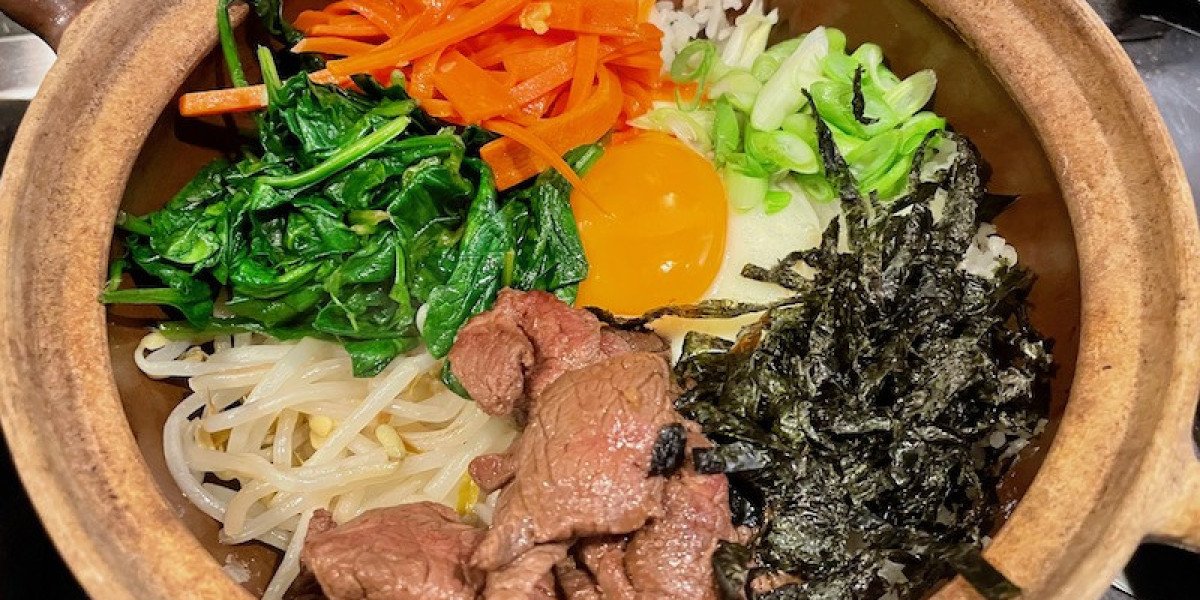

Dolsot Beef Bibimbap is one of the most iconic dishes in Korean cuisine. Served in a hot stone bowl, this meal is loved for its bold flavors, colorful presentation, and satisfying mix of textures. From the sizzling rice at the bottom to the perfectly seasoned beef and vegetables on top, every element plays an important role. Today, this dish is not only popular in Korea but also widely enjoyed at the Best Food Resturents in Singapore, where Korean dining continues to gain strong appreciation.
This article explains the ingredients, flavor profile, and traditional serving style of Dolsot Beef Bibimbap in a clear and simple way.
What Is Dolsot Beef Bibimbap?
Dolsot Beef Bibimbap is a variation of bibimbap, which means “mixed rice.” The word dolsot refers to the hot stone bowl in which the dish is served. Unlike regular bibimbap, this version is served piping hot, allowing the rice to crisp at the bottom while the toppings stay warm and fresh.
The stone bowl is a key feature. It keeps the dish hot throughout the meal and creates the signature crunchy rice layer that many people love.
Core Ingredients of Dolsot Beef Bibimbap
The beauty of Dolsot Beef Bibimbap lies in its balanced ingredients. Each component is prepared separately to preserve its individual flavor before being combined in the bowl.
Steamed White Rice
Steamed white rice forms the base of the dish. When placed into the hot stone bowl, the rice continues to cook and develops a golden, crispy layer at the bottom. This crunchy texture adds depth and contrast to the meal.
Marinated Beef
Thinly sliced beef, commonly sirloin or ribeye, is marinated in a mixture of soy sauce, garlic, sesame oil, and a touch of sweetness. The beef is then cooked until tender and flavorful, providing richness and protein.
Assorted Vegetables
A variety of vegetables are arranged neatly over the rice. Common choices include:
Spinach
Bean sprouts
Carrots
Zucchini
Mushrooms
Each vegetable is lightly seasoned and cooked individually to maintain its natural taste and texture.
Egg
A fried egg or raw egg yolk is placed on top of the bowl. When mixed into the hot rice, the egg creates a creamy texture that binds all the ingredients together.
Gochujang
Gochujang, a Korean chili paste, is served either on top or on the side. It adds spice, depth, and a slightly sweet heat that defines the dish.
Flavor Profile: What Does Dolsot Beef Bibimbap Taste Like?
Dolsot Beef Bibimbap delivers a well-balanced flavor experience. The beef provides savory richness, while the vegetables add freshness and lightness. The gochujang introduces heat and umami, and the egg smooths everything out.
Each bite can be adjusted to taste by adding more or less sauce. This flexibility makes the dish enjoyable for both spice lovers and those who prefer milder flavors.
Texture: A Key Part of the Experience
Texture is one of the standout features of Dolsot Beef Bibimbap. The hot stone bowl creates a crispy rice layer at the bottom, known as nurungji. This crunch contrasts beautifully with the soft rice, tender beef, and lightly cooked vegetables.
The mix of crunchy, soft, and juicy elements keeps the dish interesting from start to finish.
Traditional Serving Style
Dolsot Beef Bibimbap is served extremely hot, often still sizzling when it reaches the table. The ingredients are usually arranged neatly in sections over the rice, showcasing the vibrant colors of the vegetables and beef.
This presentation highlights freshness and variety, making the dish visually appealing as well as delicious.
How to Eat Dolsot Beef Bibimbap
The traditional way to eat Dolsot Beef Bibimbap is to mix everything together before eating. Once the gochujang and egg are added, the ingredients are stirred thoroughly so the flavors blend evenly.
Mixing also helps release the crispy rice from the bottom of the bowl, ensuring every bite includes a bit of crunch.
Why the Stone Bowl Matters
The stone bowl is not just for presentation—it is essential to the dish. It retains heat exceptionally well, keeping the food hot throughout the meal.
The constant heat enhances flavor and creates the crispy rice layer that defines dolsot bibimbap. Without the stone bowl, the dish would lose much of its character.
Nutritional Balance of the Dish
Dolsot Beef Bibimbap is often considered a balanced meal. It includes carbohydrates from rice, protein from beef and egg, and fiber and nutrients from vegetables.
Because it combines multiple food groups in one bowl, it is both filling and satisfying without feeling overly heavy.
Popular Variations of Dolsot Bibimbap
While beef is one of the most popular choices, dolsot bibimbap can be made with other proteins or even without meat.
Common variations include:
Chicken dolsot bibimbap
Seafood dolsot bibimbap
Vegetarian dolsot bibimbap
Each version follows the same structure but offers a different flavor profile.
Why Dolsot Beef Bibimbap Is So Popular
The dish’s popularity comes from its versatility and comfort. It can be enjoyed as a hearty lunch or a satisfying dinner, and it appeals to a wide range of tastes.
Its interactive eating style also adds to the experience, making it a favorite choice at the Best Food Resturents in Singapore where diners enjoy engaging and shareable meals.
Dolsot Beef Bibimbap for First-Time Diners
For those new to Korean food, Dolsot Beef Bibimbap is an excellent starting point. The flavors are bold but not overwhelming, and the spice level can be easily adjusted.
It introduces key Korean ingredients and techniques in a familiar, rice-based format.
Modern Restaurant Presentations
In modern Korean restaurants, Dolsot Beef Bibimbap may be served with side dishes such as kimchi, soup, or pickled vegetables. Some places use premium beef or creative plating while staying true to tradition.
These touches are often seen at the Best Food Resturents in Singapore, where quality and presentation are equally important.
Tips for Enjoying Dolsot Beef Bibimbap
Mix the ingredients well to balance flavors
Add gochujang gradually to control spice
Scrape the bottom to enjoy the crispy rice
Pair with side dishes for a complete meal
These small steps enhance the overall experience.
Cultural Importance of Bibimbap
Bibimbap represents harmony and balance in Korean cuisine. Different ingredients come together in one bowl, symbolizing variety and unity.
The dolsot version adds warmth and texture, making it especially comforting.
Conclusion: A Timeless Korean Classic
Dolsot Beef Bibimbap is more than just a meal—it is a complete dining experience. With its carefully prepared ingredients, bold yet balanced flavor, and unique serving style, it continues to be a favorite worldwide.
Whether you enjoy it for the first time or return to it often at the Best Food Resturents in Singapore, Dolsot Beef Bibimbap remains a timeless dish that delivers comfort, flavor, and satisfaction in every bowl.











