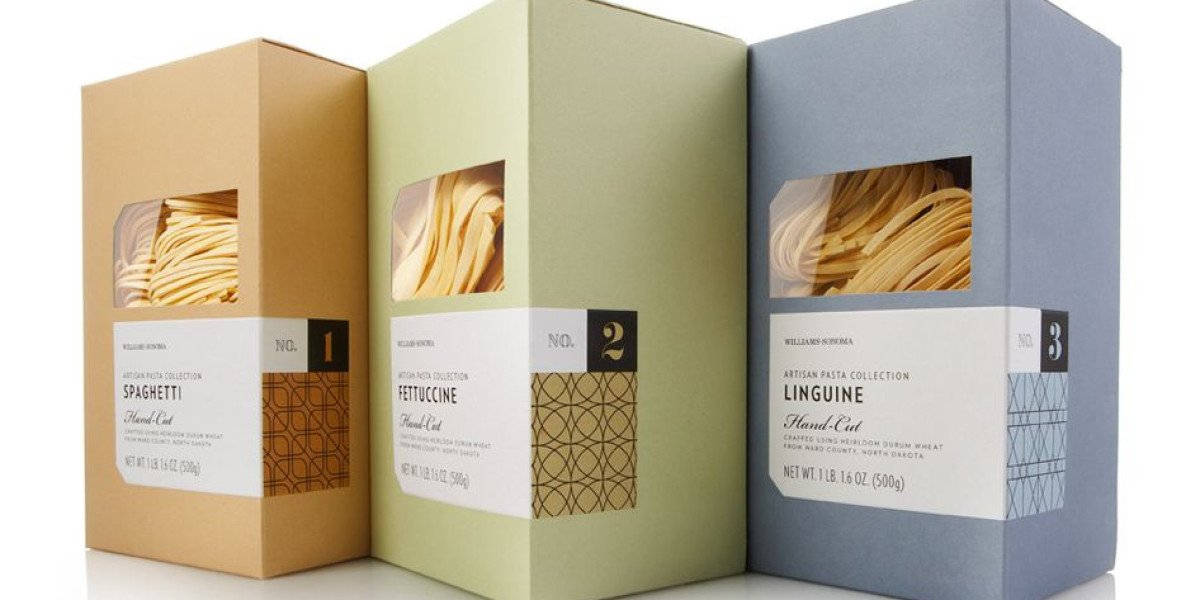

Pasta, a beloved staple in many households worldwide, is often vulnerable to environmental factors that can degrade its quality. In tropical climates, where high temperatures and humidity levels are a constant, this issue is even more pronounced. Humidity can quickly turn a perfectly dry and fresh batch of pasta into a clumpy, soggy mess. Thankfully, innovative solutions such as active packaging are transforming the way pasta is stored, preserved, and transported in these challenging environments. This article will explore how active packaging can protect pasta from humidity and how it is reshaping the future of pasta storage in tropical climates.
What is Active Packaging?
Active packaging goes beyond traditional packaging solutions by incorporating materials that interact with the product inside, rather than merely serving as a protective barrier. It actively influences the internal environment, such as moisture levels, oxygen, and even carbon dioxide, which can all impact the quality and safety of the product. For pasta, which is extremely sensitive to moisture, this technology plays a crucial role in maintaining its texture, flavor, and shelf life.
Active packaging for pasta typically includes moisture-absorbing elements, such as silica gel packets, that draw excess water out of the package, ensuring that the pasta stays dry. This is especially important in tropical climates where humidity levels are consistently high. The use of active packaging helps prevent pasta from absorbing moisture from the air, which could otherwise lead to mold growth, spoilage, or a loss of texture. This packaging technology doesn't just preserve the product; it enhances its longevity and overall quality.
Humidity's Impact on Pasta in Tropical Environments
High humidity levels are a defining feature of tropical climates, and they create unique challenges for food storage. Pasta, like many other dry goods, thrives in a low-humidity environment. When exposed to excessive moisture, pasta can absorb water, causing it to soften, lose its structure, and ultimately become less appetizing. In extreme cases, high humidity can cause pasta to become sticky, making it difficult to cook or eat. Mold and bacteria can also thrive in such environments, making pasta unsafe to consume after a certain period.
For manufacturers and consumers in tropical climates, these issues can lead to significant food waste and reduced shelf life. A traditional pasta package may fail to protect the product adequately, especially when stored for longer durations or in fluctuating environmental conditions. This is where active packaging comes into play. By controlling the moisture levels inside the packaging, active solutions ensure that the pasta remains in pristine condition, even in the most humid conditions.
The Benefits of Active Packaging for Pasta
Active packaging offers numerous benefits for pasta manufacturers and consumers alike. One of the primary advantages is its ability to extend the shelf life of pasta. In tropical climates, where pasta is at greater risk of degradation due to humidity, active packaging can prevent moisture buildup, preserving the product for much longer than conventional packaging.
Another benefit is improved food safety. As mentioned earlier, moisture can lead to the growth of mold and bacteria, both of which can spoil pasta. By keeping the pasta dry, active packaging helps mitigate these risks. Additionally, it can eliminate the need for artificial preservatives, which are often added to pasta to combat moisture and spoilage. With active packaging, pasta can stay fresh naturally, making it a safer and healthier option for consumers.
Active packaging also enhances the overall quality of the pasta. Pasta that remains dry and crisp not only tastes better but also cooks more consistently. Consumers are more likely to enjoy their pasta when it has retained its original texture and flavor, even after being stored for an extended period. This leads to greater customer satisfaction and fewer returns or complaints from consumers.
Custom Pasta Packaging: Tailoring Solutions for Tropical Climates
A one-size-fits-all approach to packaging doesn’t always work when it comes to pasta, especially in tropical climates. Different pasta shapes and sizes may require varying levels of protection from humidity. This is where custom pasta packaging steps in, offering tailored solutions designed to meet the specific needs of pasta products in humid regions.
Custom pasta packaging often incorporates specific moisture-control materials, such as desiccants or breathable films, that are strategically placed inside the packaging to absorb excess moisture. The design of the packaging can also be adjusted to create a perfect fit for different types of pasta. For example, long pasta shapes like spaghetti may require different packaging materials compared to smaller shapes like fusilli or penne. Custom packaging solutions not only improve the freshness and quality of the pasta but also enhance its shelf appeal, making it more attractive to consumers.
Additionally, custom packaging can be designed to incorporate eco-friendly materials, aligning with growing consumer demand for sustainability. Whether it’s biodegradable packaging or reusable moisture-control elements, custom pasta packaging offers a way for manufacturers to deliver high-quality, environmentally responsible products.
How Desiccants Work in Active Packaging
Desiccants are materials that naturally absorb moisture from the air, making them a crucial component in active packaging solutions. In pasta packaging, desiccants help maintain an ideal moisture level by absorbing any excess water inside the package. This prevents the pasta from becoming too moist and losing its texture.
The most common desiccants used in pasta packaging include silica gel, activated carbon, and clay. These materials are highly effective at trapping moisture and can be placed inside small sachets or integrated into the packaging itself. For example, a silica gel packet might be included in the pasta box to absorb moisture during transportation and storage. The moisture-absorbing capability of desiccants ensures that the pasta remains in its best condition, no matter how humid the climate.
Desiccants are not only effective but also lightweight and cost-efficient. They offer a low-cost solution for manufacturers looking to extend the shelf life of their pasta products while keeping packaging costs down. For consumers, desiccant-based packaging is a convenient and efficient way to ensure that pasta stays dry and fresh for longer periods.
Sustainable Packaging Innovations for Pasta
As the world becomes more conscious of environmental issues, sustainability has become a major focus in packaging design. The food industry, including pasta manufacturers, is increasingly turning to sustainable materials to reduce waste and environmental impact. Active packaging solutions for pasta are no exception.
One of the key innovations in sustainable pasta packaging is the use of biodegradable films and materials. These films break down naturally over time, reducing the amount of plastic waste that ends up in landfills. Biodegradable moisture-control films, which are made from plant-based materials, can be used in place of traditional plastic packaging to keep pasta fresh without harming the environment.
Another exciting development in sustainable packaging is the use of reusable desiccant packets. Rather than being discarded after one use, these desiccants can be reused in other food storage applications, reducing waste. Some companies are also exploring the use of recycled materials in packaging production, ensuring that pasta packaging has a minimal carbon footprint.
By embracing sustainable packaging solutions, pasta manufacturers can not only improve the shelf life and quality of their products but also contribute to a cleaner, more sustainable future.
The Future of Active Packaging for Pasta
Looking ahead, the future of active packaging for pasta in tropical climates looks bright. As technology continues to advance, we can expect even more sophisticated active packaging solutions that offer better protection against moisture and other environmental factors.
In the coming years, we may see the integration of smart packaging technologies that use sensors to monitor humidity levels in real time. These sensors could alert consumers or manufacturers when the packaging is no longer effective at maintaining optimal conditions, allowing for more precise control over pasta storage.
Moreover, advancements in nanotechnology could lead to the development of even more efficient moisture-absorbing materials that are lighter, thinner, and more effective. These innovations will not only improve the quality and longevity of pasta but also make active packaging more affordable and accessible to a wider range of consumers.
Conclusion
Active packaging has emerged as a game-changer in the world of pasta preservation, especially in tropical climates where humidity poses a constant threat to food quality. By incorporating moisture-absorbing materials, desiccants, and custom packaging solutions, manufacturers can ensure that their pasta remains fresh, safe, and high-quality, no matter the environmental conditions. As technology continues to evolve, the future of active packaging looks even more promising, with innovations that promise to further extend the shelf life of pasta and reduce the environmental impact of packaging. The adoption of such solutions will ultimately benefit both manufacturers and consumers, creating a win-win scenario in the food industry.
Click Here: https://ibexpackaging.com/custom-pasta-boxes/