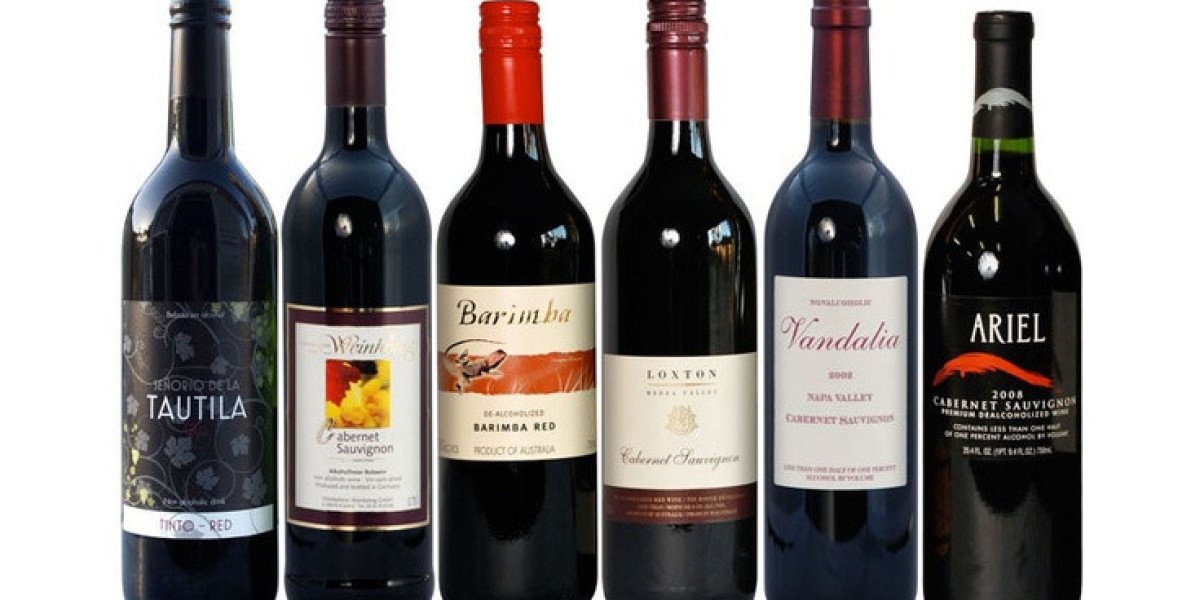

The way people enjoy wine is changing rapidly. Health awareness, lifestyle choices, and social preferences have driven strong demand for alternatives to traditional alcohol. Among these options, Non Alcoholic Wines have emerged as a sophisticated and flavorful choice for those who want the experience of wine without the effects of alcohol. Today, these wines are no longer seen as compromises but as premium beverages in their own right.
What Are Non Alcoholic Wines?
Non-alcoholic wine is produced using traditional winemaking methods, including fermentation, but the alcohol is later removed. This process preserves much of the wine’s original aroma, flavor profile, and structure. The final product typically contains less than 0.5% alcohol by volume, making it suitable for people who prefer to avoid alcohol entirely or reduce consumption.
Modern technology has significantly improved taste and quality, allowing these wines to resemble their alcoholic counterparts closely.
How Alcohol Is Removed from Wine
Several advanced techniques are used to remove alcohol while maintaining flavor integrity:
Vacuum Distillation
Alcohol is removed at lower temperatures, protecting delicate aromas and flavors.
Reverse Osmosis
Wine is filtered to separate alcohol molecules, then recombined with preserved flavor compounds.
Spinning Cone Column
A gentle method that separates alcohol while retaining volatile aromas.
Thanks to these methods, today’s alcohol-free wines offer complexity and balance that were difficult to achieve in the past.
Types of Non Alcoholic Wines Available
The variety available today rivals traditional wine selections:
Non-Alcoholic Red Wines
Made from grapes such as Cabernet Sauvignon, Merlot, and Pinot Noir, these wines offer deep flavors with notes of berries, oak, and spice.
Non-Alcoholic White Wines
Popular options include Chardonnay, Sauvignon Blanc, and Riesling, known for crisp acidity and refreshing profiles.
Non-Alcoholic Sparkling Wines
Often used for celebrations, these wines deliver elegance and festive bubbles without intoxication.
This wide range ensures there is an option for every palate and occasion.
Health Benefits of Choosing Alcohol-Free Wine
One of the biggest reasons people choose Non Alcoholic Wines is the health advantage. These benefits include:
Lower calorie content compared to traditional wine
No intoxication, supporting mental clarity and productivity
Reduced risk of liver and heart-related issues
Antioxidants such as polyphenols still present
Improved sleep quality and hydration
These wines are suitable for individuals managing weight, chronic conditions, or simply pursuing a healthier lifestyle.
Who Is Drinking Non Alcoholic Wines?
The audience for alcohol-free wine is diverse and growing:
Health-conscious consumers
Pregnant individuals
Designated drivers
Professionals avoiding alcohol for productivity
Religious or cultural abstainers
Social drinkers seeking moderation
This shift reflects a broader movement toward mindful consumption and balanced living.
Taste and Quality: How Close Are They to Regular Wine?
Earlier alcohol-free wines often lacked depth, but modern products have improved dramatically. Advances in production mean many options now offer:
Balanced acidity
Authentic mouthfeel
Layered aromas
Smooth finish
While some subtle differences remain, premium alcohol-free wines are now capable of satisfying even experienced wine drinkers.
Food Pairing with Non Alcoholic Wines
Just like traditional wines, alcohol-free versions pair beautifully with food:
Red varieties complement grilled vegetables, pasta, and hearty meals
White wines pair well with seafood, salads, and light dishes
Sparkling options enhance desserts, appetizers, and celebrations
Pairing correctly enhances both the wine and dining experience.
Non Alcoholic Wines in Social and Cultural Settings
Alcohol-free wine is becoming increasingly accepted at weddings, corporate events, and fine-dining establishments. Restaurants and bars now include alcohol-free wine lists to accommodate diverse preferences.
This inclusion supports social equality, ensuring everyone can participate without pressure to consume alcohol.
How to Choose a High-Quality Bottle
When selecting Non Alcoholic Wines, consider the following:
Reputable producers with traditional winemaking backgrounds
Clear labeling of alcohol content
Third-party quality testing
Natural ingredients with minimal additives
Flavor profiles aligned with personal taste
Reading reviews and trying small bottles first can help identify favorites.
Sustainability and the Future of Alcohol-Free Wine
Sustainability is also shaping this market. Many producers are adopting eco-friendly practices such as organic farming, reduced water use, and recyclable packaging.
As demand grows, innovation will continue, leading to better taste, broader availability, and premium positioning in the global beverage industry.
Conclusion
The rise of Non Alcoholic Wines reflects a powerful shift in how people view drinking, health, and social enjoyment. These wines offer taste, sophistication, and inclusivity without the downsides of alcohol. With expanding choices and improving quality, alcohol-free wine is no longer a niche product—it is a modern lifestyle essential.
Whether enjoyed at dinner, celebrations, or quiet evenings, non-alcoholic wine allows people to savor the moment while staying aligned with their wellness goals.