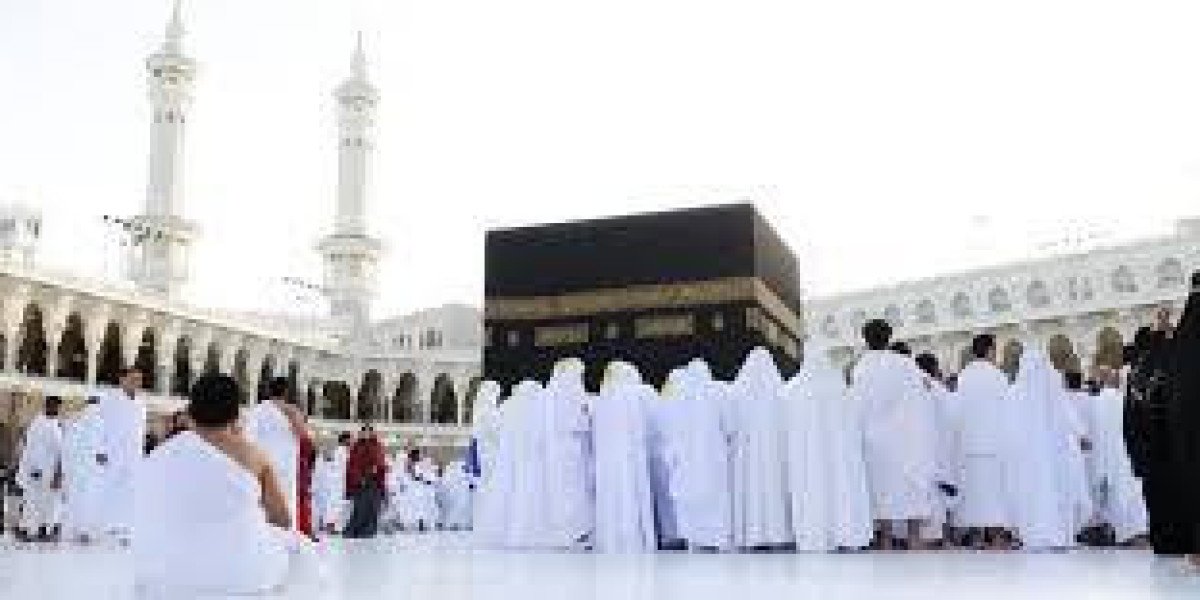

Undertaking Umrah during Ramadan 2026 is one of the most spiritually rewarding journeys a Muslim can embark upon. Combining the blessed month of Ramadan with the sacred rituals of Umrah amplifies the reward, making preparation — both physical and spiritual — essential. While logistics like flights, visas, and hotels are crucial, true fulfilment comes from preparing your heart, mind, and soul to fully engage in worship. This guide focuses on spiritual preparation, highlighting essential duas (supplications), Sunnahs, and acts of worship to maximize the blessings of your journey.
1. Understanding the Spiritual Significance of Ramadan Umrah
Ramadan is a month of mercy, forgiveness, and heightened spirituality. Performing Umrah during this month carries immense rewards:
- Forgiveness of sins: Prophet Muhammad (PBUH) said, “Umrah in Ramadan is equivalent to Hajj in terms of reward.”
- Enhanced supplication acceptance: Ramadan nights, particularly during the last ten days, are moments when duas are more likely to be accepted.
- Spiritual cleansing: The combination of fasting, extra prayers, and Umrah rituals purifies both the heart and body.
Recognising this significance will motivate intentional worship and mindfulness throughout your journey.
2. Preparing the Heart: Intentions and Mindset
Before departing for Ramadan Umrah 2026, spiritual preparation begins with niyyah (intention). Reflect on why you are undertaking this pilgrimage and set a goal for your spiritual growth:
- Purify your intention: Focus solely on pleasing Allah, not social recognition or personal bragging rights.
- Resolve to maintain consistency: Plan to pray all fard (obligatory) and Sunnah prayers, maintain Qur’an recitation, and avoid negligence during travel.
- Seek forgiveness in advance: Engage in istighfar (asking Allah for forgiveness) to start your journey with a clean slate.
This mindset ensures your rituals are heartfelt rather than mechanical, amplifying spiritual rewards.
3. Essential Duas Before and During Umrah
Duas are the bridge between the worshipper and Allah. Preparing them in advance will allow you to pray with focus and humility, even amidst the bustle of Ramadan crowds.
Pre-Travel Duas
- For travel safety:
“Allahumma inni a’udhu bika min wa’tha’ il-safar wa kaabatil-manzar wa su’il-munqalib fil-mali wal-ahli wal-walad.”
Translation: “O Allah! I seek refuge in You from the hardships of travel, from having a bad view, and from an ill end in wealth, family, and children.” - For a blessed journey:
“Subhanalladhi sakhkhara lana hadha wama kunna lahu muqrinin wa inna ila rabbina lamunqalibun.”
Translation: “Glory be to Him who has subjected this (travel) to us, and we could never have done it ourselves. Surely, to our Lord we are returning.”
During Ihram
When entering Ihram, recite:
- “Labbayka Allahumma Umrah”
Translation: “Here I am, O Allah, for performing Umrah.” - Focus on Talbiyah: “Labbayka Allahumma labbayk, labbayka la shareeka laka labbayk. Innal-hamda wan-ni’mata laka wal-mulk, la shareeka lak.”
Repeat frequently during the journey and Tawaf to increase devotion.
During Tawaf and Sa’i
- Personal supplications: Raise hands and sincerely ask for forgiveness, guidance, and personal needs.
- Recommended duas include “Rabbighfir li” (O my Lord, forgive me), and “Rabbana atina fid-dunya hasanatan wa fil-akhirati hasanatan” (Our Lord, grant us good in this world and in the Hereafter).
Night Prayers (Tahajjud) and Ramadan Duas
- Use the last ten nights of Ramadan in Masjid al-Haram for extra worship.
- Duas can include seeking forgiveness for family, health, wealth, and strengthening iman (faith).
- Recite Ayat al-Kursi and the last two verses of Surah Al-Baqarah for protection and blessings.
4. Sunnahs to Observe During Ramadan Umrah
Observing Sunnah acts enhances the spiritual experience and multiplies rewards.
Fasting and Iftar
- Fast the entire month of Ramadan; if travel disrupts fasting, make intentions accordingly and compensate as required.
- Break fast (Iftar) with dates and water in line with Sunnah.
- Recite Bismillah before eating and Alhamdulillah after.
Prayer and Taraweeh
- Perform five daily prayers punctually.
- Join Taraweeh at Masjid al-Haram for the immense reward and spiritual ambiance.
- Observe Qiyam al-Layl (night prayers), particularly during the last ten nights.
Charity and Acts of Kindness
- Engage in sadaqah (voluntary charity), even small acts, like helping fellow pilgrims, sharing Zamzam water, or providing food.
- These acts align with the Sunnah and increase the spiritual benefits of Umrah.
Dhikr and Qur’an Recitation
- Dedicate time for dhikr (remembrance of Allah) throughout the day.
- Recite or listen to the Qur’an regularly; the Haram environment offers inspiration and focus.
- Recommended dhikr: SubhanAllah, Alhamdulillah, Allahu Akbar, repeated in moderation and with mindfulness.
5. Acts of Worship Specific to Masjid al-Haram and Masjid an-Nabawi
Maximising your time in the sacred mosques during Ramadan 2026 enhances spiritual reward.
Masjid al-Haram (Makkah)
- Perform Tawaf al-Qudum upon arrival and Tawaf al-Umrah with devotion.
- Engage in Sa’i between Safa and Marwa as Sunnah.
- Spend quiet moments in supplication, especially in Maqam Ibrahim and near the Kaaba.
Masjid an-Nabawi (Madinah)
- Offer prayers in the Rawdah, regarded as one of the gardens of Paradise.
- Visit Jannat al-Baqi for reflection and du’as for the deceased.
- Engage in extra Qur’an recitation and reflection in the tranquil environment.
6. Mental and Emotional Preparation
Umrah in Ramadan can be physically and mentally demanding due to fasting, long walks, and crowded conditions. Spiritual preparation includes:
- Patience and humility: Expect delays, large crowds, and long queues; practice sabr (patience).
- Focus on intention: Keep worship the priority, not personal comfort or social interaction.
- Mindfulness in rituals: Concentrate fully during Tawaf, Sa’i, and prayer, avoiding distraction.
- Reflective journaling: Maintain a small journal to write down experiences, duas, and spiritual insights for post-Umrah reflection.
7. Practical Tips to Enhance Spiritual Readiness
- Memorize key duas and phrases for Ihram, Tawaf, and Sa’i.
- Set personal goals: for example, completing a portion of the Qur’an, specific dua frequency, or extra prayers.
- Hydrate and manage fasting energy to maintain focus.
- Use quiet time during travel for dhikr and Qur’an listening.
- Avoid unnecessary distractions like social media during sacred moments.
8. Post-Umrah Spiritual Continuation
Ramadan Umrah is a gateway to lasting spiritual growth. Post-Umrah, implement these steps:
- Maintain regular dhikr and Qur’an recitation, recalling lessons learned.
- Continue charitable habits initiated during the pilgrimage.
- Share the spiritual experience with family and community to inspire others.
- Reflect on personal growth, and strive to carry the discipline of Ramadan beyond the pilgrimage.
Conclusion
Spiritual preparation is the cornerstone of a rewarding Ramadan Umrah 2026. By focusing on duas, Sunnahs, and acts of worship, pilgrims can maximise both the immediate spiritual benefits and the long-term transformation of heart and mind. Intentional preparation — from setting pure intentions, memorising key supplications, observing Sunnahs, to practising patience and mindfulness — ensures that every step taken in Makkah and Madinah becomes an act of profound worship.
Ramadan Umrah is not merely a physical journey; it is a journey of the heart. Through careful spiritual preparation, pilgrims can ensure that their pilgrimage is memorable, spiritually fulfilling, and transformative, leaving them with an elevated sense of closeness to Allah and lifelong inspiration for worship and reflection.