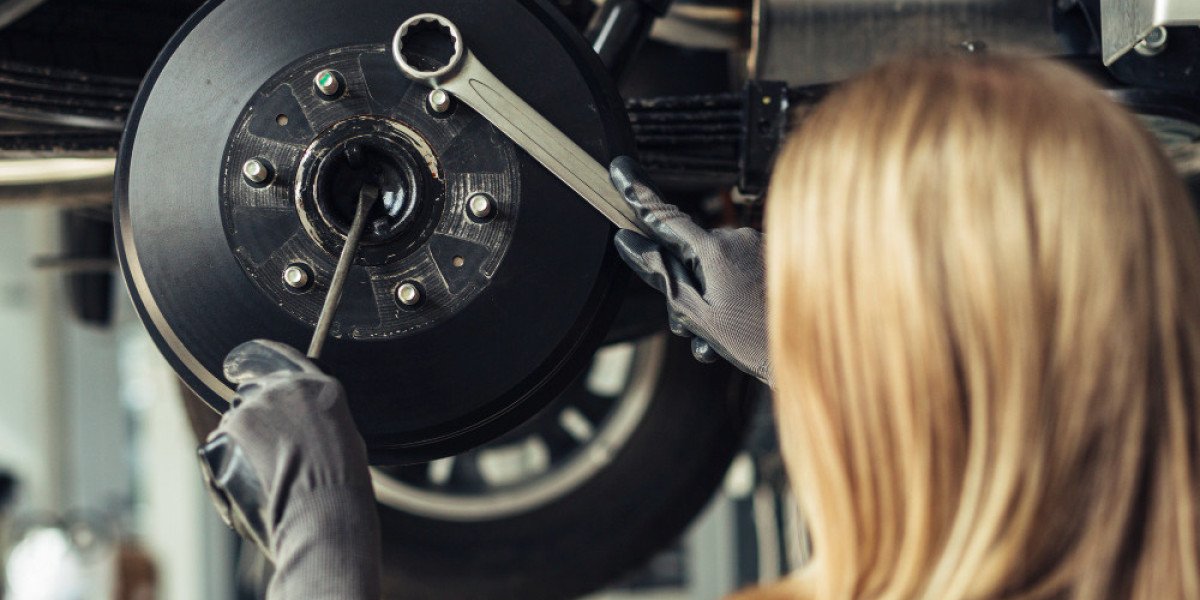

Drivers and fleet managers often ignore early signs of wheel noise, rough steering, or uneven tire wear—until the problem turns into a costly repair. In most cases, these issues trace back to a worn-out hub bearing, a core component responsible for wheel stability, smooth rotation, and safe handling. When this part begins to fail, it affects not just driving comfort but overall vehicle safety and performance.
A high-quality hub bearing is essential for maintaining proper wheel alignment, load support, and noise-free operation. And for businesses, technicians, and vehicle owners, choosing the right hub assembly can mean the difference between efficient uptime and unexpected breakdowns.
What Makes the Hub Bearing So Important?
A hub bearing is engineered to support the vehicle’s weight while ensuring the wheel rotates smoothly at high speeds. It integrates the bearing, hub, and mounting components into one assembly, delivering:
Stable wheel rotation
Noise-free driving
Accurate ABS signal feedback
Consistent steering response
Improved vehicle safety
Without a reliable hub bearing, the vehicle’s handling becomes unpredictable, potentially leading to dangerous driving conditions.
Common Pain Points Caused by a Failing Hub Bearing
1. Persistent Wheel Noise
One of the earliest red flags is a humming or grinding sound coming from the wheel area. This noise increases with speed and can become unbearable if ignored.
2. Steering Wheel Vibration
When the hub bearing wears out, the wheel loses balance and transmits vibration up through the steering column—impacting control and comfort.
3. Uneven Tire Wear
A worn bearing affects wheel alignment, causing rapid and uneven tire damage. This increases operating costs for both individual drivers and fleet owners.
4. ABS Malfunctions
Modern hub assemblies often contain ABS sensors. A failing bearing disrupts the sensor signal, triggering warning lights and reducing braking efficiency.
5. Increased Fuel Consumption
Damaged bearings create unnecessary friction, forcing the engine to work harder and burn more fuel.
Why Low-Quality Hub Bearings Are a Major Risk
Choosing cheap or poorly manufactured components may seem like a cost-saving option, but it often leads to greater long-term expenses. Low-quality hub bearings tend to cause:
Premature breakdown
Excess wheel play
Poor heat resistance
Increased braking distance
Reduced load-carrying capacity
For vehicles operating in demanding environments—heavy loads, long distances, uneven roads—premium-grade bearings are essential to maintain performance and safety.
Industries and Applications That Depend on Reliable Hub Bearings
Hub bearings are critical in:
Passenger vehicles
Heavy-duty trucks
Commercial fleets
Construction machinery
Agricultural vehicles
Any industry that relies on consistent vehicle uptime cannot afford bearing-related failures. A single hub assembly malfunction can disrupt operations, reduce productivity, and cause significant financial loss.
How a High-Quality Hub Bearing Improves Performance
1. Enhanced Stability and Safety
Premium hub bearings ensure accurate wheel alignment and dependable support, reducing the risk of accidents.
2. Quieter, Smoother Driving
Precision engineering minimizes friction, eliminating grinding and humming noises.
3. Longer Lifespan
High-quality materials, advanced sealing, and improved lubrication retention significantly extend operational durability.
4. Greater Resistance Under Heavy Loads
For vehicles carrying high weight, robust bearings prevent overheating, fatigue, and sudden failures.
5. Reduced Maintenance Costs
Reliable hub bearings minimize frequent inspections, part replacements, and emergency repairs.
Conclusion
Ignoring the early symptoms of hub bearing failure can lead to severe safety risks, expensive repairs, and operational downtime. By choosing a premium hub bearing, drivers and fleet managers can ensure smoother performance, increased fuel efficiency, and long-lasting wheel system protection.