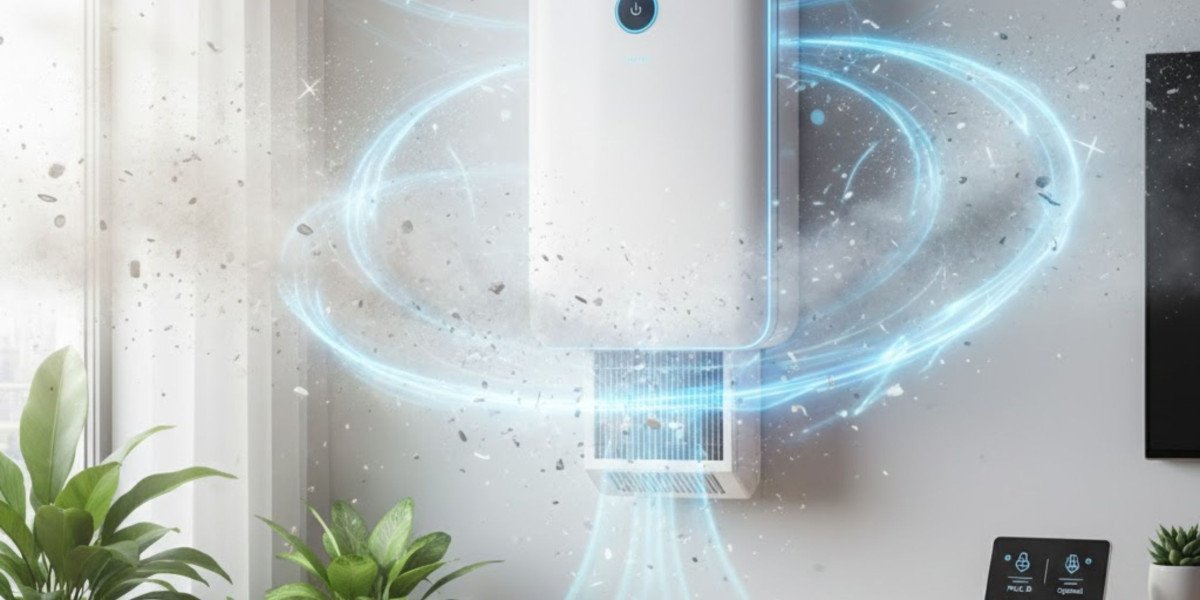

Indoor air quality has become a major concern for homeowners today, especially as people spend more time indoors and want cleaner, safer air. In many homes, hvac equipment plays a vital role in keeping the air fresh, filtered, and healthy. This guide explores how HVAC systems improve indoor air quality, what features matter most, and how homeowners can maintain cleaner indoor environments with the help of trusted providers like The AC Outlet.
Indoor Air Quality and Why It Matters
Indoor air quality affects every part of daily life, from breathing comfort to long-term health. Poor air quality can lead to allergies, headaches, asthma issues, or simply an uncomfortable living environment.
Common Sources of Indoor Air Pollution
Homes can trap pollutants without anyone realizing it. Some common contributors include:
• Dust and dirt
• Pet dander
• Mold spores
• Bacteria and viruses
• Chemical fumes from cleaners
• Smoke
• Outdoor pollutants entering through gaps
As homes become more energy-efficient, they also become more sealed, which means pollutants stay inside unless proper ventilation and hvac equipment handle them. This is why well-functioning HVAC systems matter so much.
How HVAC Equipment Helps Improve Indoor Air Quality
Modern HVAC systems do much more than control temperature. They work constantly behind the scenes to filter air, remove contaminants, balance humidity, and push clean air into every room.
Filtering Air to Remove Pollutants
One of the strongest contributions of HVAC systems is their filtering capability. Every time air moves through the system, it passes through filters that trap harmful particles.
Reducing Humidity for Healthier Air
High humidity creates conditions where mold, dust mites, and bacteria grow quickly. HVAC equipment helps maintain a balanced humidity level, preventing moisture buildup inside a home.
Ventilating Stale Indoor Air
Without ventilation, indoor air becomes stagnant and polluted. HVAC systems bring in fresh outdoor air while removing stale air from inside, keeping air quality balanced.
How Air Filters in HVAC Equipment Improve Indoor Air Quality
Air filters act as the first line of defense. When a system pulls in air, filters capture pollutants before they circulate back into the home.
Types of HVAC Filters
There are several filter types, each offering different benefits:
• Fiberglass filters – Basic, low-cost, but minimal filtration
• Pleated filters – Better airflow and improved filtration
• HEPA filters – Capture very fine particles, ideal for allergies
• Electrostatic filters – Use static electricity to attract particles
• Carbon filters – Remove odors and chemical vapors
What Makes High-Quality Filters Effective?
A good filter has dense materials that trap small particles without restricting airflow. When filters become dirty, they lose effectiveness, which is why regular replacement is essential.
How Often Filters Should Be Replaced
Most filters need changing every one to three months. Homes with pets, smoke, or high dust levels may need more frequent changes. The AC Outlet recommends checking filters monthly to maintain proper air quality.
The Role of HVAC Ventilation Systems
Ventilation systems help pull in outdoor air and push out pollutants trapped inside the home. Without this circulation, the indoor environment becomes stale.
Why Ventilation Matters
Ventilation reduces concentration levels of:
• Dust
• Odors
• Chemicals
• Moisture
• Smoke
Homes with poor ventilation often experience excess humidity, mold growth, and lingering odors.
Types of HVAC Ventilation Systems
There are two main types:
• Mechanical ventilation – Uses fans and ducts to move air
• Natural ventilation – Uses windows, vents, or openings
Mechanical ventilation is more reliable because it provides consistent airflow, even when windows remain closed.
How The AC Outlet Helps Homeowners Improve Ventilation
The AC Outlet assesses home airflow and recommends HVAC upgrades that support better ventilation. They ensure the right balance between clean incoming air and safe removal of stale air.
Humidity Control and Its Impact on Indoor Air Quality
Humidity levels affect both comfort and health. Too much moisture encourages mold, while too little creates dry air that irritates the throat and skin.
How HVAC Systems Control Humidity
HVAC equipment, especially air conditioners and heat pumps, naturally removes moisture as part of their cooling process. Dehumidifiers can also be added to systems for extra moisture control.
Benefits of Balanced Humidity
Proper humidity levels help:
• Prevent mold and mildew
• Reduce dust mites
• Improve breathing comfort
• Protect furniture and walls
• Create a comfortable indoor climate
Ideal Humidity Range for Homes
Most experts recommend keeping indoor humidity between 30% and 50%. HVAC systems make this easier by constantly circulating air and adjusting moisture levels.
Air Purifiers and Their Role in HVAC Systems
Many homeowners add air purifiers to their HVAC systems for enhanced filtration. These devices remove even smaller particles that basic filters might miss.
Types of Air Purification Technologies
Several technologies work with hvac equipment to improve air quality:
• UV-C light purifiers – Kill bacteria, viruses, and mold spores
• Ionization systems – Charge particles so they stick to surfaces or filters
• Activated carbon filters – Remove odors and chemical fumes
• HEPA systems – Capture microscopic particles
Why Add Purifiers to HVAC Systems?
Air purifiers help with:
• Allergy relief
• Odor reduction
• Removal of fine pollutants
• Cleaner air circulation
Homeowners who live in polluted cities, have pets, or have health concerns benefit greatly from these additions.
How Ductwork Affects Indoor Air Quality
Ducts play a big role in how well clean air moves throughout the home. Even with a good system, dirty or leaky ducts can spread pollutants.
Common Problems With Ductwork
Some issues that affect air quality include:
• Dust buildup
• Mold inside ducts
• Leaks that pull in dirty attic or crawl space air
• Poor insulation
Benefits of Clean Ductwork
Clean ducts help maintain:
• Better airflow
• Higher energy efficiency
• Cleaner indoor air
• Fewer allergens
The AC Outlet offers inspections that help homeowners identify duct problems and improve air quality.
Smart HVAC Equipment and Advanced IAQ Features
Modern HVAC systems come with advanced technology that continuously monitors and improves air quality.
Smart Sensors and IAQ Monitoring
Many systems now track:
• Humidity levels
• Airflow
• Filter condition
• Temperature patterns
These sensors help homeowners maintain healthier air without guessing.
Variable-Speed Motors
Variable-speed HVAC systems adjust airflow based on need, ensuring constant filtration and comfort. They don’t turn on and off as frequently, which helps maintain more stable air quality.
Energy Efficiency Benefits
Better air quality doesn’t have to increase energy costs. Modern systems filter and ventilate efficiently, reducing strain on the system.
Maintenance Tips to Keep Indoor Air Quality Healthy
Keeping HVAC equipment in good shape is essential for maintaining clean air.
Regular Filter Changes
Filters should never be neglected. Dirty filters reduce system efficiency and allow pollutants to spread.
Seasonal Tune-Ups
Technicians from The AC Outlet can check:
• Coils
• Motors
• Airflow
• Duct condition
• Electrical components
A simple tune-up can prevent many air quality issues.
Cleaning Vents and Registers
Dust quickly gathers on vents. Cleaning them regularly prevents buildup that spreads into the air.
Keeping Outdoor Units Clear
Leaves, dirt, and debris around outdoor units reduce airflow, forcing the system to work harder.
Upgrading Older HVAC Systems
Older systems often lack the ability to filter or ventilate well. Upgrading to modern equipment helps improve both comfort and air quality.
How The AC Outlet Helps Homeowners Improve Indoor Air Quality
The AC Outlet offers HVAC services that directly support healthier indoor air. Their team provides recommendations based on a home's unique needs.
Services Offered by The AC Outlet
Homeowners rely on the company for:
• System installations
• Repairs
• Filter upgrades
• Duct inspections
• Air purifier add-ons
• Full indoor air quality assessments
Why Homeowners Trust The AC Outlet
The company focuses on reliable service, expert knowledge, and long-term solutions that create cleaner, safer homes.
Conclusion
Improving indoor air quality requires more than simple ventilation or basic filtering. HVAC equipment plays an essential role in creating healthier environments by filtering pollutants, controlling moisture, improving airflow, and maintaining consistent comfort. Homeowners who want cleaner air benefit from using modern systems, replacing filters regularly, and ensuring ducts and ventilation work properly. In many cases, expert guidance from professionals like The AC Outlet helps homeowners choose the right hvac equipment and maintain long-term indoor air quality. From a third-person perspective, it is clear that homes with dependable HVAC systems experience better air circulation, fewer pollutants, and more comfortable living conditions year-round.
Here, you can find more articles.