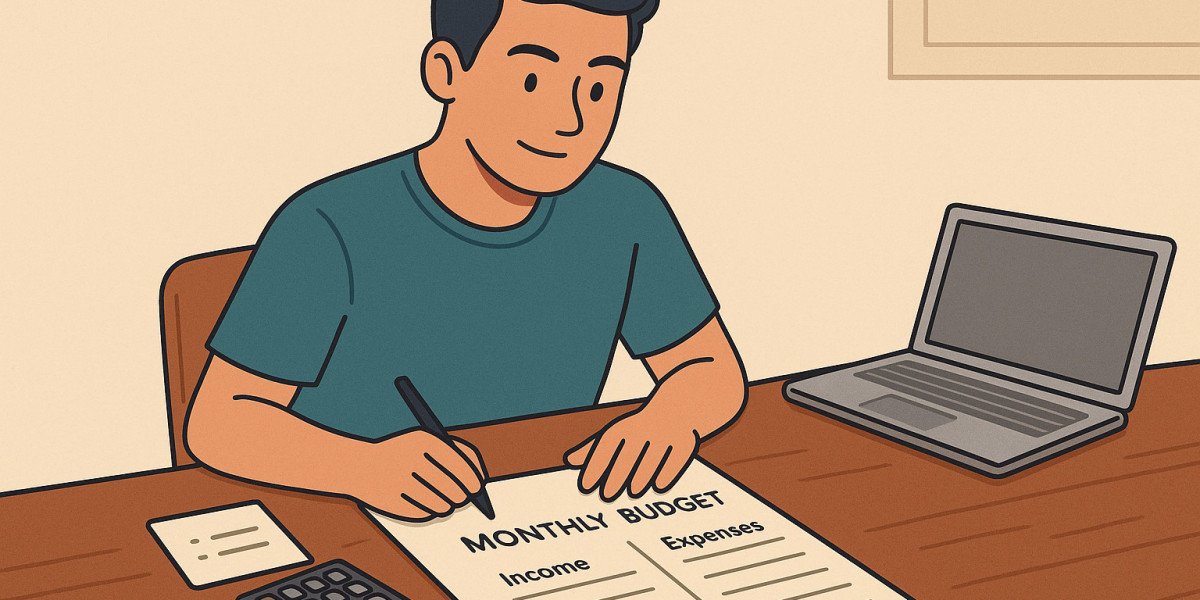

Managing money is not just about cutting costs. It is about using your income in a way that supports the life you want. This guide walks you through each step so you can create a budget you will actually follow.
What Sticking to a Budget Really Means
Sticking to a budget does not mean you never spend on fun things.
It means:
- You know where your money goes
- Your spending matches your priorities
- You can handle bills without stress
Think of your budget as a simple plan for your money, not a punishment. When the plan is realistic, it is much easier to follow.
Start With Money In and Money Out
List all your income.
Write down every source of money you receive in a month: salary, side gigs, benefits, or commissions.
If you are paid a salary and want to see what that looks like per hour, it helps to break it down. You can use an online hourly wage calculator to understand the real value of each working hour and make smarter spending choices.
List all your fixed costs.
These are payments that stay almost the same every month:
- Rent or mortgage
- Utility bills
- Loan or credit card payments
- Subscriptions
List your flexible spending.
These change every week:
- Groceries and eating out
- Transport and fuel
- Shopping and personal care
- Entertainment and gifts
Once you see everything in one place, you can spot where your money leaks away.
Set Budget Goals That Matter to You
Budgeting is easier when it is linked to goals you care about.
- Short-term goals: paying off a small debt, saving for a trip, and building a small emergency fund.
- Long-term goals: clearing all debt, saving for a home, and building retirement savings.
Turn each goal into a number and a date.
Example: “I want £300 saved for emergencies in the next three months.”
Now your budget has a clear purpose, not just limits.
Build a Budget That Fits Your Life
A budget works only if it feels realistic.
- Start with your income total.
- Subtract fixed costs.
- Decide how much goes to goals (savings, debt).
- Whatever is left is your flexible spending.
You can then split flexible spending into simple categories:
- Food
- Transport
- Fun and social
- Miscellaneous
Do not make too many categories. Simple is easier to track and follow.
Make Everyday Spending Easier to Control
You do not need extreme rules. Small habits make a big difference:
- Plan meals so you buy what you will actually use
- Take a list when shopping to avoid random items
- Give yourself a weekly “fun money” amount and stick to it
- Wait 24 hours before buying non-essential items online
These simple limits protect your budget without making you feel trapped.
Use Simple Tools to Stay on Track
You can use whatever suits you best:
- A notebook and a pen
- A basic spreadsheet
- A budgeting app
The tool is not as important as using it regularly. Pick one method and commit to updating it a few times a week. Seeing your numbers often keeps your budget alive in your mind.
Do Quick Weekly and Monthly Check-Ins
Weekly check (10 minutes):
- Look at your spending in each category
- See if you are close to your limits
- Adjust the coming week (spend less on one thing if you overspent on another)
Monthly check (20–30 minutes):
- Compare your planned budget to what actually happened
- Notice patterns: where did you overspend, where did you do well?
- Update your limits and goals for the new month.
These check-ins are where real progress happens.
Handle Emergencies Without Giving Up
Unexpected costs will still appear: repairs, medical bills, and family needs. Instead of giving up on your budget:
- Use your emergency fund if you have one
- Cut back on non-essential spending for a few weeks
- Adjust next month’s plan to get back on track
One bad month does not mean your budget failed. It just means you adjust and continue.
Mindset Shifts That Make Budgeting Easier
A few mental shifts can make sticking to a budget feel lighter:
- Replace “I can’t afford it” with “It’s not in my plan this month.”
- See each saved pound as a step toward freedom, not as a loss
- Focus on progress, not perfection
Reward yourself when you hit milestones, but keep the reward small and planned. That keeps motivation high without breaking your budget.
A Short Example of a Realistic Budget
Imagine someone earning £2,000 per month after tax.
- Fixed costs: £1,000
- Goals (savings and debt): £300
- Flexible spending: £700
They might split flexible spending like this:
- Food: £250
- Transport: £150
- Fun and social: £200
- Miscellaneous: £100
Every month, they review and make small changes. Over time, their savings grow, and their debt falls. The budget becomes a normal part of life, not a short-term challenge.
Conclusion
Sticking to a budget is a skill you build step by step:
- Know your income and expenses
- Set clear goals
- Create a simple, realistic plan
- Follow it with weekly and monthly check-ins
When your budget reflects your real life and your real priorities, it becomes much easier to follow and support the future you want.