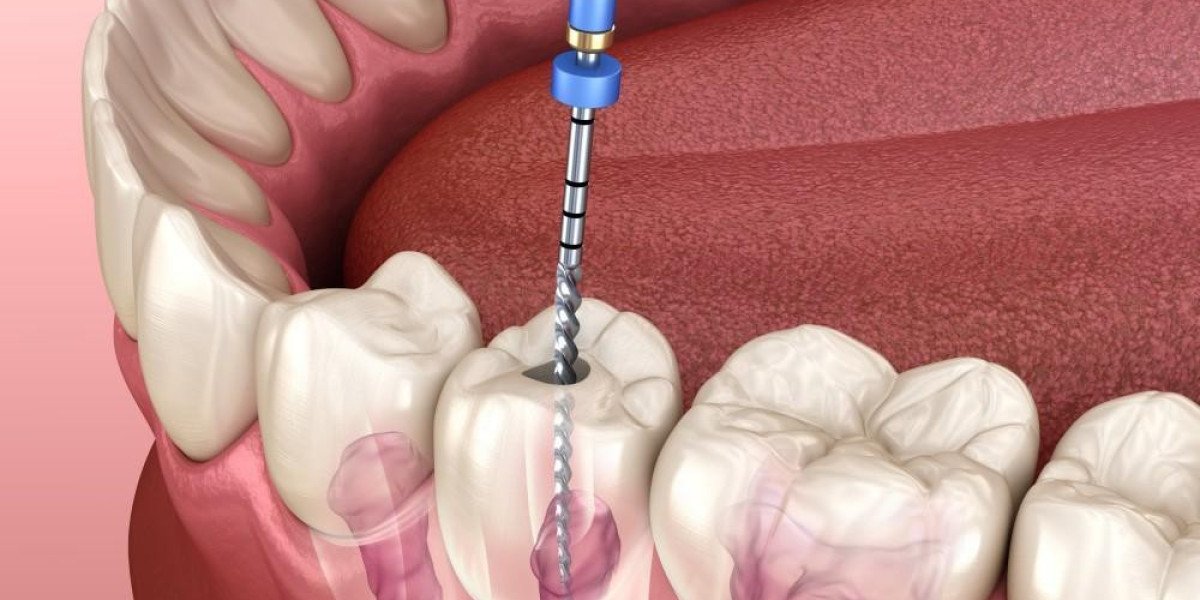

Understanding why your teeth hurt when you’re sick can help you reduce the pain, protect your oral health, and ensure your recovery is smoother and more comfortable. This guide explains every possible reason, how to manage symptoms, and when to contact a dentist.
How Illness Triggers Tooth Pain
Before diving into the different reasons, it’s helpful to understand that your sinuses, immune system, and mouth are closely connected anatomically and biologically. Even mild illnesses can affect the pressure in your face or the sensitivity of your nerves.
Below are the most common causes of tooth pain when you're sick.
Sinus Pressure and Tooth Sensitivity
Your upper back teeth sit very close to the maxillary sinuses. When these sinuses become inflamed due to a cold, flu, or sinus infection, swelling increases the pressure inside the cavities. This pressure pushes downward onto the tooth roots, causing dull or throbbing pain.
Many people confuse this discomfort with dental decay, but it usually intensifies when you bend forward, lie down, or breathe through a congested nose.
Inflammation From Viral and Bacterial Illness
Any time your body is fighting a virus or bacteria, inflammation increases throughout your system. This inflammation can heighten sensitivity in the nerves of your teeth and gums.
Even minor gum inflammation can cause noticeable discomfort when paired with fever or dehydration.
Mouth Breathing and Dryness
Congestion makes it difficult to breathe through your nose, forcing you to rely on mouth breathing. This dries out your mouth quickly, reducing saliva—the natural protector of enamel and gums.
A dry mouth makes your teeth feel more sensitive, increases acidity, and may even worsen any pre-existing dental issues.
How Your Habits Change When You’re Sick
Being sick throws off your routine. Eating patterns shift, hydration levels drop, and oral hygiene often takes a back seat. Each of these changes can impact your teeth more than you realize.
Dehydration and Thickened Mucus
Fever, medication, and reduced appetite commonly lead to dehydration. This results in thicker mucus, a drier mouth, and increased bacterial growth. Dehydration also limits your body’s ability to flush toxins, sometimes intensifying oral inflammation.
Acidic Foods and Drinks
Many people consume citrus drinks, herbal teas with lemon, or carbonated beverages when sick. While comforting, their acidity can soften enamel and increase tooth sensitivity.
If your enamel is weakened even slightly, the pressure from coughing and sinus inflammation feels much stronger.
Increased Sugar Intake
Cough drops, syrups, and wellness beverages often contain sugar. In combination with a dry mouth, this sugar sticks to the teeth for longer periods, increasing the risk of irritation and discomfort.
Even “sugar-free” drops can be acidic enough to irritate your enamel.
When Sickness Makes Pre-Existing Problems Worse
Sometimes, tooth pain during illness is actually your body revealing problems that were already developing but hadn’t yet caused symptoms. This is where Dental Advice Today often emphasizes the importance of regular checkups, because hidden dental issues can flare up unexpectedly when you’re sick.
Hidden Cavities Become More Sensitive
A small cavity may not hurt under normal conditions, but add sinus pressure, dehydration, and acidic foods, and suddenly that tiny cavity becomes extremely sensitive.
This makes many people assume their sudden toothache is purely from illness when it’s actually a combination of sickness and underlying decay.
Gum Disease Symptoms Intensify
Gingivitis or early gum disease can worsen because illness weakens the immune system. Your gums may swell, bleed, or feel tender, causing a “sore tooth” sensation even if the tooth itself is healthy.
Grinding Teeth When Stressed or Congested
If nasal blockage makes it difficult to breathe at night, you may clench or grind your teeth while sleeping. Stress from illness also increases this habit.
Grinding puts significant pressure on the jaw joint and teeth, often causing soreness radiating to multiple teeth.
Different Illnesses and How They Affect Your Teeth
Not every sickness affects your mouth in the same way. Here’s how common conditions trigger specific types of tooth pain.
Cold and Flu
These illnesses typically cause sinus congestion and inflammation. Tooth pain is often dull, throbbing, or felt in multiple upper teeth.
Fever can also make nerves more sensitive.
Sinus Infection
A sinus infection creates intense pressure around the cheeks, forehead, and behind the eyes. The pain tends to localize in the upper molars and can feel severe, often worse when leaning forward.
Strep Throat
Though primarily a throat infection, strep causes significant inflammation in the mouth, neck, and lymph nodes. Some people feel referred pain in their molars or jaw during swallowing or talking.
COVID-19
COVID often leads to dry mouth, sinus swelling, and changes in breathing. Some patients experience temporary tooth sensitivity or jaw discomfort during the infection.
How to Reduce Tooth Pain When You’re Sick
Thankfully, several remedies can help relieve discomfort and protect your teeth throughout your illness.
Stay Hydrated
Drinking water keeps your sinuses moist, reduces inflammation, and prevents dry mouth. Hydration also supports your immune system, helping you recover faster and with less discomfort.
Use Warm Compresses
A warm compress over the cheeks or forehead helps relieve sinus pressure. Reducing inflammation around the sinus cavities can dramatically ease tooth pain.
Maintain Gentle Oral Hygiene
Even when exhausted, brush your teeth twice daily and floss at least once.
Use a soft-bristled toothbrush and avoid brushing your teeth right after consuming acidic foods or drinks.
Additional At-Home Relief Options
If your tooth pain persists or intensifies while you're sick, these additional methods can help until you recover.
Try a Humidifier
Humidifiers add moisture to the air, preventing mouth dryness and easing sinus congestion. This can significantly reduce tooth sensitivity.
Choose Sugar-Free Medication Options
Opt for sugar-free cough drops, syrups, and lozenges whenever possible.
Sugar-free products reduce the risk of cavity irritation and enamel erosion.
Rinse With Warm Saltwater
Warm saltwater reduces bacteria, soothes inflamed tissues, and keeps your mouth clean when brushing feels uncomfortable.
When Tooth Pain Means You May Need a Dentist
Although tooth pain during illness is usually temporary, certain symptoms indicate that something more serious may be occurring.
Pain Lasts Longer Than the Illness
If your tooth pain continues after your cold or sinus infection clears, the cause may be a cavity, cracked tooth, or gum disease.
Severe Pain in a Single Tooth
Sinus-related discomfort typically affects multiple teeth. Sharp, intense pain in one specific tooth may indicate decay or infection.
Swelling or Foul Taste
These symptoms often signal an abscess or advanced dental issue needing urgent care.
How to Prevent Tooth Pain During Future Illnesses
You can reduce the chances of tooth discomfort the next time you’re sick by developing consistent habits that protect your oral and sinus health.
Keep Sinuses Healthy
Use saline sprays, stay hydrated, and treat allergies promptly.
Clear sinuses mean less pressure on the roots of your teeth.
Practice Strong Daily Oral Care
Brush, floss, and use antibacterial mouthwash regularly.
Healthy gums and teeth are less likely to become sensitive or painful during illness.
Visit the Dentist Regularly
Routine checkups catch cavities, gum problems, or cracked teeth early—before illness exposes them and causes discomfort.
FAQs
Q: Why do only my upper teeth hurt when I’m sick?
A: Upper teeth sit closest to the sinuses. When congestion increases pressure, it presses against the tooth roots, creating the sensation of a toothache.
Q: How can I tell if my tooth pain is from sinuses or a real dental issue?
A: Sinus pain affects several teeth, gets worse when bending forward, and often comes with congestion. Pain from dental problems usually targets one tooth and may include swelling or sensitivity to temperature.
Q: Should I wait until I recover from illness before seeing a dentist?
A: If your pain is mild and seems related to congestion, you can monitor it. But if the pain is severe, localized to one tooth, or accompanied by swelling, contact a dentist even if you're still sick.
Conclusion
Tooth pain when you’re sick is more common than most people realize, and it often results from a mix of sinus pressure, inflammation, dehydration, and changes in daily habits. While most discomfort fades as you recover, persistent or severe pain can signal an underlying dental condition that deserves attention.
By understanding how illness affects your teeth and taking simple steps to reduce discomfort, you can make your recovery period far smoother—and protect your long-term oral health.
If you experience ongoing tooth sensitivity after your illness clears, don’t ignore it. A professional evaluation can help ensure your teeth remain strong and healthy no matter what seasonal sickness comes your way.