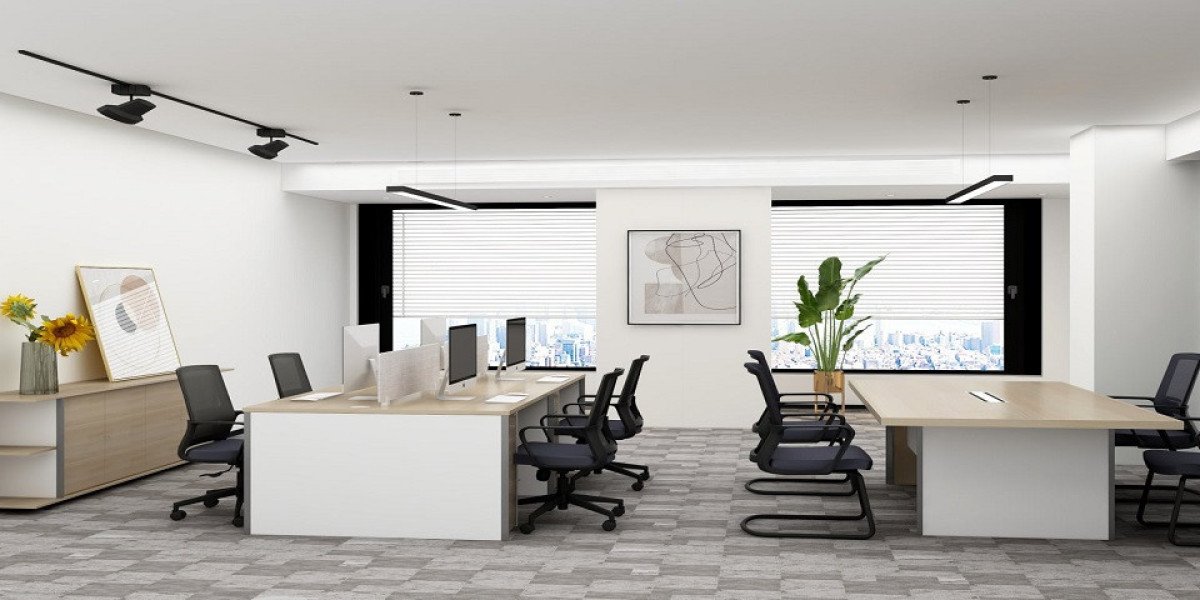

Office Furniture Setup Services in Pune: A Complete Guide to Modern Workplace Planning
A well-organised office requires more than attractive furniture and decorative interiors. Every workspace needs a practical arrangement that supports employee comfort, daily operations, collaboration, and efficient use of available space. Selecting suitable furniture and planning its placement are important steps in creating a productive working environment. Businesses exploring office furniture setup services in Pune 2026 should understand how furniture selection, workspace measurements, ergonomics, and installation contribute to the overall functionality of an office.
Pune has developed into an important centre for information technology, manufacturing, education, healthcare, and commercial activities. As organisations expand, their workplace requirements also change. New offices need carefully planned furniture arrangements, while existing workplaces may require modifications to accommodate additional employees, equipment, and departments.
Understanding Office Furniture Setup Requirements
Office furniture setup involves identifying workplace requirements, selecting suitable furniture, planning layouts, and arranging different components according to the available space.
The process generally begins with understanding how an office operates. For example, an IT company may require individual workstations, meeting rooms, discussion areas, server-related storage, and management cabins. A consultancy office may need reception furniture, visitor seating, executive desks, and document storage.
Understanding these requirements before purchasing furniture helps prevent unnecessary expenses and inefficient arrangements.
A proper furniture plan should consider employee numbers, department requirements, equipment dimensions, storage needs, movement areas, and future expansion possibilities.
Different Types of Furniture Required in Modern Offices
Commercial workplaces require different furniture categories depending on their activities.
1. Modular Office Workstations
Modular workstations provide organised working spaces for employees. They can include desks, partitions, drawers, cable management systems, and shared storage units.
Their configurations can be adjusted according to team size and available floor space. Open workstation arrangements are commonly used in offices where employees need to communicate and collaborate regularly.
2. Executive Office Furniture
Management cabins often require desks, ergonomic chairs, storage cabinets, and visitor seating. Furniture dimensions should complement the room layout without restricting movement.
The arrangement should provide sufficient space for computer equipment, documents, and meetings.
3. Conference and Meeting Room Furniture
Meeting rooms need tables and chairs that support discussions, presentations, and collaborative activities.
Conference tables should be selected according to participant numbers and room dimensions. Electrical connections, display screens, and presentation equipment should also be considered during planning.
4. Reception and Waiting Area Furniture
Reception areas create the first physical interaction between visitors and an organisation. Reception counters, waiting chairs, sofas, and storage units should be arranged to maintain accessibility and an organised appearance.
5. Office Storage Solutions
Storage furniture helps employees organise documents, stationery, equipment, and other workplace materials. Filing cabinets, shelves, drawers, and modular storage systems can reduce clutter and improve accessibility.
Importance of Ergonomics in Office Furniture Planning
Employee comfort is an important consideration when selecting office furniture. Employees who spend several hours working at desks require suitable seating arrangements and properly positioned work surfaces.
Ergonomic planning considers chair height, back support, desk dimensions, monitor placement, keyboard positioning, and legroom.
Adjustable chairs allow employees to modify seating positions according to their body proportions. Work surfaces should provide sufficient room for computers and other essential equipment.
Furniture arrangement should also allow employees to move comfortably between workstations. Regular movement breaks and appropriate workstation adjustments contribute to better workplace practices.
Choosing Suitable Furniture Materials
Furniture materials influence durability, maintenance, appearance, and overall performance.
Common materials used in commercial furniture include:
Engineered Wood: Frequently used for desks, cabinets, and storage furniture. It provides different finishing options and can be manufactured in various dimensions.
Plywood: Used in furniture components where strength and structural stability are important. Its performance depends on quality, thickness, and construction.
Metal: Commonly used for workstation frames, supports, cabinets, and structural components. Metal furniture can offer durability when properly manufactured and maintained.
Laminates: Used as surface finishes for tables, cabinets, and storage units. They are available in different textures, colours, and patterns.
Glass: Sometimes incorporated into conference tables, partitions, and decorative furniture elements. It requires suitable support and careful maintenance.
Material selection should reflect the furniture's intended use, expected workload, maintenance requirements, and available budget.
Planning the Office Furniture Installation Process
Furniture installation should follow a properly prepared layout. Before installation begins, businesses should complete accurate measurements and identify electrical points, networking connections, doors, windows, and structural obstacles.
The installation process generally involves several stages.
First, the office floor plan is prepared according to department requirements. Next, furniture dimensions and quantities are finalised. After that, the delivery and installation schedule is coordinated with other interior activities.
During installation, desks, chairs, partitions, storage units, and meeting room furniture are positioned according to the approved layout.
A final inspection should check furniture stability, finishing quality, alignment, hardware, cable management, and accessibility.
Planning these activities in advance can reduce interruptions to regular business operations.
Understanding Turnkey Interior Design Solutions
Office furniture planning is often connected with larger commercial interior projects. A complete interior project may involve space planning, electrical work, lighting, flooring, ceiling systems, partitions, furniture selection, and installation.
The concept of turnkey interior design solutions in Mumbai involves coordinating multiple interior development activities under an integrated project approach.
Although this keyword refers to Mumbai, the underlying principles are relevant to commercial interior planning in other cities as well.
Turnkey projects generally require coordination between designers, contractors, electricians, furniture suppliers, and installation teams. This approach helps maintain consistency between different project components.
For example, workstation arrangements should be planned alongside electrical and networking requirements. Similarly, ceiling lighting should complement desk positioning and meeting room layouts.
Without proper coordination, businesses may face problems such as inaccessible electrical points, poorly positioned furniture, insufficient storage, and unnecessary modifications.
Common Mistakes to Avoid During Office Furniture Setup
Several planning mistakes can affect the functionality of commercial workplaces.
Ignoring Measurements: Purchasing furniture without measuring the available area can result in overcrowded rooms or unused spaces.
Insufficient Walking Space: Workstations should not obstruct entrances, emergency exits, or common movement areas.
Choosing Furniture Only for Appearance: Attractive furniture may not provide the comfort, durability, or functionality required for daily operations.
Poor Cable Management: Unorganised electrical and networking cables can create maintenance difficulties and workplace safety concerns.
Ignoring Future Requirements: Businesses should consider possible team expansion and changing operational needs when selecting modular furniture.
Avoiding these mistakes can make office furniture installation more organised and practical.
Conclusion
Office furniture planning involves understanding business requirements, selecting suitable materials, maintaining ergonomic standards, and coordinating installation activities. Organisations considering office furniture setup services in Pune 2026 should focus on functionality, durability, employee comfort, and efficient space utilisation. Similarly, understanding turnkey interior design solutions in Mumbai highlights the importance of coordinating furniture with other commercial interior elements. Careful planning can help create organised workplaces that support daily operations and adapt to changing business requirements.