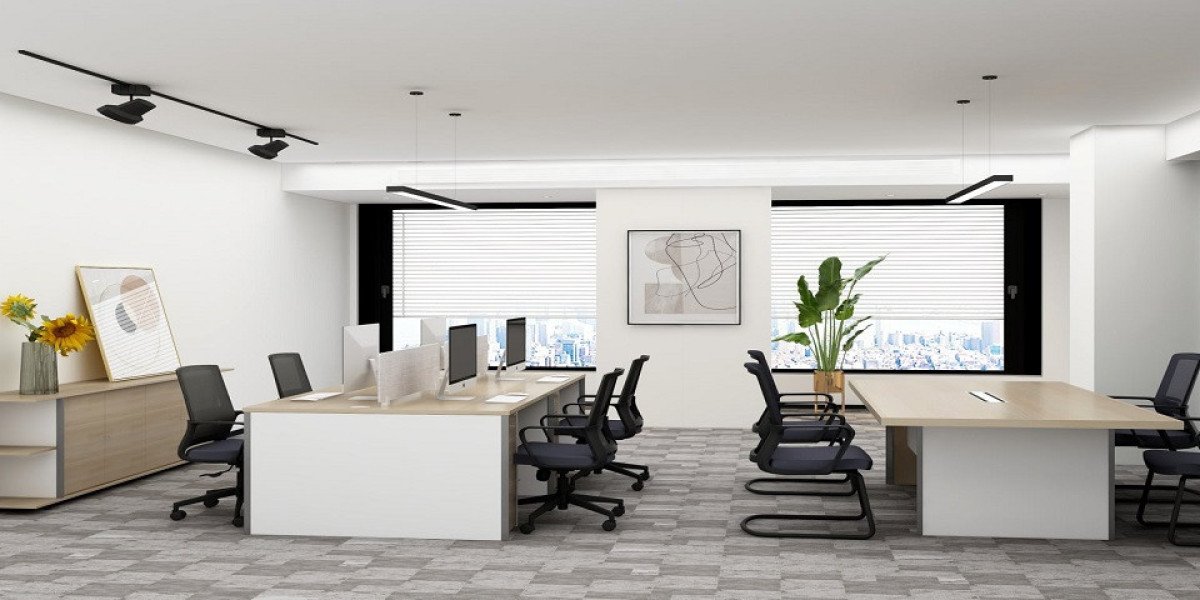

Modern workplaces require furniture that supports employee comfort, efficient space utilisation, and organised daily operations. As businesses grow and office environments become more flexible, modular furniture has become an important part of workplace planning. Selecting suitable modular office furniture manufacturers in Pune involves understanding different furniture designs, materials, functionality, durability, and changing workplace requirements.
Pune has a diverse commercial environment that includes IT companies, manufacturing units, educational institutions, startups, and corporate offices. Each workplace has different furniture requirements depending on its size, employee strength, working style, and operational activities.
Understanding Modular Office Furniture
Modular office furniture consists of individual units designed to work together as part of a larger furniture arrangement. These units can be configured, rearranged, or expanded according to available space and changing business requirements.
Unlike traditional fixed furniture, modular systems offer greater flexibility. Businesses can create individual workstations, collaborative spaces, meeting areas, and storage arrangements using compatible furniture components.
Common examples include modular desks, office workstations, conference tables, storage cabinets, reception counters, and office partitions.
Different Types of Modular Office Furniture
Choosing the right furniture depends on the activities performed within an office. Some commonly used categories include:
1. Modular Workstations
Workstations provide dedicated working areas for employees. They may include partitions, storage units, cable management systems, and integrated desk arrangements.
Linear workstations are suitable for organised seating layouts, while curved workstation designs can create different visual arrangements. Modular desking systems are also useful for offices that frequently change their seating configurations.
2. Executive and Manager Tables
Executive desks are generally designed for senior employees and management teams. They provide working surfaces, storage facilities, and space for office equipment.
Their dimensions and designs should complement the available room without restricting movement.
3. Conference and Meeting Tables
Meeting tables support discussions, presentations, interviews, and collaborative activities. Their shape and size depend on the number of participants and the available meeting room space.
Businesses should also consider electrical connections, cable arrangements, and seating comfort when planning conference areas.
4. Office Storage Systems
Storage furniture helps maintain organised workplaces. Cabinets, drawers, shelves, and filing units provide dedicated spaces for documents, stationery, equipment, and other office materials.
Proper storage planning reduces unnecessary clutter and improves accessibility.
5. Office Chairs and Reception Furniture
Office chairs are important for employee comfort, particularly in workplaces involving extended desk-based activities. Reception counters and visitor seating help create organised entry and waiting areas.
Different chair designs are available for executive cabins, employee workstations, meeting rooms, and visitor spaces.
Benefits of Modular Furniture in Modern Workplaces
Modular furniture offers several advantages when selected according to workplace requirements.
Better Space Utilisation: Modular units can be arranged according to available floor space, helping businesses create functional layouts without unnecessary furniture.
Flexible Configurations: Individual units can be rearranged when departments expand, employees relocate, or office layouts change.
Improved Organisation: Integrated storage and workstation arrangements help employees maintain organised working areas.
Consistent Workplace Design: Using compatible furniture components creates visual consistency across different office departments.
Future Adaptability: Businesses can add or modify furniture units as their operational requirements change.
Factors to Consider When Selecting Office Furniture
Before evaluating office furniture dealers in Pune, businesses should understand their specific furniture requirements.
Material and Construction Quality
Furniture materials influence strength, durability, maintenance, and appearance. Engineered wood, metal, laminates, and other commercial-grade materials are commonly used in office furniture.
Businesses should evaluate the construction quality, finishing, hardware, and suitability of materials for regular use.
Ergonomic Requirements
Furniture dimensions should support comfortable working positions. Desk height, chair adjustability, back support, and legroom are important considerations.
Ergonomic furniture planning can help create more comfortable working environments.
Available Office Space
Accurate measurements are necessary before finalising furniture arrangements. Businesses should consider walking paths, door openings, electrical points, storage access, and emergency movement areas.
Maintenance and Durability
Commercial furniture experiences regular usage. Surfaces that are easy to clean, durable fittings, and suitable finishes can simplify long-term maintenance.
Installation and After-Sales Support
Businesses should also understand delivery schedules, installation procedures, product warranties, and maintenance support before finalising their furniture requirements.
Importance of Proper Office Furniture Planning
Furniture selection should be connected with the overall office interior layout. Simply purchasing desks and chairs without understanding workplace activities can result in inefficient arrangements.
For example, an IT office may require multiple employee workstations, meeting rooms, manager cabins, and equipment storage. A consulting office may prioritise private cabins, visitor seating, and conference facilities.
Planning these areas in advance helps maintain a balance between functionality, privacy, collaboration, and movement.
Growing Demand for Modular Office Furniture in Pune
Pune's commercial development has increased the importance of organised and adaptable office environments. Businesses are increasingly considering modular furniture because it allows them to make better use of available space.
GRC Systems, a Pune-based office furniture manufacturing company established in 2007, has a product range covering workstations, desking systems, executive tables, conference tables, office chairs, storage, and office partitions.
Understanding such product categories provides businesses with a clearer idea of the furniture options available for different workplace requirements.
Conclusion
Modular office furniture is an important consideration when designing functional and adaptable workplaces. Businesses should evaluate furniture dimensions, materials, ergonomic features, storage requirements, and installation support before making purchasing decisions. Comparing modular office furniture manufacturers in Pune and office furniture dealers in Pune can help organisations understand available options and select suitable solutions for their operational needs. Thoughtful furniture planning contributes to organised, comfortable, and efficient commercial environments.