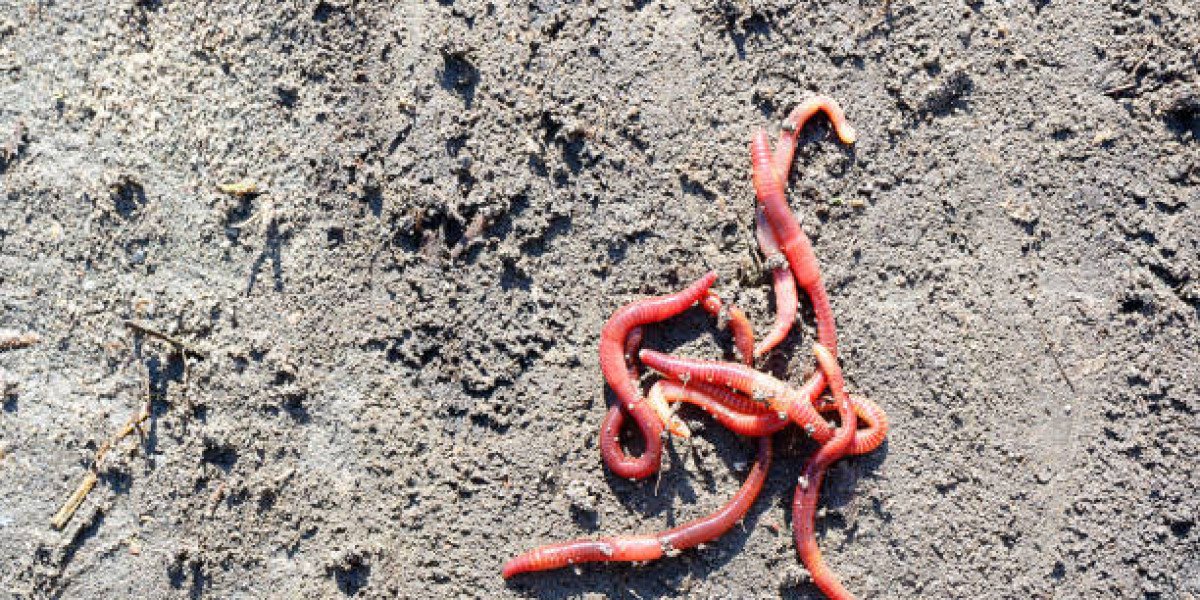

Homeowners are increasingly turning to worms to improve their composting routines, recycle kitchen scraps, and support healthier gardens. Whether you maintain a backyard vegetable patch, grow plants in containers, or want to reduce household food waste, choosing the right worms can make a difference.
However, not all worms serve the same purpose. Some are well suited to breaking down organic waste in a compost bin, while others naturally live deeper in garden soil. Before searching for compost and garden worms for sale, it is important to understand which type you actually need and how to choose a reliable supplier.
Why Homeowners Buy Composting and Garden Worms
Worms play an important role in natural soil and organic matter recycling. In a managed composting system, suitable worms consume decomposing food scraps and bedding, producing nutrient-rich castings that can be added to garden soil.
For homeowners, vermicomposting offers several practical benefits:
Helps recycle fruit and vegetable scraps.
Produces worm castings for garden and container plants.
Reduces the amount of organic household waste sent to landfills.
Creates a convenient composting system for smaller outdoor spaces.
Supports a more sustainable home gardening routine.
The first step is deciding whether you need worms for a composting bin or are looking for ways to support your existing garden soil.
Best Worms for Home Composting
Red wigglers are among the most popular choices for home vermicomposting. Commonly identified as Eisenia fetida, these worms naturally live in rich, decomposing organic material rather than deep underground.
They are well suited to shallow composting systems because they feed near the surface and adapt to life in a managed worm bin.
Homeowners can explore red wiggler composting worms when setting up a dedicated food-scrap recycling system. Before ordering, check the current product availability, quantity options, shipping details, and care requirements.
Red wigglers are particularly useful for people who want to turn kitchen waste into a soil amendment without managing a large traditional compost pile.
European Nightcrawlers for Composting and Gardening
European nightcrawlers, commonly identified as Eisenia hortensis and also known by the synonym Dendrobaena veneta, are another option worth considering.
They are generally larger than red wigglers and can be used in suitable composting systems. Some homeowners also appreciate their versatility for composting and fishing-related purposes.
If you are comparing different worm varieties, look at the European nightcrawler selection to understand the available options. Consider your intended use, the space you have, and the conditions you can maintain.
The important point is that European nightcrawlers should not be confused with every large earthworm found in ordinary garden soil. Different species have different habitat requirements.
Are Garden Earthworms the Same as Composting Worms?
No. This is one of the most important distinctions for homeowners.
Common garden earthworms are adapted to living in soil, where they create burrows and interact with organic matter below the surface. Red wigglers, on the other hand, are surface-dwelling composting worms that thrive in decaying organic material.
Worm type | Typical environment | Common use |
Red wigglers | Decomposing organic matter | Home compost bins |
European nightcrawlers | Organic-rich soil and compost | Composting and other suitable uses |
Common garden earthworms | Mineral garden soil | Natural soil ecosystem |
If your goal is to improve a garden bed, buying composting worms and releasing them directly into ordinary soil is not necessarily the right approach. Composting worms need suitable organic material and may not establish themselves in garden soil.
In many situations, improving soil with finished compost, mulch, and other organic matter is a better starting point than purchasing worms to introduce outdoors. Check local environmental guidance before moving or releasing any worm species.
What to Check Before Buying Worms Online
Finding worms for sale is easy, but choosing a dependable supplier requires a little research. Homeowners should look beyond the product price and consider the following details.
Species identification: A trustworthy listing should clearly identify the worm species rather than relying only on general names such as red worms or garden worms.
Quantity and measurement: Check whether worms are sold by count, weight, or a combination of worms and bedding. A stated weight may include some bedding material, so do not automatically assume every pound contains an identical number of worms.
Shipping information: Live worms need appropriate packaging and handling. Review the supplier's shipping schedule, delivery expectations, and policies for live arrivals.
Care instructions: Beginners benefit from clear guidance about bedding, moisture, feeding, and suitable temperatures.
Customer support: A supplier that provides useful product information can make the setup process easier, especially for first-time worm composters.
For homeowners comparing different varieties and quantities, Meme’s Worms’ worm selection page is one place to review available options. Always confirm current stock and delivery terms before placing an order.
Setting Up a Comfortable Home for Your Worms
Buying the right worms is only part of the process. Their new environment needs to provide suitable moisture, airflow, food, and protection from extreme temperatures.
Start with a container that has ventilation and drainage appropriate for your setup. Add damp, shredded cardboard, uncoated paper, coconut coir, or aged leaves as bedding. The material should feel like a wrung-out sponge rather than being soaked.
Introduce small amounts of suitable food scraps, such as fruit and vegetable pieces. Avoid overfeeding because excess food can create unpleasant odors and disrupt the bin.
You can also review worm bedding and food supplies when preparing a suitable environment. Check that any bedding or additive is appropriate for the species you keep.
Keep the bin away from direct sunlight and extreme heat or cold. Observe the worms regularly and adjust feeding and moisture based on how quickly the material is being processed.
Choosing the Right Worms for Your Home
The best choice depends on what you want to accomplish. Red wigglers are a practical starting point for most homeowners interested in recycling kitchen scraps. European nightcrawlers offer another option for people who want a larger composting worm and have suitable conditions.
If your main goal is healthier garden soil, focus first on adding finished compost, maintaining organic mulch, and protecting the soil ecosystem already present in your yard.
A reliable supplier should make it easy to understand the species, quantity, shipping arrangements, and care requirements before you buy. Taking time to compare these details can help you start with a healthier and more manageable system.
Frequently Asked Questions
What are the best worms for a home compost bin?
Red wigglers (Eisenia fetida) are a popular choice because they live near the surface and thrive in decomposing organic material.
Can I use worms from my garden for composting?
Ordinary garden earthworms are generally not suitable for a managed worm bin. Composting systems work better with species adapted to living in decomposing organic matter.
Are European nightcrawlers good for homeowners?
They can be suitable for certain composting setups. Make sure the bin has appropriate bedding, moisture, food, and space for the species.
How should I prepare before ordering live worms?
Prepare the worm bin first, including suitable bedding and ventilation. Also review the supplier's shipping instructions so you can receive and settle the worms promptly.
Should I release purchased composting worms into my garden?
Not automatically. Composting worms are adapted to organic-rich environments, and introducing non-native worms outdoors can have ecological consequences. Follow local guidance and use finished vermicompost in garden beds when appropriate.
Conclusion
Finding the right compost and garden worms for sale starts with understanding the difference between composting species and ordinary soil-dwelling earthworms. For most homeowners interested in recycling food scraps, red wigglers are a dependable starting option, while European nightcrawlers may suit other composting needs.
Compare species, supplier information, quantities, and shipping policies before ordering. With suitable bedding and regular care, a home worm bin can become a useful part of a practical, sustainable gardening routine.