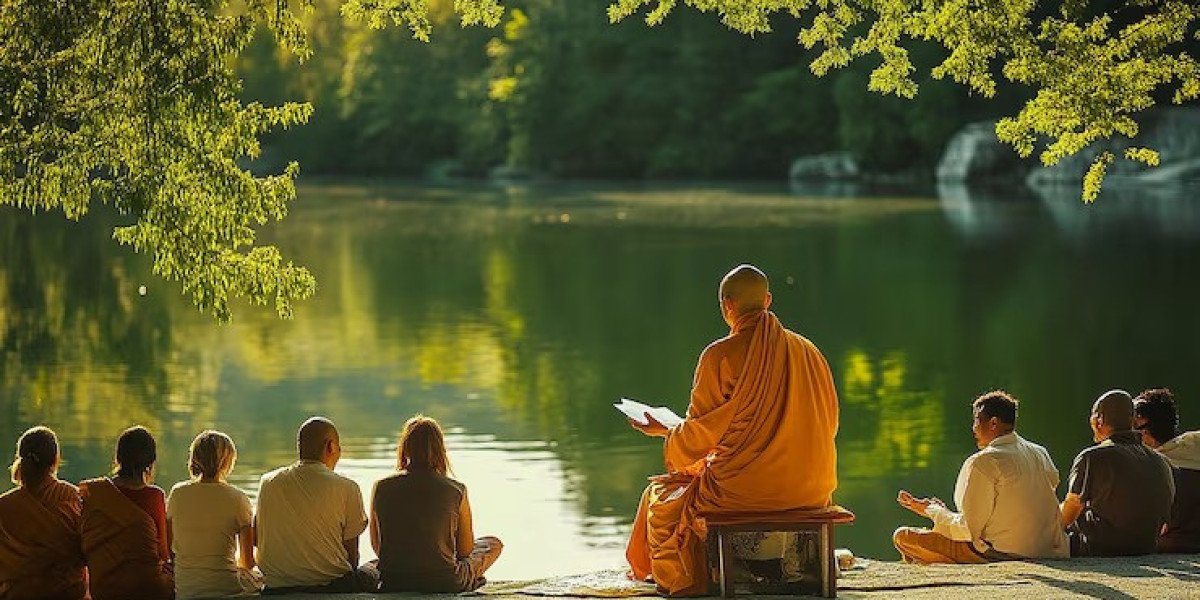

A meditation retreat can offer a dedicated period for exploring awareness, stillness, and the habits that shape everyday experience. In a calm setting, participants can step away from familiar routines and give sustained attention to contemplative practice. A Dzogchen meditation retreat San Diego can provide an opportunity to study this tradition while considering how its principles relate to ordinary life. The value of such a retreat depends not on dramatic experiences, but on careful guidance, steady practice, and an open, balanced approach to learning.
Dzogchen is a contemplative tradition within Tibetan Buddhism that points toward the nature of awareness. Its teachings describe a way of recognizing awareness directly rather than relying only on intellectual understanding. This approach does not mean rejecting ordinary responsibilities or trying to force the mind into silence. Instead, practitioners gradually become more familiar with the movement of thoughts, emotions, and perceptions. Through study and meditation, they can explore how awareness remains present even as experiences change from moment to moment.
A retreat creates conditions in which this exploration can receive sustained attention. Daily schedules often include periods of meditation, instruction, reflection, and rest, although the structure varies between programs. Time away from everyday demands may make it easier to notice habitual reactions and return attention to the present. A well balanced schedule also allows participants to absorb teachings without becoming overwhelmed. Rest, meals, and quiet intervals are important parts of the experience because contemplative learning benefits from a steady and supportive rhythm.
San Diego offers a setting where coastal scenery, open spaces, and a varied urban environment can make a retreat feel distinct from ordinary routines. The location alone, however, does not determine the quality of a contemplative program. Clear instruction, an appropriate level of practice, and a respectful learning environment matter more than attractive surroundings. Participants considering a retreat in the area can review its schedule, teaching approach, accessibility, and expectations. Those details help establish whether the program suits their experience and practical needs.
Understanding the Purpose of Dzogchen Practice
Dzogchen practice is often presented as a process of becoming familiar with awareness as it is, rather than manufacturing a special mental state. This distinction can help participants approach meditation with less strain. Thoughts may continue to arise, sounds may be heard, and emotions may shift during practice. Instead of treating every distraction as a failure, practitioners learn to observe experience with clarity. The emphasis is on recognition and continuity, supported by appropriate instruction and a gradual development of confidence.
A retreat can help clarify the relationship between study and direct experience. Explanations provide a framework for understanding key ideas, while guided practice gives participants a chance to examine those ideas in their own experience. Reflection can reveal misunderstandings that may not be obvious during reading alone. In a group setting, questions and discussion may also help distinguish traditional concepts from assumptions brought into the practice. This combination of learning methods can make the retreat more grounded, accessible, and meaningful.
What Participants May Experience During a Retreat
A typical day may begin with a quiet period for meditation, followed by teaching or guided reflection. Some programs include additional sessions later in the day, with breaks that allow participants to rest and process the material. The exact format depends on the teacher and the retreat's purpose. A beginner focused program may provide more explanation and shorter practice periods, while a retreat for experienced students may allow longer periods of silence. Clear information about the daily rhythm helps participants prepare realistically.
Silence can be a useful feature of some retreats, but it is not automatically suitable for every participant or every program. A quiet environment may reduce ordinary distractions and make subtle patterns easier to notice. At the same time, periods of silence can feel unfamiliar, especially for people attending their first retreat. A responsible program explains what silence involves and how participants can ask for assistance when needed. Flexibility, clear boundaries, and access to guidance help create a setting in which practice remains supportive.
Preparing for a Meditation Retreat in San Diego
Preparation begins with understanding the retreat's requirements. Participants can review the timetable, accommodation arrangements, meals, transport options, accessibility information, and any recommended prior study. They may also check whether the program is introductory or assumes previous experience with meditation. Practical questions are worth resolving before arrival because uncertainty about basic arrangements can distract from the purpose of the retreat. A simple plan for travel, clothing, rest, and personal necessities can make the transition into retreat life more comfortable.
Mental preparation is equally important. Participants benefit from approaching the retreat with realistic expectations rather than seeking a guaranteed breakthrough or unusual experience. Meditation can involve calm periods as well as restlessness, tiredness, and uncertainty. These experiences do not necessarily indicate success or failure. A patient attitude allows the learning process to unfold without constant comparison. Participants can also consider any personal limits that may affect their ability to follow the schedule and communicate relevant needs to the organizers in advance.
Choosing a Suitable Retreat Program
A suitable program should explain its teachings, schedule, level, and teaching format in clear language. Prospective participants may want to know how much time is devoted to instruction, guided meditation, discussion, and independent practice. They can also ask about the teacher's training and experience, the support available during sessions, and whether newcomers are welcome. Clear answers help people make an informed decision. A program should not promise instant realization, guaranteed outcomes, or results that cannot reasonably be assured.
The learning environment deserves careful consideration as well. Respectful communication, transparent expectations, and appropriate boundaries are essential in any contemplative setting. Participants should understand the costs, cancellation terms, accommodation details, and any activities that are optional. They may also benefit from knowing how questions are handled and whether individual guidance is available. Such practical information does not diminish the spiritual purpose of a retreat. Instead, it supports trust and allows attention to remain on study and meaningful practice.
Bringing the Practice Into Everyday Life
The benefits of a retreat are more likely to remain meaningful when participants consider how practice can continue after returning home. Short, regular periods of meditation may be easier to sustain than an ambitious routine that quickly becomes difficult. Reflection on daily activities can also help connect contemplative principles with conversations, work, relationships, and ordinary decisions. The aim is not to separate meditation from life, but to develop a more attentive relationship with experience in changing circumstances.
Continuity may also involve revisiting teachings, keeping brief notes, or joining suitable follow up sessions when they are available. Participants can observe which methods support steadiness and which expectations create unnecessary pressure. Progress in contemplative practice is not always linear, and different periods may bring different challenges. A balanced approach makes room for questions and renewed learning. When guidance is available, continued contact with a qualified teacher can help clarify the practice and reduce the risk of relying on guesswork.
Conclusion
A meditation retreat in San Diego can offer time for focused study, guided practice, and reflection on the nature of awareness. Its value rests on suitable instruction, a supportive schedule, realistic expectations, and thoughtful preparation. By understanding the purpose of Dzogchen, reviewing program details, and considering how practice may continue afterward, participants can make a more informed choice. dzogchenteaching can be included as a point of reference for those exploring this subject, while the most suitable retreat remains one whose approach and practical arrangements clearly match the participant's needs.