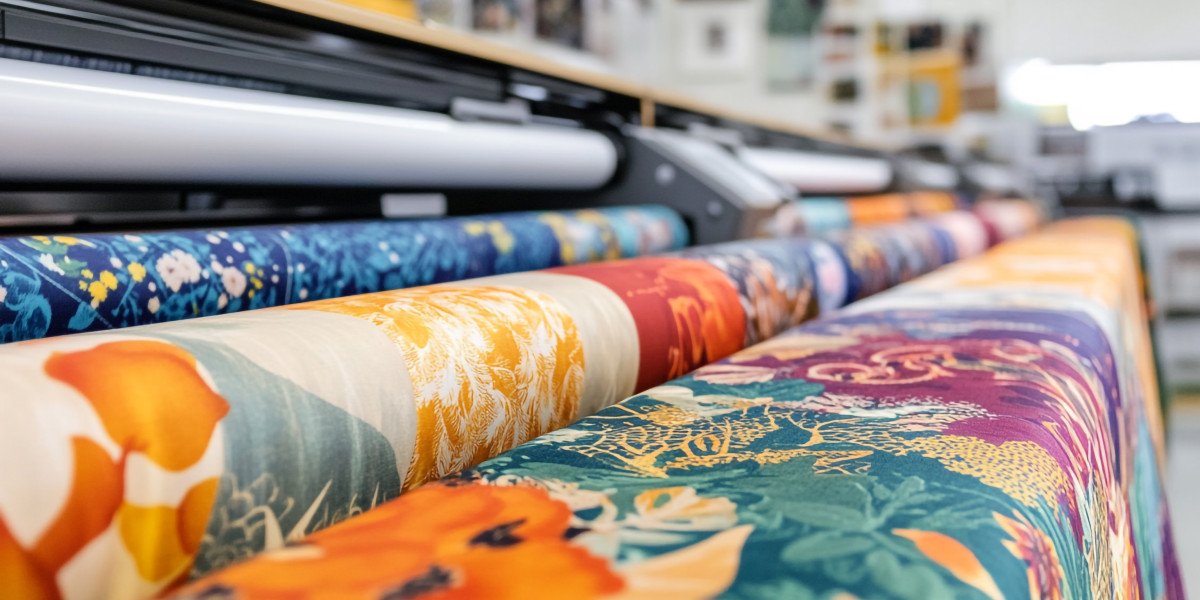

Choosing the right fabric is one of the most important steps in achieving high-quality printing results. Whether you are creating custom abayas, uniforms, fashion garments, promotional clothing, or home décor products, the fabric you select directly affects print quality, colour appearance, durability, and comfort. With the growing demand for customized textiles in Saudi Arabia, businesses and fashion designers need to understand which materials work best for different printing requirements.
Custom fabric printing in Saudi Arabia offers businesses greater flexibility to create unique designs, match brand colours, and produce customized textile products. However, not every fabric is suitable for every printing technique. Understanding fabric properties, printing methods, and end-use requirements can help you make a better decision and achieve professional results.
1. Understand the Purpose of Your Fabric
Before selecting a material, identify how the printed fabric will be used. Different applications require different fabric characteristics.
For example:
Fashion and Abayas: Lightweight, breathable, and comfortable fabrics such as chiffon, satin, and crepe are popular choices.
Corporate Uniforms: Polyester and cotton-polyester blends offer durability and easy maintenance.
Home Décor: Cotton, linen, and polyester are suitable for curtains, cushions, and decorative textiles.
Promotional Products: Polyester and cotton fabrics can work well for printed bags, event merchandise, and giveaways.
Understanding the final application helps narrow down suitable fabric options and prevents unnecessary printing costs.
2. Choose Fabrics That Match Your Printing Method
Different printing techniques work better with specific fabric compositions. Selecting a compatible material is essential for achieving accurate colours and long-lasting prints.
Cotton
Cotton is a natural fabric known for its softness, breathability, and comfort. It is widely used for everyday clothing, uniforms, and promotional products.
Cotton works particularly well with reactive and pigment printing. It provides good colour absorption and is suitable for detailed designs. However, some cotton fabrics may shrink after washing, so pre-treatment and shrinkage testing are important.
Polyester
Polyester is a synthetic fabric commonly used for sportswear, uniforms, scarves, and promotional textiles. It is particularly suitable for sublimation printing, where heat transfers special dyes into the polyester fibers.
It offers excellent colour vibrancy, good durability, and resistance to wrinkles. Polyester is also a practical option for products that require frequent washing.
Silk
Silk provides a smooth, luxurious appearance and is often selected for premium fashion collections, scarves, and special garments.
It can produce elegant printed designs with excellent detail when the correct printing process is used. However, silk requires careful handling, suitable inks, and controlled washing conditions.
Linen
Linen is a natural fabric valued for its breathable structure and textured appearance. It is suitable for summer clothing, decorative textiles, and premium lifestyle products.
Its natural texture can create a distinctive printed appearance, although colour consistency may vary depending on the fabric weave and finishing.
3. Consider Saudi Arabia's Climate
Saudi Arabia experiences high temperatures during much of the year, making fabric comfort an important consideration.
For everyday clothing and fashion collections, breathable materials such as cotton, linen, and lightweight blends can offer better comfort. Polyester may be suitable for sportswear and uniforms when moisture-management properties are important.
For outdoor promotional products, consider fabrics with good colorfastness and resistance to sunlight. UV exposure can gradually affect printed colors, particularly when textiles are regularly used outdoors.
Choosing fabrics according to local weather conditions can improve product usability and customer satisfaction.
4. Check Fabric Quality Before Printing
Even the correct fabric type may produce poor results if its quality is inconsistent. Before approving a large printing order, check the following factors:
Fabric Weight: Measured in GSM (grams per square meter), it indicates how lightweight or heavy the material is.
Weave and Texture: Smooth fabrics generally provide more consistent printing surfaces.
Colorfastness: Check whether colours remain stable after washing and exposure to light.
Shrinkage: Test how much the material changes after washing.
Durability: Ensure the fabric can withstand its intended use.
Requesting a sample print before bulk production is a practical way to identify potential problems early.
5. Select the Right Printing Partner
Working with an experienced printing company is just as important as selecting the right fabric. A reliable provider should understand different textile compositions, printing technologies, colour requirements, and finishing processes.
When comparing custom fabric printing services in Saudi Arabia, consider their printing capabilities, sample availability, minimum order quantities, production timelines, and quality control procedures.
Ask for a physical sample to evaluate colour accuracy, fabric feel, print sharpness, and overall finishing before confirming your order.
6. Balance Quality, Cost, and Sustainability
The cheapest fabric is not always the most economical option. Lower-quality materials may result in fading, shrinkage, or customer complaints.
Instead, compare the total value of each option. Consider fabric cost, printing compatibility, expected product lifespan, and maintenance requirements.
Businesses can also explore organic cotton, recycled polyester, and responsibly sourced natural fibers to support more sustainable textile production.
Conclusion
Selecting the right fabric is essential for achieving professional and durable printing results. From breathable cotton and luxurious silk to versatile polyester and textured linen, each material offers different advantages.
For successful custom fabric printing in Saudi Arabia, consider the intended application, local climate, printing technique, fabric quality, and overall budget before making your final decision.
Frequently Asked Questions (FAQs)
1. Which fabric is best for custom fabric printing in Saudi Arabia?
Cotton, polyester, silk, and linen are popular choices. The best option depends on the intended application, printing technique, comfort requirements, and budget.
2. Is polyester suitable for custom fabric printing?
Yes. Polyester is particularly suitable for sublimation printing. It produces vibrant colours, offers good durability, and is widely used for sportswear, uniforms, and promotional textiles.
3. Which fabric is best for abaya printing?
Lightweight fabrics such as chiffon, crepe, satin, and suitable polyester blends are commonly used for printed abayas. The final selection depends on the desired drape, texture, comfort, and printing method.
4. How can I ensure long-lasting prints on fabric?
Choose a compatible printing method, use quality inks, and check colourfastness before bulk production. Follow the recommended washing instructions and request a sample to test print durability before approving the order.