
Tattoos are often chosen to express personal memories, creativity, and individuality. However, people's preferences and lifestyles can change over time, making certain tattoos unwanted. Whether someone wants to remove an old design, eliminate a name tattoo, or prepare the skin for a new tattoo, modern cosmetic treatments offer effective options. Professional laser technology has made the removal process more accessible and convenient. Laser Tattoo Removal in Dubai is a popular option for individuals looking to reduce unwanted tattoo pigments and achieve clearer-looking skin. One of the most frequently asked questions before starting treatment is how many sessions are needed for complete tattoo removal. Although some tattoos fade relatively quickly, others require several appointments depending on their size, color, depth, and ink composition. Understanding the treatment process and the factors affecting results can help individuals make informed decisions.
How Many Sessions Are Generally Required?
The number of sessions needed for tattoo removal varies significantly between individuals. Some small tattoos with simple pigment compositions may show considerable fading after a few appointments. Larger and more complicated designs may require six to twelve or more sessions to achieve substantial removal.
Professional tattoos often contain dense pigment distributed throughout the skin, which can make the removal process more challenging. Amateur tattoos may contain less ink, although their response still depends on pigment depth and compositionIt is important to remember that these numbers are general estimates rather than guaranteed results. A practitioner must examine the tattoo and evaluate the skin before providing a more personalized treatment estimate. Some tattoos may not disappear completely, even after multiple sessions.
What Factors Determine the Number of Sessions?
Several characteristics influence how many laser treatments an individual may need. Tattoo size is one of the most important factors. Smaller designs generally require less treatment time, while larger tattoos cover more skin and contain greater amounts of pigment.Ink color also affects the removal process. Black and dark blue pigments usually respond well to commonly used laser wavelengths. Green, yellow, turquoise, and certain lighter colors can be more difficult to remove because they absorb laser energy differently.The depth and density of the ink are equally important. Tattoos containing deeply deposited or concentrated pigments may require additional sessions. Previous cover-up tattoos can also be challenging because multiple layers of ink may be present.The age of a tattoo can influence its appearance and treatment response. Older tattoos may have faded naturally, but age alone does not guarantee easier removal. Individual immune responses and skin characteristics also contribute to the overall process.
How Long Should You Wait Between Tattoo Removal Sessions?
Laser tattoo removal appointments are generally scheduled several weeks apart. Depending on the treatment area, tattoo characteristics, and healing response, practitioners may recommend intervals of approximately six to eight weeks or longer.This waiting period allows the skin to recover and gives the body's immune system time to eliminate fragmented ink particles. The practitioner can also evaluate the fading progress and determine whether treatment settings need adjustment.Patients should avoid scheduling additional sessions before the recommended recovery period has passed. Following the professional treatment schedule is important for reducing unnecessary irritation and supporting better outcomes.
Does Tattoo Color Affect Removal Time?
Tattoo color is an important consideration when estimating the number of sessions. Dark pigments, particularly black, often respond effectively because they absorb laser energy efficiently. This can make many black tattoos easier to treat compared with certain lighter colors.Green, blue, and turquoise pigments may require specific laser wavelengths. Yellow, white, and some pastel pigments can be particularly challenging and may not respond consistently to available laser technologies.
Is Laser Tattoo Removal Suitable for All Skin Types?
Laser tattoo removal can be performed on different skin types, but treatment settings must be selected carefully. Skin tone and natural pigmentation influence how laser energy interacts with the surrounding tissue.
Individuals with darker skin tones may require specialized laser wavelengths and conservative settings to reduce the possibility of unwanted pigmentation changes. A professional assessment helps determine the most appropriate treatment approach.Patients should also discuss sensitive skin, previous scarring, allergies, and existing skin conditions during their consultation. This information allows the practitioner to evaluate potential risks and recommend suitable precautions.
What Happens During a Tattoo Removal Session?
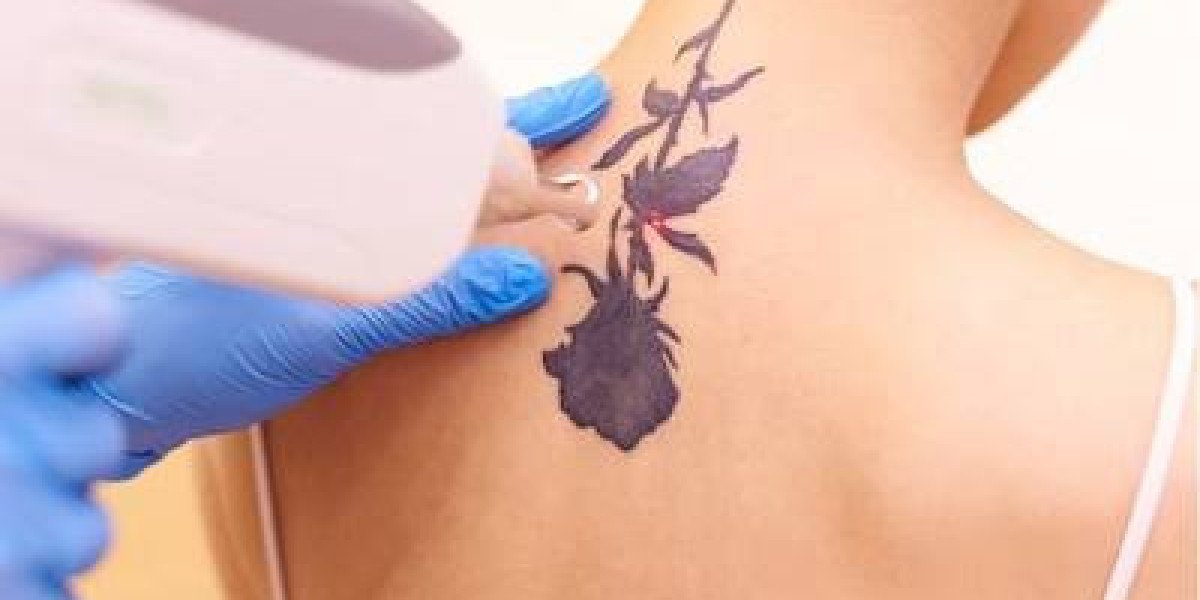
The process begins with a consultation in which the practitioner examines the tattoo and discusses the patient's expectations. The size, colors, location, and depth of the ink are evaluated before an individualized treatment plan is prepared.Before laser treatment, the skin is cleaned, and protective eyewear is provided. A cooling method or topical numbing cream may be recommended depending on the treatment area and individual sensitivity.The practitioner then directs controlled laser pulses toward the tattoo. Patients commonly describe the sensation as similar to small rubber-band snaps against the skin. The duration depends on the size and complexity of the design.After treatment, the area may appear red or swollen. The practitioner provides instructions for caring for the skin during recovery.
How Can You Support Better Tattoo Removal Results?
Proper aftercare plays an important role in supporting the skin's healing process. Patients should keep the treated area clean and follow all instructions provided by their practitioner. Scratching, picking, or removing l scabs should be avoided because these actions can increase the risk of infection and scarring. Patients should also avoid excessive friction and activities that may irritate the treated area during the initial recovery period.Protecting the skin from direct sunlight is particularly important. Ultraviolet exposure can increase the risk of pigmentation changes, especially while the treated area is healing. Appropriate sun protection should be usedaccording to professional advice. Staying consistent with follow-up appointments and allowing adequate time between sessions can also help maintain a suitable treatment schedule.
Can Every Tattoo Be Completely Removed?
Although laser technology can significantly fade or remove many tattoos, complete removal is not guaranteed. Certain pigments may be resistant to treatment, and some designs can leave behind faint shadows or slight changes in skin texture or pigmentation.The final outcome depends on the tattoo's composition, depth, age, and the individual's response to treatment. A practitioner should explain the realistic possibilities during the initial consultation.For individuals who want to replace an existing design, partial fading may sometimes be sufficient to prepare the area for a cover-up tattoo.
Conclusion
The number of sessions required for complete tattoo removal varies according to tattoo size, ink color, pigment depth, skin type, and individual healing responses. While many people may need approximately six to twelve or more appointments, the exact number can only be estimated after a professional assessment. Laser tattoo removal offers a modern, non-surgical approach to reducing unwanted tattoo pigments and improving overall skin appearance. Choosing qualified professionals, following appropriate aftercare instructions, and allowing sufficient recovery time between appointments are essential parts of the process. Glamorous Clinic Dubai can be considered by individuals exploring professional aesthetic treatment options and seeking guidance about unwanted tattoos. With personalized treatment planning and realistic expectations, individuals can gradually work toward clearer-looking skin and greater confidence.