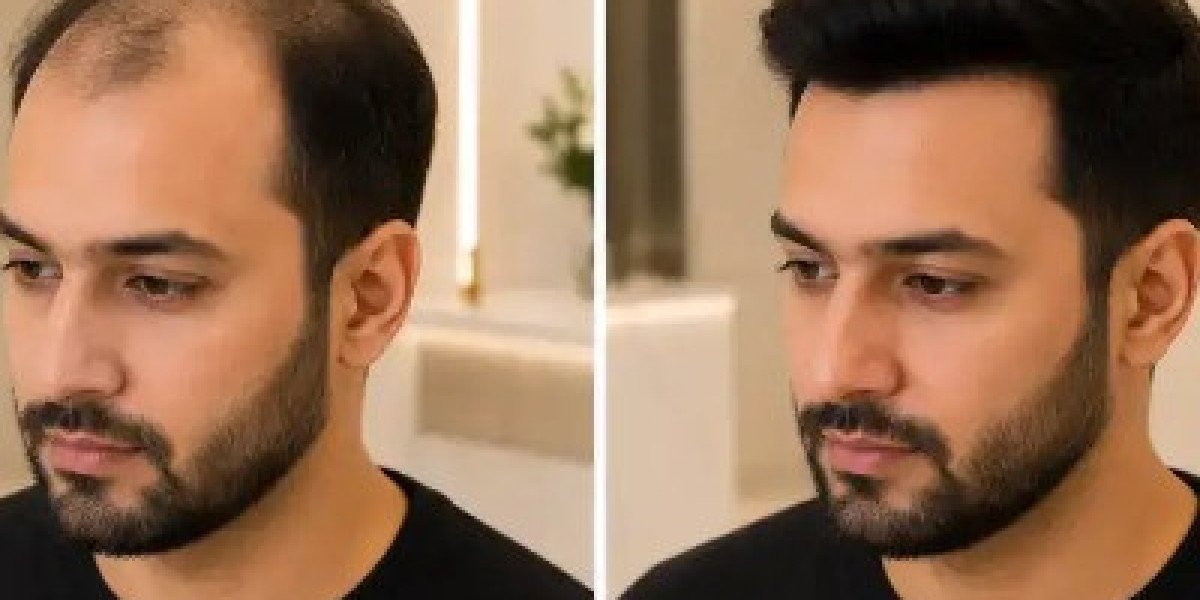

Hair restoration is a journey that involves more than the surgical procedure itself. Recovery plays an important role in protecting transplanted follicles, supporting proper healing, and achieving the desired appearance. Follicular Unit Transplantation (FUT) is a popular surgical technique for suitable candidates experiencing hair thinning or pattern baldness. Understanding each stage of recovery can help patients feel prepared and follow their specialist's instructions with confidence.
After FUT hair transplant in Islamabad the scalp needs time to heal. Patients may experience temporary redness, swelling, tenderness, and changes in hair growth during the first few months. These effects are generally part of the recovery process, although individual experiences can differ.
What Happens Immediately After FUT Hair Transplant?
FUT involves removing a narrow strip of scalp from the donor area, usually at the back of the head. The strip is divided into individual follicular units, which are then implanted into areas affected by hair loss.
After surgery, small scabs may develop around the transplanted grafts. The donor area may feel tight or tender because of the incision and closure. Some patients also experience mild swelling around the forehead.
Your medical team will provide instructions about medication, scalp cleaning, sleeping positions, and activity restrictions. Following these recommendations is essential for protecting the treated areas.
The First Few Days of Recovery
The first few days require extra care because the transplanted grafts are settling into their new locations. Patients should avoid touching, scratching, or rubbing the scalp unnecessarily.
Your surgeon may recommend sleeping with your head slightly elevated to help manage swelling. You should also avoid strenuous exercise, heavy lifting, and activities that cause excessive sweating until your specialist confirms they are safe.
Follow the clinic's instructions about washing your hair. Do not apply unapproved products or use strong water pressure on the treated area. If you experience severe pain, increasing redness, fever, or unusual discharge, contact your medical team promptly.
Healing During the First Two Weeks
During the first two weeks, the small scabs surrounding transplanted follicles gradually loosen and fall away. Redness and tenderness may also begin to improve.
The donor area requires attention because FUT involves a linear incision. Stitches may need to be removed at a follow-up appointment if non-dissolvable sutures were used. Your surgeon will explain how to care for the incision and when you can return to normal hair-washing routines.
Patients should avoid picking scabs because doing so may irritate the scalp or interfere with healing. Gentle care and patience are important during this stage.
Understanding Hair Shedding After FUT
One of the most surprising parts of recovery is temporary hair shedding. Some transplanted hair shafts may fall out within the first few weeks after surgery. This is commonly known as shock loss or post-transplant shedding.
Although it may seem concerning, shedding does not necessarily mean the transplanted follicles have been lost. The follicles can remain beneath the skin and enter a resting phase before producing new hair.
Some patients may also experience temporary thinning in nearby existing hair. If shedding seems excessive or unusual, consult your specialist rather than making assumptions about the outcome.
New Hair Growth Over the Following Months
Hair growth after FUT is gradual, so patients should not expect immediate changes. During the first few months, transplanted follicles begin moving through their natural growth cycle.
New hair may initially appear thin, soft, or uneven. Over time, it can become thicker and more noticeable. More complete results commonly take around 9 to 12 months or longer, depending on individual growth patterns and healing.
Regular follow-up appointments help your surgeon monitor progress and address any concerns. Remember that hair density and growth speed vary from person to person.
Essential Aftercare Tips for Better Healing
Proper aftercare supports recovery and helps protect the transplanted grafts. Your surgeon's instructions should always take priority, but the following general practices may be helpful:
Keep the scalp clean: Follow the recommended washing routine.
Avoid scratching: Do not pick scabs or rub the recipient area.
Protect your scalp: Avoid direct sun exposure as advised by your specialist.
Limit strenuous activities: Return to exercise gradually with medical approval.
Take prescribed medication: Use medication only according to professional instructions.
Attend follow-up visits: Allow your medical team to assess healing and hair growth.
Avoid smoking if advised by your surgeon, as it may affect circulation and healing. Do not use hair dyes, styling products, or chemical treatments until your specialist confirms they are appropriate.
Factors That Can Influence Recovery
Recovery time is not the same for everyone. Several factors can influence how quickly the scalp heals and how the transplanted hair develops.
These include the patient's general health, scalp condition, surgical technique, number of grafts, and adherence to aftercare instructions. The donor incision may also require additional healing time compared with the recipient area.
If you are researching How FUT Hair Transplant in Islamabad involves recovery and aftercare, discuss your personal timeline with a qualified hair restoration specialist. They can explain what to expect based on your treatment plan.
Conclusion
Recovery after FUT hair transplantation takes patience, careful scalp care, and regular communication with your medical team. Temporary swelling, scabbing, tenderness, and hair shedding may occur during different stages of healing. New growth develops gradually, and final results can take several months.
Understanding the recovery process before surgery helps you prepare for each stage and maintain realistic expectations. Always follow your surgeon's instructions and seek medical advice if you notice unusual symptoms.
Frequently Asked Questions
1. How long does recovery take after How FUT Hair Transplant in Islamabad?
Recovery after How FUT Hair Transplant in Islamabad varies between individuals. Initial healing generally takes around 10 to 14 days, while complete hair growth may take 9 to 12 months or longer.
2. Is swelling normal after FUT hair transplantation?
Mild swelling around the forehead or scalp can occur after surgery. It generally improves with time, but increasing or persistent swelling should be discussed with your surgeon.
3. Why does transplanted hair fall out after FUT?
Temporary shedding is a common part of the hair growth cycle after transplantation. The follicles may remain healthy beneath the skin and produce new hair during the following months.
4. What aftercare is important after How FUT Hair Transplant in Islamabad?
After How FUT Hair Transplant in Islamabad, patients should follow the surgeon's washing instructions, avoid scratching the scalp, protect the grafts, take prescribed medication, and attend follow-up appointments.
For more information visit
Enfield royal clinic in islamabad