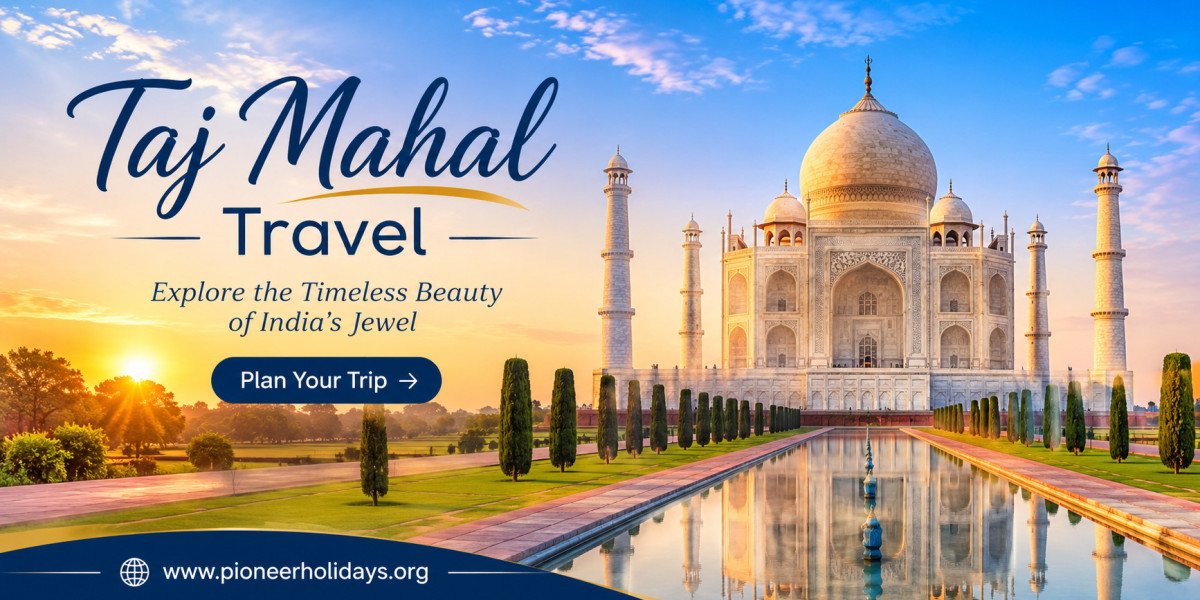

Agra is one of India's most fascinating historical destinations, attracting visitors from around the world. Its most famous landmark, the Taj Mahal, is known for its white marble architecture, beautiful gardens, and remarkable Mughal history. However, there is much more to discover beyond this iconic monument. With proper planning, travellers can explore several important attractions in a single day.
Choosing the right Taj Mahal Tours can make a significant difference to your experience, especially if you are travelling from Delhi. A well-planned itinerary helps you manage travel time, avoid unnecessary delays, and enjoy Agra's highlights without rushing through every attraction.
Whether you prefer travelling by private car, train, or a comfortable luxury vehicle, understanding your options will help you make the most of your day.
1. Start Early to Make the Most of Your Day
If you are travelling from Delhi, starting early is one of the most important planning decisions. The journey between Delhi and Agra takes approximately three to four hours by road, depending on traffic, departure location, and road conditions.
An early departure gives you more time for sightseeing and helps you avoid some of the daytime heat.
For a memorable experience, consider visiting the Taj Mahal around sunrise. The soft morning light creates beautiful views of the white marble, while the cooler temperatures make walking around the complex more comfortable.
Keep these practical suggestions in mind:
Leave Delhi early to maximise your sightseeing time.
Check the Taj Mahal's opening hours before travelling.
Purchase entry tickets through authorised channels.
Allow time for security checks and entrance queues.
Wear comfortable footwear for walking around the monument.
Remember that the Taj Mahal remains closed to regular visitors every Friday. Always check the latest visiting arrangements before finalising your travel date.
2. Explore the Taj Mahal and Discover Its Architecture
The Taj Mahal deserves enough time to appreciate its architectural details rather than simply taking a few photographs and leaving.
Built by Mughal Emperor Shah Jahan in memory of Mumtaz Mahal, this UNESCO World Heritage Site represents an extraordinary example of Mughal architecture. Its symmetrical design, intricate marble inlay work, calligraphy, and landscaped gardens make it one of the world's most recognised monuments.
During your visit, pay attention to:
Main Mausoleum: Admire the detailed marble craftsmanship and architectural symmetry.
Charbagh Gardens: Walk through the traditional Mughal garden layout.
Reflecting Pool: Enjoy the famous reflection of the monument.
Marble Inlay Work: Observe the colourful stones carefully embedded in the marble.
Mosque and Guest House: Explore the surrounding structures that complete the architectural complex.
Allow approximately two to three hours for a comfortable visit, depending on crowd levels and your interest in photography and history.
3. Visit Agra Fort and Explore Mughal History
After visiting the Taj Mahal, Agra Fort is an excellent next stop. Located a short drive away, this historic fort offers another perspective on the Mughal Empire.
Agra Fort was once the principal residence of Mughal emperors and is also recognised as a UNESCO World Heritage Site.
Inside the fort, visitors can explore impressive structures, including:
Diwan-i-Aam: The Hall of Public Audience, where the emperor addressed visitors.
Diwan-i-Khas: A historic hall used for private meetings.
Jahangir Palace: An impressive palace associated with Mughal royal life.
Musamman Burj: A beautiful octagonal tower with views towards the Taj Mahal.
The fort provides a deeper understanding of the history behind the monument you visited earlier. Plan around one to two hours for sightseeing, depending on your interests.
4. Discover More of Agra's Attractions
If your schedule allows, consider adding one or two additional attractions to your itinerary. However, avoid including too many places if you have only one day.
Itimad-ud-Daulah (Baby Taj)
Often called the Baby Taj, this beautiful tomb is famous for its detailed marble decoration and delicate craftsmanship. Its architecture reflects an important period in the development of Mughal tomb design.
Mehtab Bagh
Located across the Yamuna River, Mehtab Bagh offers a different perspective of the Taj Mahal. It is particularly attractive for visitors interested in photography and peaceful garden surroundings.
Local Markets of Agra
If you have some free time, explore local markets for marble handicrafts, leather goods, traditional souvenirs, and regional products. Remember to compare prices before purchasing.
For a one-day visit, prioritise the Taj Mahal and Agra Fort. Add other attractions according to your return travel schedule.
5. Choose the Right Travel Option for Your Agra Day Trip
Transportation can influence how comfortably you explore Agra. Different travellers have different preferences, so consider your budget, departure time, and desired level of flexibility.
Here are some popular options:
Private Car: A convenient choice for families, couples, and small groups who prefer flexible departure times and private transportation. A planned Taj Mahal Day Tour can combine the main attractions with a road journey from Delhi.
Early Morning Experience: Travellers interested in photography and cooler temperatures can consider a Taj Mahal Sunrise Tour.
Train Journey: Rail travel is another option for visitors who prefer avoiding a long road journey. Check train schedules and local transfers before booking a Taj Mahal Tour by Train.
Premium Transportation: Visitors looking for additional comfort may prefer a Taj Mahal Luxury Car Tour.
If you prefer a slower sightseeing experience, staying overnight in Agra is another possibility. A 2 Days Taj Mahal and Agra Overnight Tour gives you additional time to discover the city's historical attractions.
When comparing itineraries, check whether transportation, guide services, entrance tickets, meals, and other expenses are included in the quoted price.
6. Practical Tips for International Travellers
A little preparation can make your Agra visit considerably easier.
Carry a valid passport or accepted identification.
Check current entry fees and ticket conditions for international visitors.
Avoid carrying unnecessary luggage to the monuments.
Carry some Indian currency for small purchases and incidental expenses.
Respect local customs and monument regulations.
Stay hydrated, particularly during the warmer months.
Keep some flexibility in your schedule for traffic and unexpected delays.
If you are travelling with children or older family members, consider a private vehicle to reduce unnecessary walking and make transfers more comfortable.
Frequently Asked Questions
Q1. Can I visit the Taj Mahal and Agra Fort in one day from Delhi?
Yes. Both attractions can comfortably be included in a planned day trip. Starting early helps you make better use of your sightseeing time.
Q2. Is one day enough to explore Agra?
One day is sufficient for the Taj Mahal and Agra Fort, with time for another attraction depending on your schedule. However, an overnight stay is better for a relaxed experience.
Q3. What is the best way to travel from Delhi to Agra?
Private cars and trains are popular options. A private car offers flexibility, while trains can be convenient for travellers who prefer rail transportation.
Conclusion
Exploring the Taj Mahal and Agra's historical attractions in one day is possible with a carefully planned itinerary. Starting early, choosing suitable transportation, and prioritising the main monuments will help you enjoy the destination without unnecessary stress.
When comparing Taj Mahal Tours, look beyond the price and consider travel time, sightseeing arrangements, comfort, and included services. Whether you choose a private car, train journey, or overnight experience, the right arrangements can turn a short visit into a memorable Indian travel experience.
For travellers seeking private and customised journeys across India, Pioneer Holidays has been organising India tours since 1990, offering travel arrangements based on individual interests, schedules, and preferences.