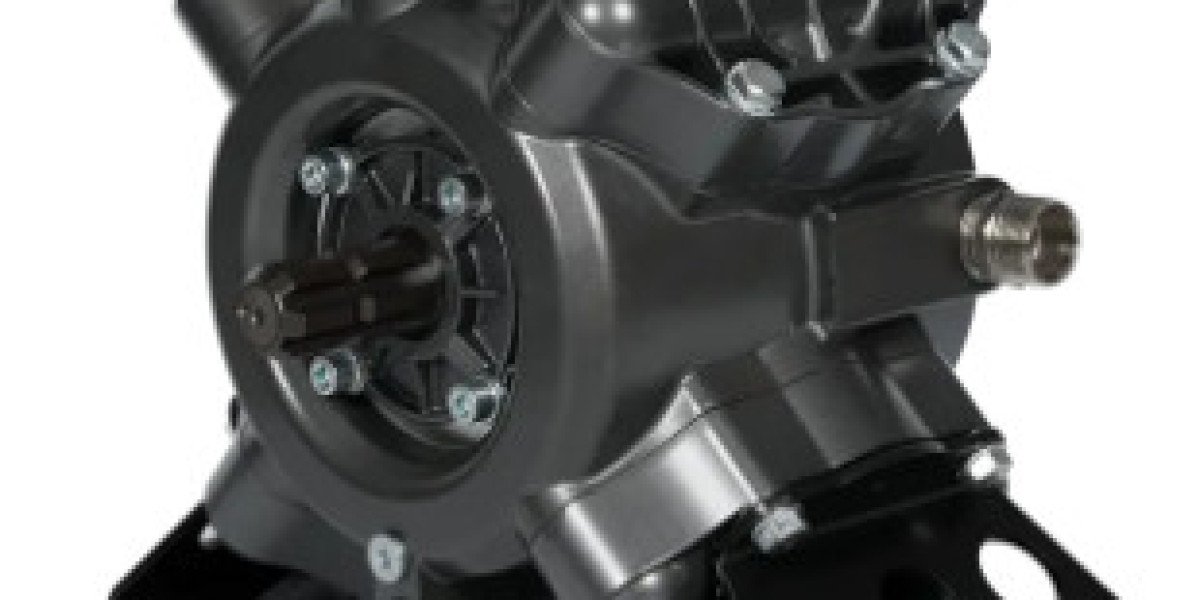

Agricultural spraying systems depend on effective fluid transfer to distribute crop protection products, fertilizers, and other liquids across different growing environments. The pump is one of the most important components in this process because it influences liquid supply, operating pressure, and the consistency of the spray system. A properly selected Agricultural Sprayer Pump must combine suitable mechanical construction, compatible materials, and reliable performance to meet the practical demands of modern farming equipment.
Different agricultural applications place different requirements on pumping systems. Field sprayers may operate across large areas, while orchard and greenhouse equipment often use different hose arrangements, spray outlets, and operating patterns. The pump must work with the complete fluid circuit, including the tank, suction line, filters, pressure-control components, hoses, and nozzles. Understanding these system requirements helps manufacturers select an appropriate pump design instead of relying on a single general-purpose configuration.
Diaphragm technology is commonly used in agricultural liquid handling because of its flexible pumping mechanism. A diaphragm moves repeatedly to create suction and discharge stages within a working chamber. Inlet and outlet valves control the direction of liquid movement, allowing the pump to transfer fluid through the connected circuit. The diaphragm also acts as a barrier between the conveyed liquid and parts of the drive mechanism. This structural arrangement can help protect selected mechanical components from direct contact with agricultural formulations.
Material engineering is essential because agricultural liquids vary considerably in chemical composition. Pesticides, fertilizers, cleaning agents, and water-based mixtures may interact differently with plastics, metals, elastomers, and sealing materials. Pump housings must provide appropriate structural strength, while diaphragms and seals need to retain their functional properties during repeated operation. Material selection should account for chemical compatibility, temperature, pressure, and expected operating frequency. Evaluating every wetted component is important because the suitability of one material does not automatically guarantee the compatibility of the entire pump.
The design of internal passages and valve assemblies influences fluid movement. Properly shaped channels help reduce unnecessary flow resistance, while reliable valve seating supports controlled suction and discharge. Sealing surfaces must fit accurately to minimize leakage, and the diaphragm must maintain consistent movement during repeated cycles. These features depend on both engineering design and manufacturing quality. Dimensional consistency helps ensure that components fit together correctly and perform predictably after assembly.
Manufacturing processes play a major role in achieving product consistency. Depending on the component, production may involve injection molding, metal machining, elastomer forming, and precision assembly. Each process requires suitable quality controls to maintain dimensions and material characteristics. Inspection procedures can include surface checks, dimensional measurements, sealing evaluation, and operational testing. These measures help manufacturers identify defects before pumps are integrated into complete sprayer systems. For equipment producers purchasing components in volume, repeatable quality can simplify assembly and after-sales support.
Correct pump selection requires matching the pump's operating characteristics with the demands of the spraying circuit. Flow requirements, working pressure, liquid viscosity, duty cycle, and nozzle configuration should be considered together. A system with multiple spray outlets may require a different delivery arrangement from a compact sprayer with fewer outlets. Filters and pressure regulators also influence operating conditions. If the fluid circuit contains restrictions or poorly arranged connections, even a well-designed pump may not deliver the expected system performance.
Maintenance practices are equally important for equipment reliability. Before operation, users should inspect the suction line, hose connections, filters, and visible seals. During use, unexpected vibration, leakage, reduced liquid delivery, or inconsistent spraying may indicate a problem that requires investigation. Common causes include clogged filters, air entering the suction line, worn valves, and diaphragm deterioration. Cleaning after use should follow the chemical label and equipment supplier's guidance, helping prevent residue accumulation and protecting wetted materials.
For agricultural machinery manufacturers, wholesalers, and professional equipment operators, a dependable Agricultural Sprayer Pump should offer suitable material compatibility, stable fluid handling, consistent manufacturing, and convenient maintenance. Evaluating these factors together helps buyers select components that match their equipment design and operating environment. To learn more about SHUANG DIN Co Ltd. and its agricultural pump solutions, visit https://www.agriculturaldiaphragmpump.com/about/.