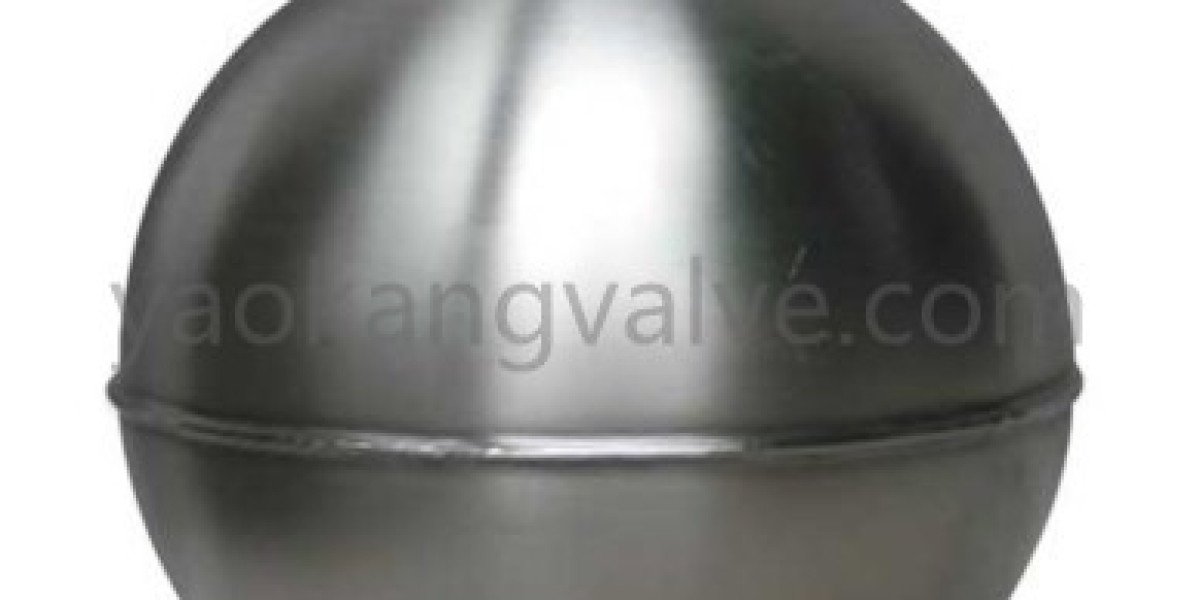

Industrial liquid control systems require components that combine reliable movement with suitable mechanical strength and resistance to environmental exposure. A Stainless Steel Float Ball is used in selected float valves, tanks, and fluid management assemblies where buoyancy supports liquid level regulation. For industrial buyers, the right choice depends on material grade, product dimensions, construction quality, and compatibility with the operating environment.
Stainless steel is widely used in industrial equipment because it can offer a useful combination of strength, durability, and corrosion resistance. However, different grades perform differently depending on the liquid and surrounding conditions. SS304 may suit many general-purpose applications, while SS316 may be considered for environments requiring greater resistance to certain corrosive substances. The appropriate choice should be confirmed according to the working liquid, temperature, cleaning procedures, and expected service conditions.
Product dimensions directly influence compatibility with the connected valve mechanism. Diameter, wall thickness, roundness, and construction details may affect buoyancy, movement, and installation. A component that falls outside the required dimensions can create assembly difficulties or affect the intended control response. Buyers should provide accurate drawings and define critical tolerances before production. For new equipment designs, reviewing a sample can help confirm dimensions and fit before larger quantities are ordered.
Manufacturing methods should be selected according to the design and performance requirements. Depending on the product structure, processes may include forming, welding, machining, and surface finishing. Consistent production controls help maintain the specified shape and structural integrity. If welded construction is involved, inspection should address joint quality and any application-specific leakage requirements. The finished surface should also meet the agreed expectations for appearance, cleanliness, and service suitability.
These components can be used in float valves, water storage systems, liquid level regulators, and selected industrial fluid handling equipment. As liquid levels change, buoyancy causes the float to move, allowing the connected mechanism to respond. Actual performance depends on the valve design, installation arrangement, liquid characteristics, and component specifications. Buyers should therefore assess the complete assembly rather than choosing a component based solely on material or appearance.
OEM customers may require customized dimensions or construction details to match their equipment. Depending on production capabilities, suppliers may offer options involving material grades, diameters, wall thicknesses, surface finishes, and packaging. To improve production efficiency, buyers should provide the intended application, technical drawings, estimated order quantities, and any special inspection requirements. Clear communication helps suppliers evaluate manufacturing feasibility and reduces the risk of revisions after production has started.
Quality assurance is essential for maintaining product consistency. Inspection may include dimensional measurement, visual examination, material checks, and additional testing based on the product's design and intended use. Buyers should clarify the inspection scope, acceptance criteria, and required documentation before placing a bulk order. For ongoing purchasing programs, retaining approved samples and controlled drawings can help verify that subsequent deliveries remain consistent with the original requirements.
Wholesale buyers should also evaluate supply reliability. Production lead times, minimum order quantities, packaging, and communication can influence the overall procurement process. For repeated orders, clear records of material specifications and product dimensions help reduce discrepancies between batches. Discussing sampling arrangements and delivery schedules in advance can also help purchasing teams coordinate inventory and production planning.
A Stainless Steel Float Ball should be selected according to the actual requirements of the fluid control system, including corrosion exposure, dimensional compatibility, and expected operating conditions. Careful specification review helps buyers balance durability, product suitability, and total purchasing cost. Yongjia County Yaokang Technology Co., Ltd. provides options for industrial valve applications. Visit https://www.yaokangvalve.com/product/ to explore available products and discuss customized requirements.