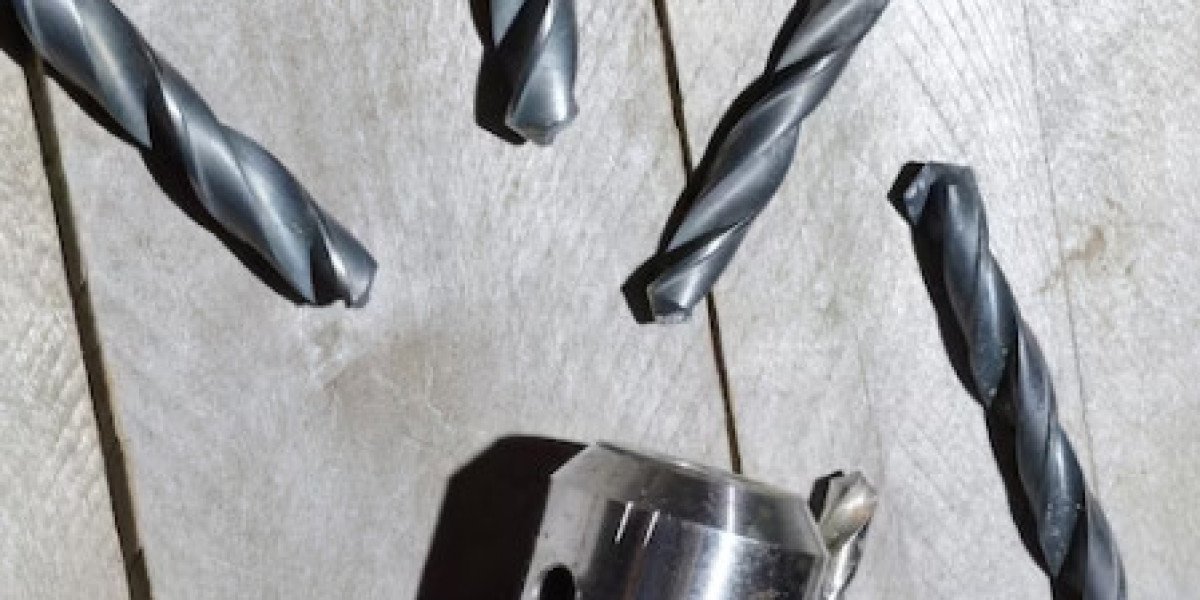

Tap breakage is a common problem during thread cutting, especially when working with hard metals, deep holes, or incorrect machining settings. A broken tap can damage the workpiece, increase production costs, and waste valuable time. For workshops, manufacturing units, and maintenance teams across the UAE, using the correct thread tapping tool and following proper machining practices can significantly reduce these risks.
Whether you are cutting threads in steel, aluminium, stainless steel, or other metals, understanding the causes of tap failure is essential for achieving accurate and consistent results. In this guide, we will explain practical ways to prevent tap breakage and how suitable measuring tools can improve thread-cutting accuracy.
Why Do Taps Break During Thread Cutting?
A tap is designed to cut internal threads in a pre-drilled hole. However, excessive cutting pressure, poor chip removal, incorrect hole dimensions, and unsuitable tools can cause it to break.
Common causes include:
Incorrect drill hole size: A hole that is too small increases cutting pressure on the tap.
Poor lubrication: Insufficient cutting fluid creates friction and heat.
Chip accumulation: Metal chips can become trapped inside blind holes and restrict the tap's movement.
Misalignment: An angled tap can create uneven cutting forces and damage the threads.
Incorrect tapping speed: Excessive speed can increase heat and tool stress, depending on the material and tapping method.
Worn or unsuitable taps: Damaged cutting edges or the wrong tap geometry can increase the risk of failure.
Identifying these issues before starting work is the first step towards safer and more efficient thread cutting.
1. Select the Right Thread Tapping Tool
Choosing the correct thread tapping tool is essential for preventing breakage. Different materials require different tap designs, cutting geometries, and operating conditions.
For example, aluminium generally requires tools that help prevent material from sticking to the cutting edges. Stainless steel may require taps designed for tough materials and effective chip control.
Before selecting a tap, consider the workpiece material, thread size, thread pitch, hole depth, and whether the hole is blind or through.
Use spiral-point taps where suitable for through holes, as they typically push chips forward. Spiral-flute taps are often useful for blind holes because they help move chips out of the hole. Always confirm that the selected tap is suitable for the material and application.
2. Drill the Correct Hole Size Before Tapping
One of the most effective ways to prevent tap breakage is to prepare the correct hole diameter.
If the drilled hole is too small, the tap must remove more material, increasing torque and the likelihood of breakage. If the hole is too large, the resulting thread may not provide sufficient engagement.
For standard metric threads, a common starting estimate for the tapping drill diameter is:
Tapping drill size = Nominal thread diameter − Thread pitch
For example, an M8 × 1.25 thread commonly uses a 6.8 mm tapping drill.
This is a general guideline for standard metric threads, not a universal rule. The appropriate drill size may vary with material, thread engagement, and required thread class.
Use accurate measuring tools, such as digital callipers, micrometers, and suitable gauges, to verify dimensions where appropriate. A thread pitch gauge can also help identify the correct thread pitch before machining.
3. Use Proper Cutting Lubrication
Cutting fluid reduces friction between the tap and workpiece, helps manage heat, and can improve thread quality.
The correct lubricant depends on the material being machined. Aluminium, carbon steel, and stainless steel may require different cutting fluids or lubricants.
Apply a suitable tapping lubricant before starting and ensure that it reaches the cutting area. For production operations, follow the lubricant manufacturer's recommendations and maintain a consistent lubrication process.
Avoid continuing to tap when you notice unusual resistance, excessive heat, or damaged threads. Stop the operation and investigate the cause before proceeding.
4. Maintain Correct Alignment and Tapping Speed
A tap must enter the hole straight to produce accurate threads and distribute cutting forces evenly. Misalignment can cause the tap to bend, cut unevenly, or break.
Whenever possible, use a tapping machine, tapping guide, or suitable tool holder to maintain alignment. For manual tapping, start carefully and ensure the tap remains perpendicular to the workpiece.
Use the speed recommended by the tap manufacturer for the workpiece material, tap type, and diameter. There is no single tapping speed suitable for every application.
When tapping manually, follow the tool manufacturer's recommended technique for breaking and clearing chips. Never force a tap that has become stuck.
5. Clear Chips and Inspect Tools Regularly
Metal chips can accumulate in blind holes, increasing resistance and putting excessive pressure on the tap. Use a suitable chip evacuation strategy based on the hole type and tap design.
Inspect taps regularly for worn cutting edges, damage, and signs of excessive wear. Replace damaged tools instead of continuing to use them.
Before beginning a job, check that the drill diameter, tap size, thread pitch, and workpiece specifications match. After cutting, use an appropriate thread plug gauge or other suitable inspection method to verify thread quality.
Combining accurate measurement with routine tool inspection helps reduce defects and avoid costly rework.
Conclusion
Preventing tap breakage during thread cutting starts with the right tools, correct hole preparation, effective lubrication, proper alignment, and suitable cutting conditions. Each step helps reduce unnecessary stress on the tap and improves the quality of finished threads.
For workshops and industrial operations in the UAE, investing in a reliable thread tapping tool and accurate measuring tools can support consistent machining results and reduce avoidable downtime.
Looking for dependable tapping and measurement solutions for your workshop? Contact a trusted industrial tools supplier in the UAE to find suitable taps, drill bits, digital callipers, thread gauges, and other precision tools for your machining requirements.
Frequently Asked Questions
1. What is the most common reason for tap breakage?
Common causes include undersized drilled holes, insufficient lubrication, chip accumulation, misalignment, and excessive cutting torque. Checking hole dimensions and selecting the correct tap can help prevent these problems.
2. How can I choose the correct drill size for tapping?
For many standard metric threads, subtract the thread pitch from the nominal diameter to estimate the tapping drill size. For example, an M8 × 1.25 thread commonly uses a 6.8 mm drill. Always confirm the recommended size for your required thread and application.
3. Which thread tapping tool is best for stainless steel?
Choose a tap specifically designed for stainless steel, with suitable cutting geometry and chip control. Use the recommended lubricant and cutting conditions to reduce friction, heat, and tool stress.
4. Which measuring tools help improve thread-cutting accuracy?
Digital callipers and micrometers help verify workpiece dimensions, while thread pitch gauges help identify thread pitch. Suitable thread plug gauges can be used to inspect completed internal threads for dimensional compliance.