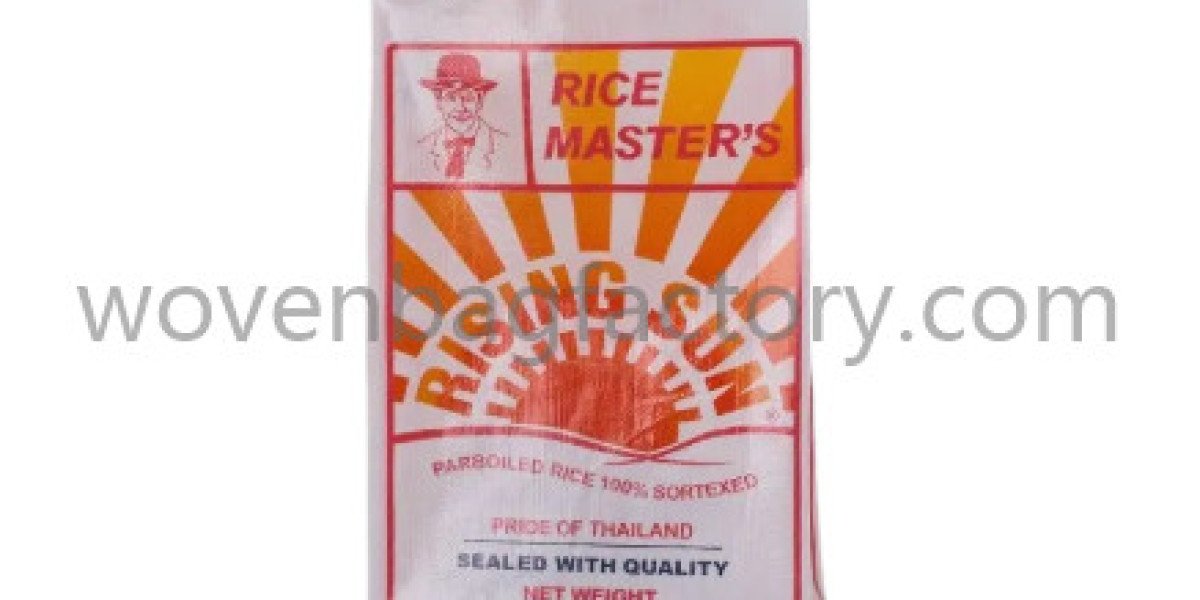

Bulk packaging must accommodate the characteristics of the packed product while supporting efficient filling, storage, and transportation. For companies sourcing bags for agricultural, construction, and industrial applications, a Polypropylene Sacks Manufacturer can help coordinate material selection, bag construction, finishing, and production planning. Polypropylene woven sacks are widely used because their interlaced structure offers practical strength while keeping the packaging relatively lightweight. Selecting an appropriate product requires consideration of the goods being packed, the handling environment, and the quality expectations of the buyer.
Polypropylene is a thermoplastic material that can be processed into tapes for weaving. During extrusion, the resin is melted and formed into a thin film, which is then slit into narrow strips. The strips are stretched under controlled conditions and wound onto bobbins before entering the weaving process. Weaving equipment interlaces the tapes to produce fabric suitable for conversion into sacks. Control over material preparation, tape consistency, and weaving conditions helps establish a stable foundation for downstream manufacturing.
The properties of a finished sack depend on more than its base material. Fabric construction, bag dimensions, stitching, opening design, and finishing methods all contribute to its practical performance. Bags intended for grain may have different requirements from those used for fertilizers, mineral products, or industrial powders. The weight and flow characteristics of the contents can affect filling and handling, while storage and transportation conditions influence the type of construction that may be appropriate. Buyers should communicate these factors clearly when requesting product recommendations.
Manufacturers can adapt woven sacks through several converting processes. Cutting and sewing establish the bag's shape and dimensions, while different openings and closures can accommodate manual or automated filling systems. Printing provides space for branding, product identification, handling instructions, and other relevant information. Lamination or coating may be considered when additional surface protection is required. These features should be selected according to the intended application, as unnecessary complexity can increase production costs without improving practical usability.
Quality control should cover raw materials, fabric production, bag conversion, and finished-product inspection. Material checks help ensure that the manufacturing process begins with suitable inputs. During extrusion and weaving, process monitoring can reveal inconsistencies before they affect larger quantities. In the converting stage, manufacturers can inspect cutting accuracy, seam construction, print placement, and overall appearance. Buyers may also establish application-specific acceptance criteria for dimensions or relevant performance properties. Agreed inspection procedures make quality expectations easier to communicate and verify.
Packaging must also suit the conditions in which it will be handled. Sacks may be filled by machine, moved manually, stacked on pallets, stored in warehouses, and transported across long distances. These activities can create friction, compression, and repeated handling stress. Choosing suitable bag construction helps address these demands, but performance also depends on filling practices, stacking arrangements, and the condition of the storage environment. Clear application information allows buyers and suppliers to evaluate the complete packaging system more effectively.
International sourcing requires careful specification management. Purchasing teams should confirm dimensions, material construction, printing files, finishing options, order quantities, and packaging for shipment before production begins. Samples can be used to assess the product and establish a reference for subsequent orders. It is also useful to discuss lead times, production scheduling, inspection arrangements, and how changes will be managed. These practices help reduce avoidable delays and make cooperation more predictable when orders are repeated.
Commercial evaluation should balance purchase price with operational value. A low-priced sack may be less economical if inconsistent sizing creates problems during filling or if unsuitable construction leads to damage in normal handling. Buyers can compare suppliers based on manufacturing capability, quality procedures, communication, delivery reliability, and the ability to meet agreed specifications. Forecast sharing can help suppliers plan material requirements, while realistic order schedules can support better inventory management for both parties.
Environmental considerations should be assessed in the context of the full packaging lifecycle. Efficient material use can help limit unnecessary consumption, while suitable durability may support reuse when the product's condition and intended next use permit it. Recycling availability varies by market and can be affected by contamination, coatings, and additional components. Businesses should consider local waste-management infrastructure and product requirements before making decisions about reuse or disposal.
Choosing a Polypropylene Sacks Manufacturer involves evaluating material expertise, manufacturing controls, communication, and the realities of bulk handling. HONGYANG supports woven packaging requirements for businesses across multiple sectors, helping customers explore product options aligned with their applications. Buyers can visit https://www.wovenbagfactory.com/product/kraft-paper-bag/ to review available packaging solutions and prepare for future sourcing discussions.