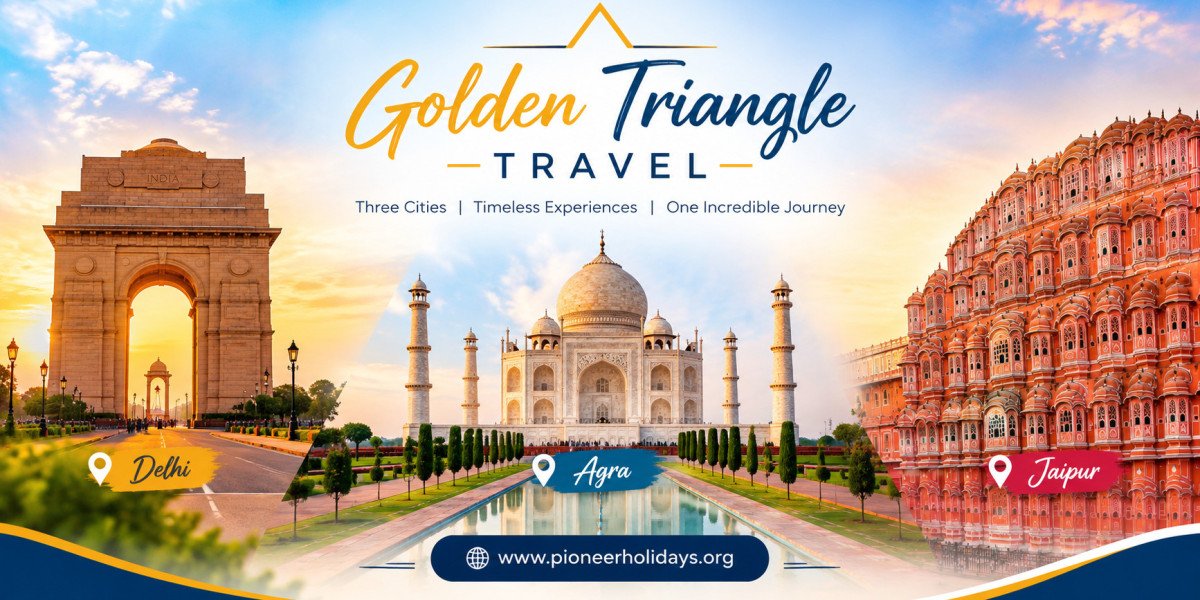

India's heritage is best understood by experiencing its historic monuments, royal architecture, traditional markets, and living cultural traditions. For international travelers visiting the country for the first time, India Golden Triangle Tour Packages offer a practical way to discover these experiences through three remarkable destinations: Delhi, Agra, and Jaipur.
Each city tells a different story. Delhi reflects centuries of political and cultural change, Agra showcases the architectural achievements of the Mughal era, and Jaipur reveals the royal heritage of Rajasthan. Together, they create a journey that introduces visitors to India's diverse past while providing opportunities to enjoy local food, crafts, and everyday life.
Choosing the right itinerary, however, is important. The number of days, quality of transportation, sightseeing arrangements, and opportunities for local experiences can all influence how much you discover.
1. Discover Different Periods of Indian History
The Golden Triangle provides an introduction to several important chapters of Indian history without requiring travelers to cross the entire country.
Delhi features monuments associated with different dynasties and historical periods. Visitors can explore Qutub Minar, Humayun's Tomb, and the historic neighborhoods of Old Delhi. These places help explain how the city developed as a center of political power, trade, and culture.
Agra offers a closer look at Mughal architecture. The Taj Mahal is renowned for its white marble, detailed stonework, and symmetrical design. Nearby Agra Fort provides further insight into the Mughal court and its history.
Jaipur presents a different architectural style through its forts, palaces, and planned historic streets. Amber Fort, City Palace, and Hawa Mahal reveal aspects of Rajasthan's royal traditions and artistic heritage.
Rather than rushing through every attraction, allow enough time to appreciate the architecture, historical context, and stories behind the monuments.
2. Experience Local Culture Beyond Famous Monuments
Heritage is not limited to buildings. Food, crafts, festivals, markets, and local customs also help visitors understand a destination.
In Delhi, travelers can explore Old Delhi's food lanes and traditional markets. Agra is known for marble inlay work and other handicrafts, although visitors should compare prices and buy from sellers they trust. Jaipur offers block-printed textiles, jewelry, pottery, and traditional Rajasthani cuisine.
A knowledgeable local guide can make these experiences more meaningful by explaining historical details and cultural practices. Travelers should also allow time to walk through local neighborhoods, enjoy regional dishes, and observe everyday life.
When planning your itinerary, consider including cultural experiences alongside major monuments. This creates a more balanced journey and helps you appreciate the region beyond its most photographed attractions.
3. Choose India Golden Triangle Tour Packages Based on Your Available Time
The duration of your trip determines how comfortably you can explore the three cities. Shorter itineraries can cover important highlights, while longer journeys provide more flexibility.
Two days: A 2 Days Golden Triangle Tour is a demanding option for travelers with very limited time.
Three days: A 3 Days Golden Triangle Tour provides a quick introduction to the main destinations.
Four days: A 4 Day Golden Triangle Tour can offer a more balanced schedule for major sightseeing.
Five days: A 5 Days Golden Triangle Tour allows additional time for markets and cultural activities.
Six days: A 6 Days Golden Triangle Tour may suit travelers who prefer a relaxed pace.
For many first-time visitors, four to six days is a reasonable starting point. However, consider your arrival and departure times, travel preferences, and interest in history before choosing a schedule.
4. Extend Your Heritage Journey to Other Destinations
Travelers with additional time can expand their itinerary to discover other parts of India's cultural and natural heritage.
Wildlife enthusiasts can consider a Golden Triangle Tour with Ranthambore. The national park offers safari experiences, although tiger sightings are never guaranteed.
Visitors interested in spiritual traditions can explore a Golden Triangle Tour with Varanasi, featuring historic ghats, temples, and the evening Ganga Aarti.
A Golden Triangle Tour with Amritsar introduces travelers to the Golden Temple and the city's important Sikh heritage.
A Golden Triangle Tour with Udaipur adds lakes, palaces, and historic architecture.
Travelers interested in two distinctive Rajasthani cities can choose a Golden Triangle Tour with Jodhpur and Udaipur.
A Golden Triangle Tour with Rajasthan provides more time to explore the region's forts, historic towns, and cultural traditions.
Visitors who want to discover smaller heritage destinations can consider a Golden Triangle Tour with Pushkar and Jodhpur.
Choose extensions according to your interests and available time. Adding too many destinations can increase travel time and reduce the opportunity to appreciate each place.
5. Make Your Heritage Trip Comfortable and Meaningful
A well-planned journey combines historical exploration with practical arrangements. Before booking, check whether transportation, hotels, guides, monument tickets, and meals are included in the quoted price.
Private transportation can provide flexibility between cities, while local guides can help explain the historical significance of important sites. Confirm the vehicle category, hotel standards, cancellation policy, and daily sightseeing schedule before making a payment.
Seasonal planning also matters. October through March is generally popular for visiting Delhi, Agra, and Jaipur because temperatures are often more comfortable than during the summer. Winter fog can affect visibility, so avoid scheduling important connections too tightly.
The Taj Mahal is closed to visitors on Fridays, so plan your Agra visit accordingly. Wear comfortable walking shoes, carry sun protection, and follow photography rules at monuments and religious sites.
Travelers comparing itineraries can review the available options from Pioneer Holidays and confirm current inclusions and arrangements directly with the operator.
Frequently Asked Questions
Why is the Golden Triangle popular with international travelers?
It connects three well-known destinations with different architectural styles, historical backgrounds, food traditions, and cultural experiences.
How many days are best for exploring India's heritage on this route?
Four to six days can provide a good balance between sightseeing and travel. Longer itineraries are useful if you want to include additional destinations.
Can the itinerary include destinations beyond Delhi, Agra, and Jaipur?
Yes. Depending on the schedule and availability, travelers can consider extensions to Ranthambore, Varanasi, Amritsar, Udaipur, and other destinations.
Conclusion
India's heritage includes much more than famous monuments. It lives in historic streets, traditional crafts, regional food, religious customs, and the stories shared by local people. India Golden Triangle Tour Packages provide an accessible introduction to these experiences through Delhi, Agra, and Jaipur.
Choose an itinerary that allows enough time for meaningful sightseeing, compare inclusions carefully, and consider additional destinations only when your schedule permits. With thoughtful planning, your journey can offer a deeper appreciation of India's history, architecture, and cultural diversity.