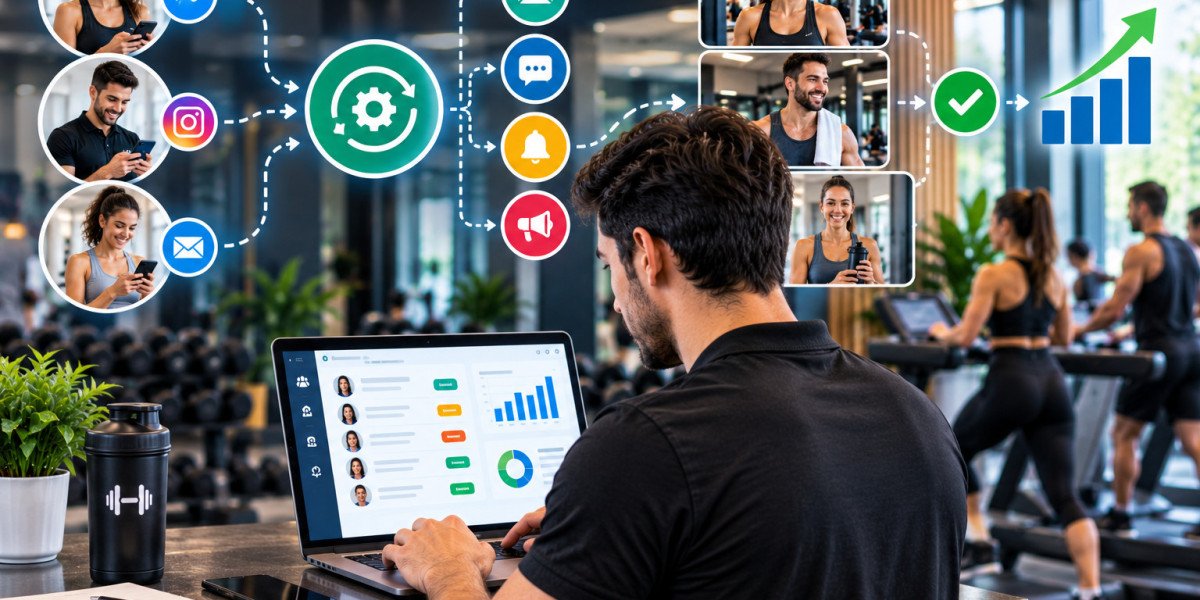

Every gym owner eventually asks the same question: should I use one platform for everything, or combine several specialized tools? The answer affects your budget, your team's workload and the experience your members receive. Modern fitness marketing software spans CRM, email, SMS, landing pages, social scheduling and reporting, while gym marketing automation and fitness marketing automation connect those pieces into smooth workflows. Meanwhile, dedicated fitness email marketing software offers deep communication features. This guide compares the approaches so you can choose with confidence.
Comparing Fitness Marketing Software Options for Your Gym
What Fitness Marketing Software Actually Does
At its core, fitness marketing software helps you attract, convert and retain members. It captures leads from your website and ad campaigns, stores their details in a CRM, sends follow-up messages, tracks bookings and measures outcomes. Advanced platforms add pipeline management, lead scoring, review requests, referral programs and reporting on cost per acquisition. Think of it as the central nervous system of your growth efforts: it listens to what prospects and members do, then triggers the right response automatically.
The All-in-One Approach
All-in-one platforms combine marketing, scheduling, billing and member management in a single system. The biggest advantage is unified data. When a member books a class, pays an invoice or cancels a visit, marketing instantly knows and can respond. Staff learn one interface, support comes from one vendor and reporting is consistent. The downsides can include higher monthly pricing and less flexibility if one module is weaker than a specialist alternative. All-in-one systems suit growing gyms that want simplicity and strong gym marketing automation without technical complexity.
The Best-of-Breed Approach
Some owners prefer assembling separate tools: one for email, another for CRM, another for scheduling and a third for ads. This path offers flexibility and access to the best features in each category. Platforms such as HubSpot, Mailchimp or ActiveCampaign can be paired with booking tools like Mindbody, with Zapier connecting them. The tradeoff is complexity. Data may sync late or incompletely, costs add up across subscriptions and troubleshooting requires more time. This approach works well for tech-comfortable teams with specific needs.
Features That Matter Most
Whatever route you choose, evaluate these essentials: lead capture forms and landing pages, CRM with tagging, email and SMS automation, visual workflow builder, integration with payments and booking, social media scheduling, review management and clear analytics. Mobile access is critical because owners and coaches are rarely at a desk. Look for role-based permissions, strong data security and responsive customer support. A beautiful interface means little if the platform cannot trigger a message when a member misses three classes in a row.
Integration and Data Quality
Integration is the hidden factor behind successful automation. If your marketing tool does not know who is an active member, it may send trial offers to people who already pay monthly, which feels careless and hurts trust. Check for native integrations before relying on third-party connectors, and ask how often data syncs. Clean data also depends on consistent habits: standardized tags, deduplicated contacts and accurate membership statuses. Spend time during setup to define naming conventions so reports remain reliable as your list grows.
Budgeting and Return on Investment
Compare plans using total cost of ownership rather than sticker price. Include setup fees, per-contact charges, SMS credits, extra users and integration costs. Then estimate return. If automation increases trial conversions by five percent and lowers churn by one percent, calculate the added revenue across a year. Many gyms find that retention workflows alone justify the investment. Ask vendors for case studies from businesses similar to yours, and negotiate trial periods or discounts for annual commitments.
Implementation Plan for the First 90 Days
During the first month, import contacts, connect lead sources and build a welcome sequence. In month two, add onboarding emails, class reminders and a reactivation workflow. In month three, introduce referral requests, review requests and A/B tests. Assign one team member to own the system and hold a short weekly review. Train staff to log interactions consistently so that automation and human outreach complement each other. Avoid launching everything at once, since a phased rollout is easier to troubleshoot and refine.
Red Flags When Evaluating Vendors
Be cautious if a vendor refuses a live demo, hides pricing, locks you into long contracts without a trial or cannot explain how your data can be exported. Watch for weak support, slow response times and outdated integrations. Read independent reviews on sites like G2 or Capterra and speak with current customers. A trustworthy provider will welcome questions about security, compliance and migration support.
Frequently Asked Questions
What is the best fitness marketing software for a small gym?
The best option is one that combines CRM, email and SMS automation with simple setup and fair pricing. Start with a free trial and test your key workflows.
Do I need separate fitness email marketing software?
Not necessarily. Many all-in-one platforms include strong email tools. Choose separate software only if you need specialized features.
Can fitness marketing automation work without a CRM?
It is possible but limited. A CRM stores the data that makes personalization and triggers accurate, so it is strongly recommended.
How do I know if gym marketing automation is working?
Monitor lead response time, trial conversions, retention rate and revenue per member. Improvement in these numbers shows the system is effective.
How hard is it to switch platforms later?
It depends on data export options. Ask vendors about migration support and confirm you can export contacts, tags and campaign history.
Final Thoughts
The right fitness marketing software should fit your goals, your team and your budget, whether you pick an all-in-one suite or a connected set of specialist tools. Prioritize integration, retention workflows and clear reporting. If you want membership management, scheduling, payments and automated marketing under one roof, Gym management software offers a practical path to simpler operations and steady, measurable growth.