
A well-maintained swimming pool needs more than clean water. It requires the right equipment for water circulation, filtration, safe entry, and regular cleaning. DS Water Technology supplies a range of swimming pool equipment to meet the needs of residential homes, hotels, clubs, commercial facilities, and institutional pools. Choosing suitable swimming pool accessories, durable swimming pool ladders, and an efficient swimming pool filtration system helps pool owners maintain water quality, improve safety, and simplify daily maintenance. This article explains the role of these products and how to select equipment according to pool size, usage, and maintenance requirements.
Why Does a Swimming Pool Need the Right Equipment?
Swimming pool equipment supports the daily operation of a pool. Each component performs a specific function, from circulating water to helping swimmers enter and leave the pool safely.
The right equipment can help pool owners:
- Maintain better water circulation and cleanliness.
- Reduce the effort required for routine maintenance.
- Improve swimmer safety and accessibility.
- Support the efficient operation of pool systems.
- Keep residential and commercial pools ready for regular use.
Selecting compatible equipment during pool construction or renovation can also help avoid unnecessary replacement costs later.
Swimming Pool Accessories That Support Daily Pool Care
Swimming pool accessories include the supporting products needed to operate, maintain, and improve a swimming pool. The selection depends on the pool's design, location, usage, and maintenance schedule.
Common accessories include:
- Pool pumps and fittings: Help circulate water through the filtration system and connect different components.
- Pool cleaning equipment: Supports the removal of dirt, leaves, and other debris.
- Pool lighting: Improves visibility and creates a more attractive swimming environment when correctly installed.
- Pool covers: Help limit debris entering the water and can reduce evaporation.
- Pool gratings: Cover designated drainage channels and support safer movement around suitable pool areas.
- Heating equipment: Helps maintain the desired water temperature.
- Fountain equipment: Supports decorative water features in suitable pool and landscape designs.
Before purchasing accessories, check their material quality, compatibility, installation requirements, and suitability for the pool environment. Equipment intended for frequent commercial use may require different specifications from products used in a small residential pool.
How to Choose Suitable Swimming Pool Ladders?
Swimming pool ladders provide a practical way for swimmers to enter and exit the water. They are particularly useful in pools where the design does not include convenient built-in steps.
When selecting a ladder, consider the following factors:
- Pool design: The pool's depth, wall construction, deck layout, and available installation space influence the appropriate ladder type.
- Material quality: Pool ladders should use materials suitable for regular exposure to water, cleaning products, and the surrounding environment. Corrosion-resistant materials are particularly important for long-term use.
- Grip and stability: Secure handrails, suitable steps, and proper fixing points help support safer entry and exit.
- User requirements: Residential pools, hotels, clubs, and public facilities may have different accessibility and usage requirements.
- Installation and maintenance: Follow the manufacturer's installation instructions and inspect the ladder periodically for loose fittings, damaged steps, or signs of corrosion.
A properly selected ladder improves convenience, but it does not replace supervision or other necessary pool safety measures.
Understanding a Swimming Pool Filtration System
A swimming pool filtration system removes suspended particles and debris as water circulates through the equipment. It works alongside appropriate water treatment to help maintain suitable swimming conditions.
The filtration process generally involves three stages:
- Water circulation: A pump moves pool water through the filtration equipment.
- Particle removal: The filter captures suspended dirt and other particles, depending on its design and filtration medium.
- Water return: Filtered water returns to the pool through the circulation system.
Correct sizing is important. The system should suit the pool's water volume, expected usage, plumbing arrangement, and required circulation rate. Undersized equipment may struggle to handle the pool's demands, while poorly matched components can affect performance and operating costs.
Filtration alone does not disinfect pool water. Regular water testing, suitable disinfection, and proper chemical balance remain necessary for effective pool maintenance.
What Should You Know About Swimming Pool Filters?
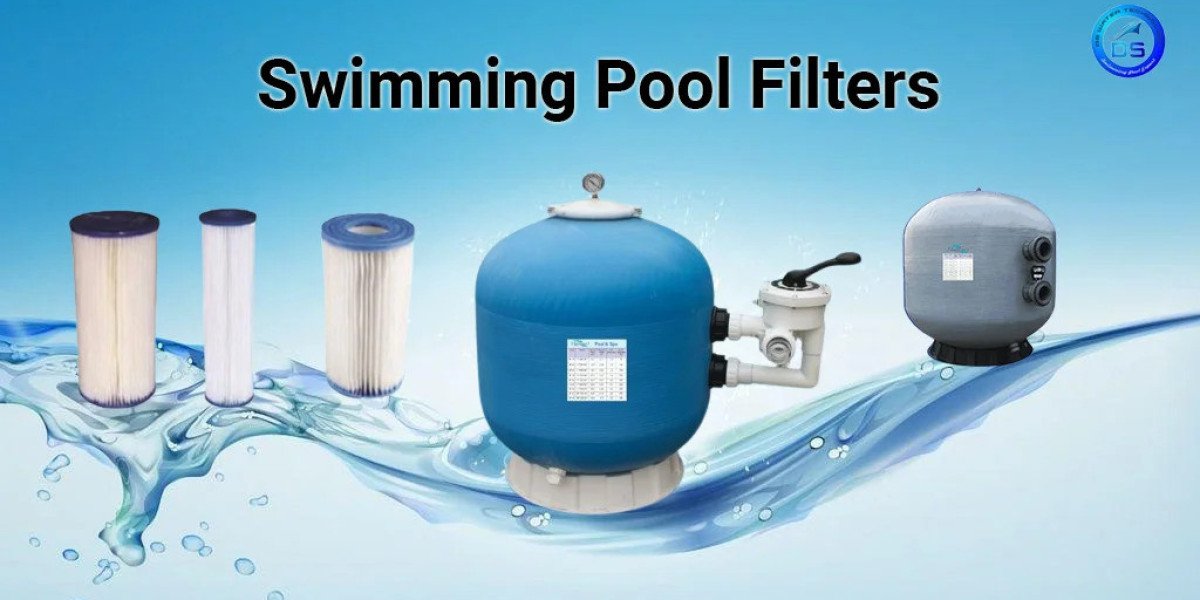
Swimming pool filters are available in different designs, each with its own operating requirements and maintenance needs. Understanding the main options makes it easier to choose equipment for a particular pool.
Sand filters: These use specially graded filter media to trap suspended particles. They are commonly selected for their straightforward operation and practical maintenance requirements.
Cartridge filters: These use removable filter cartridges to capture debris. Depending on the model, cleaning involves rinsing the cartridge or replacing it when necessary.
Diatomaceous earth filters: These use a fine filtration medium to capture smaller particles. They can provide fine filtration but require careful handling and maintenance according to the manufacturer's instructions.
The best choice depends on filtration requirements, available installation space, maintenance preferences, water conditions, and the manufacturer's specifications. Pool owners should also consider the availability and cost of replacement media or cartridges.
How to Select Equipment for Residential and Commercial Pools?
Equipment selection should begin with an assessment of how the pool will be used. A private home pool may have different operating demands from a hotel, sports club, school, or public swimming facility.
Before making a purchase, consider these points:
- Calculate the pool's water volume and required circulation rate.
- Match the pump, filter, and plumbing components.
- Select ladders appropriate for the pool structure and users.
- Choose accessories based on actual maintenance and operating needs.
- Check installation instructions, warranty terms, and replacement-part availability.
- Establish a regular inspection, cleaning, and water-testing schedule.
For larger or frequently used pools, professional guidance can help determine suitable equipment specifications and avoid compatibility issues.
Conclusion
Choosing appropriate swimming pool equipment supports water cleanliness, safe access, and efficient pool maintenance. Quality accessories, correctly installed ladders, and properly sized filtration equipment each contribute to the pool's overall performance. Regular cleaning, filter maintenance, water testing, and timely equipment inspections are also essential for keeping a pool in good condition.
DS Water Technology offers swimming pool equipment for residential and commercial applications, including hotels, clubs, and institutional facilities. Its product range includes swimming pool accessories, swimming pool ladders, pumps, fittings, lighting, cleaning equipment, and filtration solutions. By considering pool size, usage, installation needs, and maintenance requirements, customers can identify suitable products for their projects and plan for dependable pool operation over time.