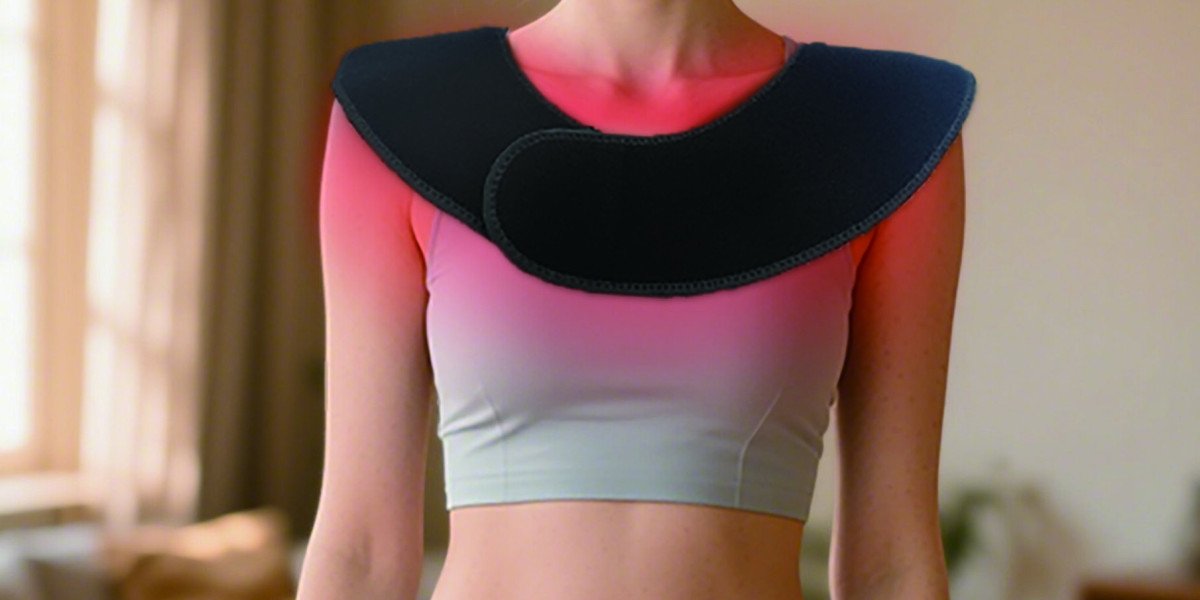

Modern lifestyles often leave people searching for convenient ways to relax, recover after physical activity, and maintain healthy daily routines. As wellness technology continues to evolve, light-based devices are attracting attention for their potential applications. One option gaining interest is the red light therapy blanket, which offers a flexible format for incorporating red and near-infrared light into a personal wellness routine.
What Is a Red Light Therapy Blanket?
A red light therapy blanket is a device designed to deliver red light, near-infrared light, or both across a broad area of the body. Unlike small handheld devices, blanket-style products can provide wider coverage, depending on their design and specifications. Their flexible construction may also make them convenient to store and use in suitable home settings.
Red and near-infrared light are studied in a field known as photobiomodulation. This technology investigates how specific wavelengths of light interact with biological tissues and cellular processes. Research is ongoing, and outcomes can differ according to wavelength, light intensity, treatment duration, and individual needs.
For people exploring red light therapy blanket solutions, understanding the technology and its intended applications is an important first step toward choosing an appropriate product.
Potential Applications for Everyday Wellness
Light therapy products are being researched for several wellness and recovery applications. Although evidence varies by use, blanket-style devices offer a convenient format for people interested in exploring this technology.
Some potential areas of interest include:
Post-exercise recovery: Researchers are investigating whether certain light therapy applications may support muscle recovery after physical activity.
Relaxation routines: A quiet session may complement habits focused on rest and general well-being.
Broad treatment coverage: Depending on the product, a blanket may cover a larger area than a compact handheld device.
Convenient home use: Portable designs can make it easier to follow a manufacturer's recommended routine in a familiar environment.
These possibilities should not be viewed as guaranteed results. Light therapy is not a substitute for medical care, and a device should not be used to self-treat an undiagnosed condition.
Choosing a Suitable Light Therapy Blanket
Selecting the right product involves evaluating its specifications, construction, and intended use. Start by checking the wavelengths offered, treatment coverage, light output information, temperature controls if applicable, and recommended session duration.
Product quality and usability are also important. Look for clear operating instructions, reliable safety information, suitable materials, and straightforward maintenance requirements. A manufacturer's transparent product documentation can help buyers compare devices and understand their features.
SinocoTherapy provides information about light therapy equipment for people exploring modern wellness solutions. Reviewing product details before purchasing can help consumers determine whether a blanket-style device aligns with their preferences and intended routine.
Safety and Responsible Use
Always follow the manufacturer's instructions and avoid exceeding recommended exposure times. Do not assume that longer sessions or higher intensity will produce better outcomes. Depending on the device, eye protection or other precautions may be necessary.
People with photosensitivity, relevant medical conditions, or concerns about medications that increase light sensitivity should consult a qualified healthcare professional before using light therapy equipment. Anyone experiencing persistent pain or unusual symptoms should seek appropriate medical advice.
For a balanced approach to wellness, combine suitable technology with regular physical activity, adequate sleep, hydration, and nutritious meals.
Conclusion
A red light therapy blanket can offer a convenient way to explore light-based wellness technology. By comparing product specifications, understanding realistic expectations, and following safety guidance, consumers can make informed decisions about incorporating these devices into their routines. Responsible use and healthy everyday habits remain essential to a balanced approach to personal wellness.