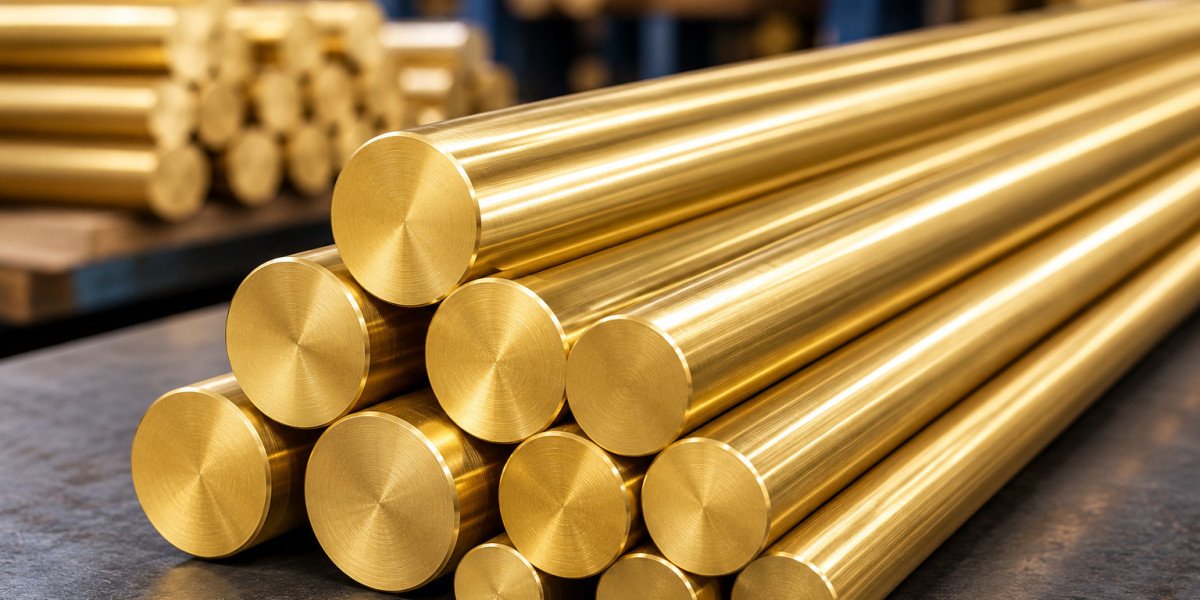

Choosing the right brass material is an important step in any industrial manufacturing process. The material you select can affect machining quality, product durability, dimensional accuracy and overall production efficiency. Whether you manufacture engineering components, electrical fittings, plumbing parts or precision-turned products, selecting the correct rod helps ensure that the finished components meet the required specifications.
A brass extrusion rod is widely used in industrial applications because it offers a useful combination of strength, corrosion resistance, machinability and good electrical and thermal conductivity. However, not every brass rod is suitable for every application. Understanding the intended use, material grade, dimensions and manufacturing requirements can help you make a practical choice for your production needs.
Understand Your Industrial Application
Before selecting a brass rod, consider how the finished component will be used. Different industries have different material requirements, and the right choice depends on the working conditions of the final product.
For example, electrical components may require good conductivity, while plumbing fittings need suitable corrosion resistance and reliable performance in contact with water. Precision-machined components may require consistent material properties to achieve accurate dimensions and a smooth surface finish.
Understanding the purpose of the component helps narrow down the available material options and prevents unnecessary processing difficulties later.
Select the Appropriate Brass Grade
Brass is available in several grades, each with its own composition and performance characteristics. The proportion of copper, zinc and other alloying elements influences properties such as strength, hardness, machinability and corrosion resistance.
Some brass grades are suitable for high-speed machining, while others may be better suited to forming or applications that require particular mechanical properties. Selecting a grade based only on general specifications may not be enough for specialised industrial requirements.
Always review the material grade against the technical requirements of your finished component. If the application has specific standards, confirm that the selected material meets those requirements before placing an order.
Check the Required Diameter and Dimensions
Dimensional accuracy plays a major role in industrial manufacturing. Brass rods are available in different diameters and lengths to suit a wide range of machining and fabrication processes.
Choosing the correct diameter helps reduce excess machining, material waste and production time. It is also important to check the dimensional tolerances, straightness and consistency of the rod. Even small variations can create difficulties when manufacturing precision components in large quantities.
Before finalising your selection, confirm the required dimensions with your engineering drawings and production specifications. This simple step can help maintain consistency across multiple manufacturing batches.
Evaluate Machinability and Surface Finish
Machinability is another important consideration, particularly for manufacturers producing turned parts, threaded fittings and precision-engineered components. A suitable brass material should work well with the intended machining process and help achieve the required finish.
The right combination of material grade, cutting tools and machining conditions can improve production efficiency and reduce tool wear. Surface quality also matters because scratches, cracks or other visible defects may affect the suitability of a rod for certain applications.
Inspect the material before processing and check whether its surface condition meets your manufacturing standards. Consistent quality can make production planning easier and support more reliable finished products.
Consider Corrosion Resistance and Durability
Industrial components may operate in humid environments or come into contact with water, chemicals or other substances. In these situations, corrosion resistance becomes an important factor in material selection.
Different brass grades perform differently depending on their composition and the environment in which they are used. Therefore, it is essential to consider operating conditions rather than assuming that every brass alloy will offer the same level of protection.
For demanding applications, review the relevant material data and confirm that the selected grade is suitable for the expected exposure conditions. This can help improve component service life and reduce premature replacement.
Verify Quality and Material Documentation
Reliable material quality supports consistent manufacturing results. Before choosing a supplier, review the availability of material test certificates, grade identification and dimensional inspection records where required.
Documentation helps confirm that the supplied rods match the agreed specifications. It can also make quality control easier when materials are used in regulated or specification-driven manufacturing processes.
Checking quality standards, batch consistency and delivery requirements before ordering can help prevent delays and avoid problems during production.
Make a Practical and Informed Selection
Choosing the right brass rod involves more than comparing dimensions or selecting the most familiar grade. You need to consider the finished product, machining method, material properties, dimensional tolerances and operating environment together.
When these factors are evaluated carefully, manufacturers can select materials that suit their production requirements and support consistent product quality. Taking time to confirm specifications before ordering can also reduce waste and make industrial manufacturing more efficient.
Ultimately, the best choice is the material that meets your technical requirements, performs reliably in its intended application and maintains consistency throughout the production process.