
Visiting India for the first time can feel exciting and overwhelming at the same time. From busy city streets and historic monuments to regional food and colorful markets, there is a great deal to discover. For international travelers, Delhi, Agra, and Jaipur provide an excellent introduction to the country's history, culture, and architectural heritage. However, planning transportation, accommodation, sightseeing, and daily schedules independently can take considerable time.
This is where India Golden Triangle Tour Packages can make the planning process easier. By connecting three of northern India's most popular destinations in one itinerary, they help travelers organize their time, compare services, and understand what to expect before arriving. The key is choosing an arrangement that suits your interests, budget, and preferred travel pace.
1. Understand Why Delhi, Agra, and Jaipur Make a Good Starting Point
The Golden Triangle brings together three cities with distinct experiences, allowing first-time visitors to discover different sides of India without planning an entirely separate trip for each destination.
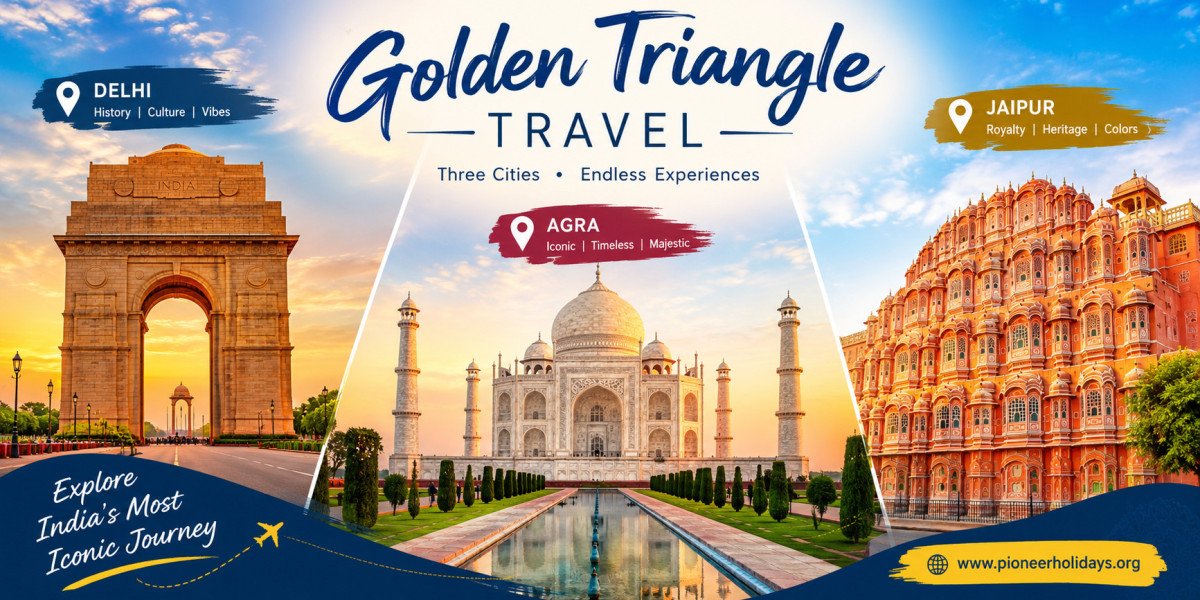
Delhi combines historical landmarks with modern city life. Visitors can explore Humayun's Tomb, Qutub Minar, India Gate, and the lively streets of Old Delhi. The city also offers a wide range of regional cuisines and shopping experiences.
Agra is best known for the Taj Mahal, a remarkable example of Mughal architecture. Agra Fort provides further insight into the city's imperial history. Visiting the Taj Mahal early in the day can be a good choice, particularly during warmer months.
Jaipur introduces travelers to Rajasthan's royal heritage through attractions such as Amber Fort, Hawa Mahal, and the City Palace. Traditional crafts, textiles, and local cuisine also make the city worth exploring beyond its major monuments.
Together, these destinations provide a varied introduction to Indian culture while keeping the overall route manageable for travelers with limited time.
2. Choose an Itinerary That Fits Your Available Time
One of the biggest advantages of comparing organized itineraries is understanding how the number of days affects sightseeing opportunities. A short trip may cover the main highlights, but a longer schedule generally allows more time to explore without rushing.
Two days: Best for visitors with extremely limited time. A 2 Days Golden Triangle Tour requires careful prioritization because travel and sightseeing must fit into a tight schedule.
Three days: A 3 Days Golden Triangle Tour can suit travelers seeking a brief introduction to the three destinations.
Four days: A 4 Day Golden Triangle Tour may provide a more balanced combination of sightseeing and transportation.
Five days: A 5 Days Golden Triangle Tour offers more opportunities to include local experiences and flexible sightseeing time.
Six days: A 6 Days Golden Triangle Tour can suit visitors who prefer a more relaxed pace.
Before selecting an itinerary, check the actual arrival and departure times, hotel nights, travel distances, and attractions included. A package's advertised duration does not necessarily mean that every day is available for sightseeing.
3. Make Transportation and Accommodation Easier to Manage
For first-time visitors, transportation is often one of the most challenging parts of planning a trip to India. Road conditions, traffic, unfamiliar railway stations, and luggage transfers can complicate an otherwise straightforward itinerary.
Organized tours may simplify these arrangements by coordinating transfers between hotels, railway stations, airports, and sightseeing locations. Private transportation can offer greater flexibility, while trains may be appropriate for selected journeys when their schedules fit the plan.
Accommodation also deserves attention. Compare hotel locations, room categories, breakfast arrangements, cancellation policies, and the distance from major attractions. Staying somewhere convenient can reduce unnecessary travel time.
Before confirming a booking, ask whether monument entrance fees, local guides, meals, tolls, parking, and airport transfers are included. Clear information helps prevent unexpected expenses and makes it easier to compare packages fairly.
4. Add Destinations That Match Your Interests
First-time visitors who have additional days in India may want to explore beyond the classic three-city route. Choosing an extension based on personal interests can make the journey more rewarding.
Wildlife enthusiasts may consider a Golden Triangle Tour with Ranthambore. The park offers opportunities to experience India's wildlife, although animal sightings are never guaranteed.
Travelers interested in religious traditions and historic riverfronts can explore a Golden Triangle Tour with Varanasi. Those curious about Sikh heritage and Punjabi culture may prefer a Golden Triangle Tour with Amritsar.
For royal architecture and lake views, a Golden Triangle Tour with Udaipur offers a different experience. Travelers wanting to explore two prominent Rajasthani cities can compare a Golden Triangle Tour with Jodhpur and Udaipur.
Those with more time may choose a Golden Triangle Tour with Rajasthan for a broader regional journey. Alternatively, a Golden Triangle Tour with Pushkar and Jodhpur combines the classic circuit with additional cultural and heritage experiences.
When considering an extension, calculate the additional travel time carefully. Visiting fewer places comfortably is often better than spending most of the holiday moving between destinations.
5. Compare Tour Operators Before Making a Decision
A good itinerary is only one part of a successful trip. First-time visitors should also evaluate the operator's reliability, communication, booking terms, and approach to customer support.
Look for detailed itineraries, transparent pricing, clear cancellation policies, and verifiable contact information. Recent customer reviews can provide useful insights into punctuality, guide quality, transportation, and how problems are handled.
Ask practical questions before paying: Who will meet you on arrival? Is the driver available throughout the day? Are local guides included? What happens if weather or traffic disrupts the schedule?
Travelers can compare available India Golden Triangle Tour Packages to understand the different itinerary options. Reviewing the services and booking information provided by Pioneer Holidays can also help travelers assess whether an itinerary meets their requirements.
Frequently Asked Questions
Is the Golden Triangle suitable for first-time visitors to India?
Yes. Delhi, Agra, and Jaipur provide a broad introduction to Indian history, architecture, food, and cultural traditions. Advance planning can make transportation and sightseeing easier to manage.
How many days should first-time visitors spend on the Golden Triangle?
Four to six days generally provide more flexibility for sightseeing and local experiences. Three days can work for a shorter trip, while two days requires a much faster pace.
When is a good time to visit the Golden Triangle?
October through March is generally popular because temperatures are often more comfortable for sightseeing. Winter fog can affect visibility and transport schedules, while summer heat may make outdoor activities more demanding.
Conclusion
Planning a first visit to India becomes easier when you understand the route, compare realistic itineraries, and arrange transportation and accommodation in advance. The Golden Triangle offers an accessible introduction to Delhi's history, Agra's Mughal heritage, and Jaipur's royal architecture.
Well-chosen India Golden Triangle Tour Packages can reduce planning uncertainty and help international visitors make better use of their time. Compare the inclusions, schedule, flexibility, and operator reliability before booking. With a realistic itinerary and a little preparation, your first journey through India can be comfortable, enriching, and memorable.