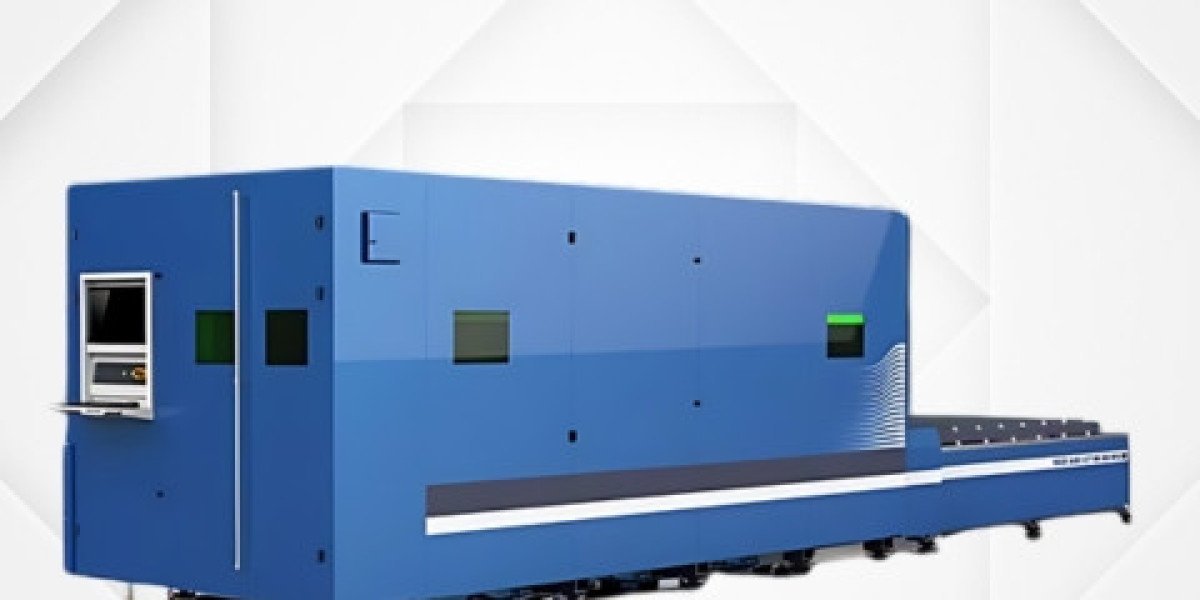

A sheet metal laser cutting machine is an advanced industrial solution designed to cut metal sheets with high precision, speed, and consistency. It uses a focused laser beam to cut materials into specific shapes and sizes according to digital designs. This technology is widely used in manufacturing, automotive production, construction, electrical equipment, and metal fabrication workshops.
As industries demand faster production and more accurate components, laser cutting technology has become an essential part of modern metalworking. Businesses can use these systems to handle customized designs, complex patterns, and large-scale manufacturing projects while maintaining consistent cutting quality.
How Does a Sheet Metal Laser Cutting Machine Work?
The cutting process begins with a digital design created using CAD software. The design is transferred to the machine's control system, which guides the laser head along the required cutting path.
A powerful laser generates concentrated heat that melts or vaporizes the metal in a controlled area. Assist gas, such as nitrogen, oxygen, or compressed air, may be used to remove molten material from the cutting zone. The appropriate gas depends on the metal type, thickness, desired edge quality, and cutting process.
A modern sheet metal laser cutting machine can produce intricate shapes, small holes, straight cuts, and detailed profiles with excellent repeatability. Operators can adjust cutting parameters to suit different materials and production requirements.
Materials Suitable for Laser Cutting
Laser cutting systems can process a variety of sheet metals, depending on the machine's laser power and configuration.
Stainless Steel
Stainless steel is commonly used in kitchen equipment, medical products, industrial enclosures, and decorative components. Laser cutting helps produce clean edges and detailed designs for these applications.
Carbon Steel
Carbon steel is widely used in construction, machinery, automotive components, and structural fabrication. Fiber laser systems can cut many carbon steel thicknesses efficiently when the power and process settings are suitable.
Aluminum
Aluminum sheets are used in transportation, electronics, lighting, and lightweight structures. Cutting aluminum requires appropriate laser power, parameter settings, and safety precautions because of its reflective properties.
Brass and Copper
Brass and copper are found in electrical components, decorative products, and specialized industrial parts. These materials require suitable equipment and process settings because they reflect laser energy more strongly than many common metals.
Important Factors When Choosing a Machine
Selecting the right equipment starts with understanding your production needs. Consider the following factors before making a purchase.
Laser Power: Available power ratings influence cutting speed and the thickness of material the machine can process. Higher power is not automatically necessary for every workshop.
Working Area: Choose a cutting bed that accommodates your standard sheet sizes and allows efficient material handling.
Cutting Accuracy: Examine positioning accuracy, repeatability, motion-system quality, and the consistency of the finished edges.
Automation: Automatic loading and unloading systems can support higher production volumes and reduce manual handling requirements.
Software Compatibility: The control software should support your design workflow, nesting requirements, and production planning.
After-Sales Support: Reliable installation, operator training, spare parts, and technical assistance can help maintain productivity over the machine's service life.
Applications Across Different Industries
A sheet metal laser cutting machine supports many manufacturing processes. Automotive companies use laser-cut components for brackets, panels, and structural parts. Construction businesses rely on accurately cut metal sections for building systems and architectural applications.
Electrical manufacturers use laser-cut sheets for cabinets, control panels, and equipment enclosures. Furniture producers create metal frames, decorative panels, and customized designs, while industrial workshops manufacture machine covers, mounting plates, and precision components.
The technology is also suitable for businesses that handle small customized orders alongside regular production runs. With digital design files and appropriate material settings, manufacturers can switch between different cutting patterns without creating dedicated cutting tools for every design.
Maintenance and Workplace Safety
Regular maintenance helps preserve cutting quality and reduce unexpected downtime. Operators should inspect the cutting nozzle, protective windows, assist-gas system, and motion components according to the manufacturer's maintenance schedule. Optical components must be cleaned or replaced using the recommended procedures.
Proper ventilation and fume extraction are important because laser cutting can generate smoke, metal particles, and hazardous fumes depending on the material and any surface coatings.
A sheet metal laser cutting machine should be operated with suitable machine guarding, interlocks, protective enclosures, and laser-safety procedures. Operators must receive appropriate training and follow the manufacturer's instructions. Reflective metals and certain coatings require particular attention to process safety.
Final Thoughts
Investing in a sheet metal laser cutting machine can help manufacturers improve production consistency, handle complex designs, and meet changing customer requirements. The best system depends on the materials being processed, sheet thickness, production volume, required cutting quality, and available workspace.
Before purchasing, compare machine specifications, request sample cuts using your actual materials, and evaluate the supplier's technical support. Choosing equipment that matches your production goals can help build a reliable and efficient metal fabrication operation.







