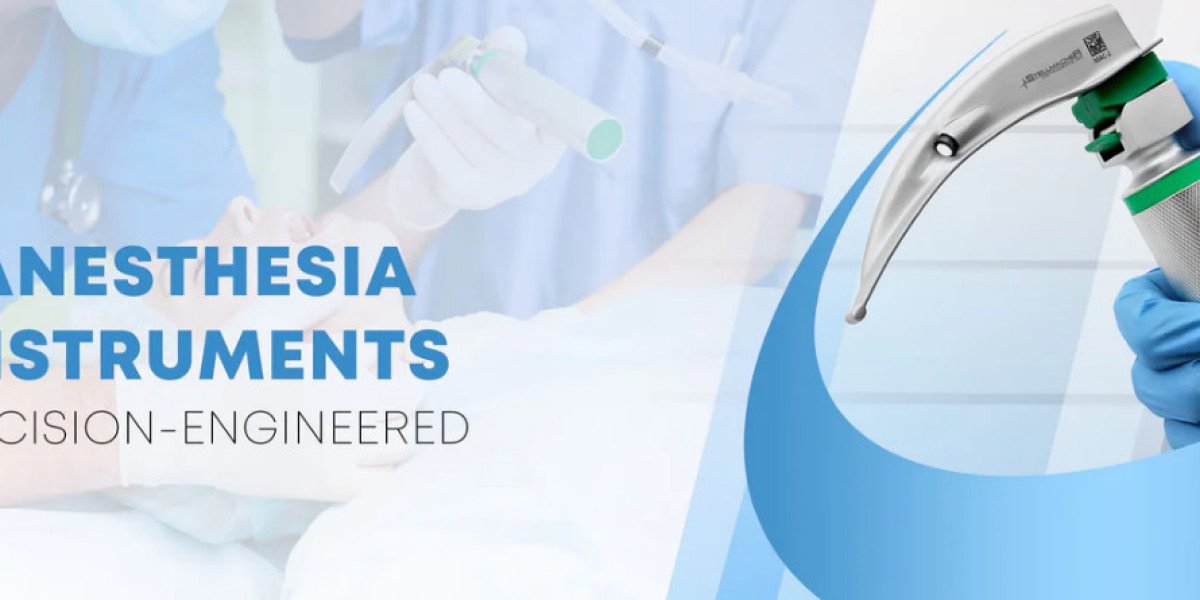

Bulk orders can save a clinic or hospital a significant amount of money, but they also magnify the consequences of a bad purchasing decision. If a vendor delivers substandard instruments or uncertified equipment in large quantities, the cost is not just financial, it can affect patient safety, regulatory standing, and the reputation of the entire facility. That is why verifying quality and certifications at a surgical supply store or medical equipment shop is a step that should never be skipped before committing to a large order. Here is a practical way to approach that verification process.
1. Ask for Valid Licenses and Registration Documents:
The first step is to confirm that the surgical supply store or medical equipment shop is legally authorized to sell medical products in your region. This usually means requesting a copy of their business license, drug or device distribution license where applicable, and any registration issued by the national or regional health authority. A genuine vendor will provide these documents without hesitation, and if they are reluctant, delay, or offer only vague answers, that is a clear signal to proceed with caution.
2. Check Regulatory Approvals for Each Product:
A vendor holding a general license does not automatically mean every product they sell is approved. It is important to check that the specific instruments and devices you plan to order carry the relevant regulatory approval, such as FDA clearance, CE marking, or approval from your local drug regulatory authority. Ask the surgical supply store or medical equipment shop for product-level documentation and, where possible, cross-check the approval numbers directly on the official regulator's website rather than relying only on what the vendor provides.
3. Look for ISO and Quality Management Certifications:
Certifications such as ISO 13485, which applies specifically to medical device quality management, show that a manufacturer or supplier follows consistent and documented quality processes. When buying in bulk, it is worth asking whether the vendor and the manufacturers they source from hold these certifications, and whether the certificates are current. Expired or unverifiable certificates should be treated as seriously as missing ones.
4. Verify the Manufacturer and Source of the Products:
Understanding where the products actually come from is just as important as checking the vendor. A reliable surgical supply store or medical equipment shop should be able to tell you who the original manufacturer is, where the goods are produced, and how they reach the shop. Beware of products with unclear origin, missing labels, or inconsistent branding, as these are common signs of counterfeit or grey market items that can slip into bulk shipments.
5. Request Product Samples Before the Full Order:
Before placing a large order, ask the vendor for samples of the key items you intend to buy. Inspect the material quality, finish, packaging, and labeling, and where possible have your clinical or sterilization staff test the instruments in real conditions. For equipment, a demonstration or trial period can reveal performance issues that specifications on paper will not show. A vendor confident in their products will usually welcome this step.
6. Inspect Packaging, Labeling, and Sterilization Details:
Packaging tells you a lot about quality control. Check that products are properly sealed, clearly labeled with batch or lot numbers, and marked with manufacturing and expiry dates where relevant. For sterile items, confirm that sterilization indicators are present and that the packaging is intact. Inconsistent labeling or damaged packaging across a sample batch is a strong reason to reconsider the order before it is finalized.
7. Review Warranty, Return, and Replacement Policies in Writing:
Bulk orders should always be backed by clear written terms covering warranty periods, return conditions, and replacement procedures for defective items. A trustworthy surgical supply store or medical equipment shop will outline what happens if a portion of the shipment fails inspection or does not meet agreed specifications. Having these terms documented before payment protects your facility and gives you leverage if problems arise later.
8. Check References and Reputation:
Finally, speak with other clinics or hospitals that have bought in bulk from the same vendor. Ask about product consistency, delivery reliability, and how the vendor handled any problems. Online reviews can add context, but direct feedback from peers in the healthcare community is often more reliable. A vendor with a solid track record will usually have no difficulty connecting you with satisfied customers.
Final Thoughts:
Verifying quality and certifications before a bulk purchase takes time, but it is far less costly than dealing with defective instruments or non-compliant equipment after the fact. By checking licenses, product-level approvals, manufacturer details, samples, and written policies, you can place large orders with a surgical supply store or medical equipment shop with much greater confidence. A thorough verification process protects your patients, your budget, and your facility's long-term credibility.