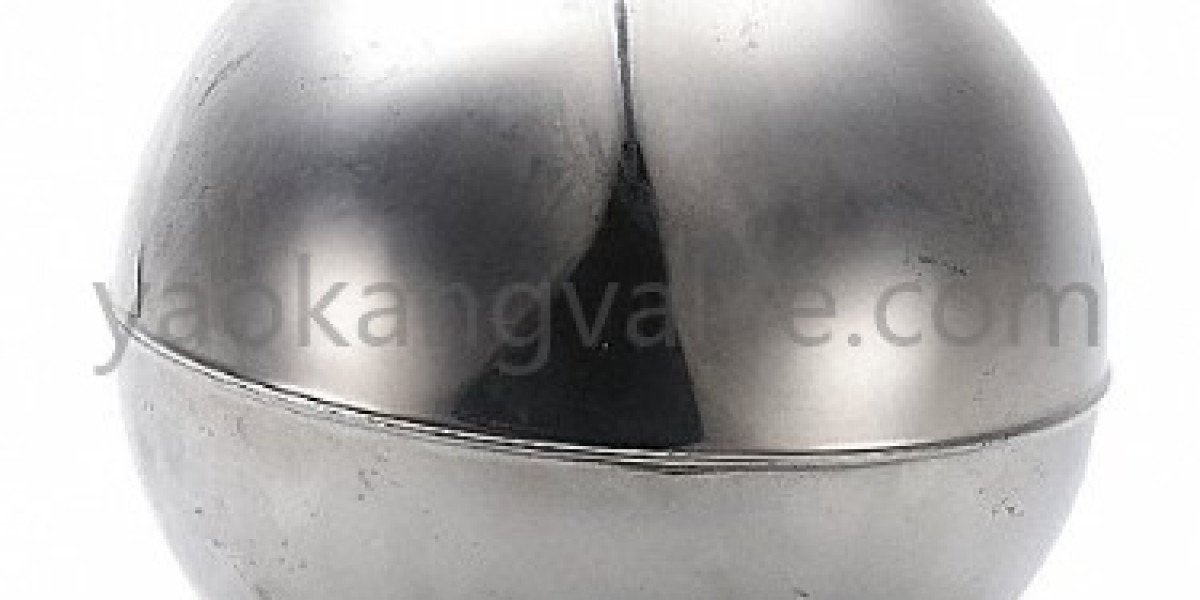

Industrial equipment manufacturers often require metal components that combine consistent dimensions with suitable resistance to corrosion and mechanical wear. A Stainless Steel Float Ball Manufacturer can support these requirements by producing components for float valves, liquid storage systems, and selected fluid management applications. For purchasing teams, supplier evaluation should focus on technical capability, material selection, production consistency, inspection procedures, and the ability to accommodate customized specifications.
The operating environment should guide the initial material decision. Stainless steel offers useful strength and corrosion resistance in many applications, but its performance varies according to grade and exposure conditions. Factors such as liquid composition, temperature, cleaning chemicals, and surrounding humidity can influence material suitability. Buyers should specify the intended service conditions and confirm the recommended grade with the supplier before finalizing the order. This is particularly important when the component will operate in a demanding industrial environment.
Product geometry is closely connected to function. Diameter, wall thickness, roundness, and construction details can influence buoyancy and movement within the connected valve mechanism. A component that does not meet the equipment's dimensional requirements may cause assembly difficulties or inconsistent operation. Manufacturers should work from approved technical drawings and establish suitable tolerances for critical dimensions. For new designs, prototype or sample evaluation can help confirm that the component fits the intended assembly.
Manufacturing processes depend on the selected structure and required performance. Forming, welding, machining, and surface finishing may be used as appropriate. Consistent process control helps maintain shape, surface quality, and structural integrity. Where welding is part of the design, inspection should address the quality of the joints and any applicable leakage requirements. The final manufacturing specification should also define the required surface finish and identify any features that need particular attention during inspection.
A structured quality control plan supports reliable production. Depending on the application, checks may cover raw material identification, dimensional accuracy, visual condition, weld quality, and product integrity. Additional testing should be selected according to the design and operating requirements rather than applied without a clear purpose. Buyers should confirm the inspection scope, acceptance criteria, and documentation requirements before mass production begins. These arrangements help both parties evaluate whether the finished products meet the agreed specification.
Customization can help manufacturers integrate components into specialized equipment. Depending on production capabilities, options may include different diameters, material grades, wall thicknesses, surface finishes, and packaging arrangements. A complete inquiry should include technical drawings, the expected order quantity, the working environment, and any relevant quality standards. Clear information allows the supplier to assess manufacturing feasibility and provide a more accurate quotation. It can also reduce unnecessary revisions during the sampling stage.
Supply reliability matters to companies that depend on regular component deliveries. Buyers should discuss production lead times, minimum order quantities, sample availability, packaging, and shipping arrangements before confirming an order. For recurring purchases, maintaining a controlled version of the approved drawing and recording any specification changes can help prevent inconsistencies. These practices are especially useful for distributors and OEM producers managing multiple component types or repeat production schedules.
Total procurement cost should be assessed alongside technical performance. A low initial price may not represent the best value if dimensional variation, unsuitable materials, or inconsistent delivery creates additional costs. Buyers should compare suppliers using clearly defined specifications and equivalent inspection requirements. Evaluating samples and discussing corrective-action procedures can provide further insight into how a supplier manages quality issues and supports ongoing cooperation.
For international buyers, communication is another important part of supplier selection. Clear quotations, consistent product descriptions, timely updates, and accurate packaging information can simplify coordination between purchasing, production, and logistics teams. A supplier that understands the buyer's technical requirements is better positioned to support repeat orders and customized projects. Establishing expectations at the beginning of the relationship helps reduce uncertainty throughout the procurement process.
Selecting a qualified Stainless Steel Float Ball Manufacturer requires a balanced assessment of material compatibility, dimensional precision, manufacturing controls, and supply capability. Buyers should confirm that the proposed component suits the actual operating conditions and that quality expectations are documented before production. Yongjia County Yaokang Technology Co., Ltd. provides product information for industrial valve applications. Visit https://www.yaokangvalve.com/product/ to review available options and discuss customized sourcing requirements.







