
Must-Have Motorcycle Accessories for Comfort, Safety, and Everyday Riding
Motorcycle riding offers a unique combination of freedom, convenience, and adventure. Whether you're commuting through busy city streets, enjoying scenic highways, or taking longer weekend trips, the right motorcycle accessories can make every ride more comfortable and practical.
Accessories are more than decorative upgrades. Many contribute to rider protection, improved visibility, convenient storage, and better everyday functionality. Selecting the right equipment depends on your motorcycle model, riding habits, and personal requirements.
Understanding the different types of motorcycle accessories can help riders make informed decisions while keeping their bikes ready for changing road conditions.
Why Motorcycle Accessories Matter
Every motorcycle is designed with specific performance characteristics, but riders often have different expectations regarding comfort, appearance, and convenience.
Some riders prioritize protective equipment, while others focus on luggage solutions, visibility improvements, or ergonomic adjustments.
Quality accessories can improve the overall ownership experience when they are properly selected and installed.
However, compatibility is essential. Components should match the motorcycle's specifications and should not interfere with steering, braking, electrical systems, or other safety-related functions.
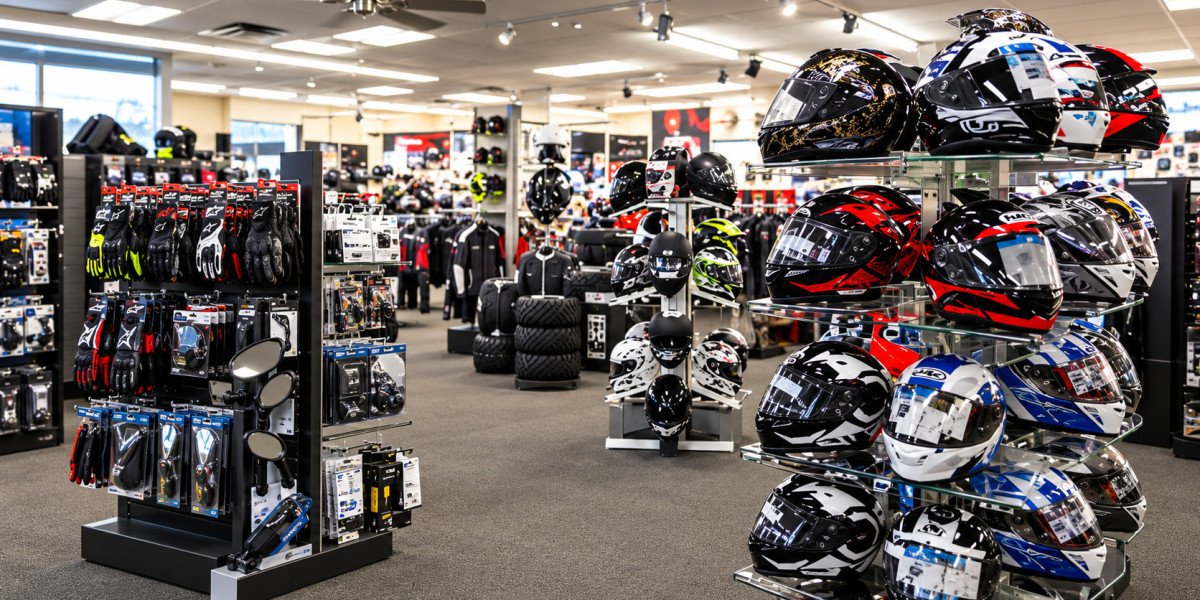
1. Motorcycle Helmets for Rider Protection
A motorcycle helmet is one of the most important pieces of protective equipment a rider can own.
Helmets are designed to help reduce the risk of head injuries during an accident. Different styles are available, including full-face, modular, open-face, and off-road helmets.
Full-face helmets provide coverage around the head, chin, and face, making them a common choice for road riding.
When selecting a helmet, riders should consider fit, ventilation, visibility, weight, and applicable safety certifications.
In the United States, road-use helmets should meet Federal Motor Vehicle Safety Standard 218, commonly identified by DOT certification.
A properly fitted helmet should remain secure without creating uncomfortable pressure points.
2. Motorcycle Gloves for Better Grip and Comfort
Motorcycle gloves help protect the hands while improving contact with the handlebars.
During longer rides, wind exposure, vibration, and changing temperatures can contribute to discomfort.
Purpose-built riding gloves may include reinforced palms, knuckle protection, abrasion-resistant materials, and adjustable wrist closures.
Lightweight ventilated gloves may be suitable for warmer weather, while insulated or weather-resistant gloves can provide additional comfort in cooler conditions.
Choosing gloves that fit properly is important because oversized gloves can reduce control sensitivity.
3. Motorcycle Windscreens for Wind Protection
Wind exposure can become tiring during extended highway riding.
A properly selected motorcycle windscreen helps redirect airflow around the rider, potentially reducing wind pressure on the upper body.
Windscreens are available in different heights, shapes, and materials to accommodate various motorcycle designs.
Touring motorcycles often use larger windscreens, while sport and standard motorcycles may feature smaller aerodynamic options.
Riders should select a windscreen compatible with their motorcycle and preferred riding posture.
Poorly positioned windscreens can create unwanted turbulence, so proper installation and adjustment are important.
4. Motorcycle Mirrors for Improved Visibility
Clear rearward visibility is essential for navigating traffic safely.
Motorcycle mirrors help riders monitor surrounding vehicles when changing lanes, turning, or approaching intersections.
Replacement mirrors are available in different shapes, sizes, and mounting configurations.
When upgrading mirrors, prioritize a clear field of view rather than appearance alone.
Mirrors should be positioned so riders can monitor traffic without excessive head movement.
Any replacement should meet applicable road-use requirements.
5. Motorcycle LED Lighting Accessories
Visibility is particularly important during nighttime riding and low-light conditions.
Depending on the motorcycle, lighting accessories may include auxiliary driving lights, replacement turn signals, and additional visibility equipment.
LED lighting is popular because of its energy efficiency and compact design.
However, electrical compatibility and legal compliance should always be considered before installing aftermarket lighting.
Poorly installed or overly bright lighting can create glare for other road users.
Riders should choose approved lighting equipment designed for their specific motorcycle and intended use.
6. Motorcycle Phone Mounts and Navigation Equipment
Navigation accessories have become increasingly useful for everyday riders.
A secure motorcycle phone mount can help position a navigation device within the rider's field of view.
Some mounts include vibration-dampening features designed to reduce exposure to motorcycle engine vibration.
When choosing a mount, consider handlebar compatibility, attachment security, weather protection, and device size.
Navigation equipment should never obstruct the instrument cluster or interfere with motorcycle controls.
Riders should also avoid interacting with phones while moving.
7. Motorcycle Luggage and Storage Accessories
Storage can be a challenge on motorcycles, particularly during longer trips.
Motorcycle luggage accessories provide practical solutions for carrying personal items, rain equipment, tools, and travel essentials.
Common options include tank bags, tail bags, saddlebags, and hard luggage cases.
Each type offers different advantages depending on storage capacity and motorcycle compatibility.
Tank bags provide easy access to smaller items, while saddlebags and top cases are useful for additional belongings.
It is essential to follow the manufacturer's weight limits and secure luggage properly to avoid affecting vehicle handling.
8. Motorcycle Grips and Handlebar Accessories
Comfortable handlebars and grips can make a noticeable difference during long rides.
Motorcycle grips are available in different materials, textures, and thicknesses.
Some designs aim to improve grip comfort, while heated grips can be useful during cooler weather.
Handlebar risers and other ergonomic accessories may also help certain riders achieve a more comfortable posture.
However, adjustments to handlebar positioning should preserve proper control operation and cable clearance.
Professional installation may be appropriate when modifications affect steering or throttle components.
9. Motorcycle Frame Sliders and Protective Equipment
Protective accessories are designed to help reduce certain types of motorcycle damage.
Frame sliders, engine guards, and related components may provide protection during some low-speed falls or tip-overs.
Their effectiveness varies depending on motorcycle design, impact conditions, and accessory construction.
These products should not be viewed as a guarantee against damage.
Riders should select components designed specifically for their motorcycle model and follow the manufacturer's installation instructions.
10. Choosing Genuine and Compatible Motorcycle Accessories
One of the most important considerations when purchasing motorcycle accessories is fitment.
Parts designed for one motorcycle may not be compatible with another, even when both models come from the same manufacturer.
Riders should check the make, model, production year, and relevant specifications before selecting replacement components or accessories.
Genuine manufacturer parts and reputable aftermarket products can both be suitable options when they meet the appropriate requirements.
For riders looking for motorcycle accessories in Humble, Texas, K's Motorsports provides access to a range of powersports components and equipment.
Comparing accessory specifications and confirming fitment helps avoid unnecessary installation problems.
Motorcycle Accessories for Different Riding Styles
The best motorcycle accessories often depend on how the motorcycle is used.
Daily Commuting
Commuters may benefit from weather-resistant luggage, protective riding gear, secure storage, and equipment that improves visibility.
Practical upgrades are especially useful when traveling regularly through changing traffic and weather conditions.
Weekend Recreational Riding
Recreational riders may prioritize comfort-oriented grips, protective equipment, and lightweight storage accessories.
Selecting accessories that support the intended riding environment can make weekend trips more enjoyable.
Long-Distance Touring
Touring riders often place greater importance on luggage capacity, wind protection, comfort, and navigation equipment.
Properly fitted touring accessories can help reduce fatigue and improve convenience during extended journeys.
Maintaining Your Motorcycle Accessories
Even high-quality accessories require occasional inspection and maintenance.
Helmet straps, luggage mounting points, electrical connections, and adjustable components should be checked regularly.
Riders should inspect accessories for cracks, loose fasteners, corrosion, and other signs of wear.
Cleaning products should be appropriate for the materials involved, particularly helmet visors, painted surfaces, and protective coatings.
Damaged accessories should be repaired or replaced according to manufacturer guidance.
Regular inspections help ensure that accessories continue functioning as intended.
Final Thoughts
Choosing the right motorcycle accessories can improve comfort, convenience, and overall riding enjoyment.
From protective helmets and gloves to windscreens, luggage systems, and visibility equipment, each accessory serves a different purpose.
Riders should focus on quality, compatibility, safe installation, and their individual riding needs rather than appearance alone.
By investing in practical equipment and maintaining it properly, motorcycle owners can create a riding experience that better suits their lifestyle while keeping safety a priority.