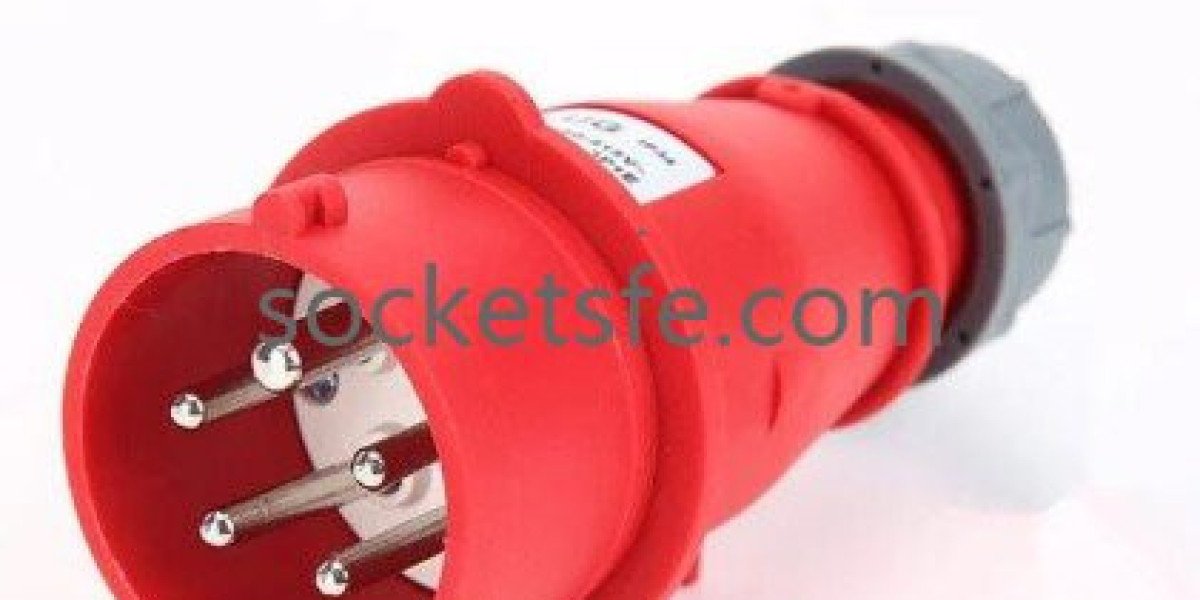

Outdoor industrial installations face environmental conditions that can affect electrical safety and equipment reliability. Rain, dust, temperature changes, sunlight, and accidental impacts all influence the selection of power connection equipment. Outdoor Industrial Socket products are intended for suitable exterior applications where dependable power access and environmental protection are important. Choosing the right model requires evaluating electrical ratings, enclosure design, installation location, and compatibility with the connected equipment.
Housing materials are a key consideration for outdoor service. Engineering plastics can provide electrical insulation, impact resistance, and design flexibility. However, materials differ in their resistance to ultraviolet exposure, temperature fluctuations, and industrial chemicals. Buyers should confirm that the enclosure material is suitable for the intended location. Secure mounting and adequate mechanical strength are also important in busy yards, workshops, and construction areas.
Ingress protection helps determine whether a socket is suitable for the expected exposure. Some installations may require protection against dust and splashing water, while more demanding locations may need a higher rating. Protective covers, gaskets, and cable entries help limit the entry of moisture and particles when correctly designed and installed. Buyers should verify the product's rated protection level rather than judging suitability from its appearance.
Electrical compatibility must be confirmed before installation. Rated voltage, current capacity, pole configuration, grounding requirements, and plug compatibility should match the connected equipment. A socket intended for one electrical system may not support a different configuration. Cable size, circuit protection, and local installation requirements also need to be considered. Outdoor placement does not reduce the importance of proper electrical design.
Contact quality influences connection stability and operating temperature. Copper and copper alloys are commonly used for conductive components because of their electrical and mechanical properties. Contact surfaces should provide reliable engagement, while suitable finishes may help manage oxidation and wear. Loose or contaminated contacts can increase resistance and create excessive heat. Regular inspection and appropriate installation help maintain reliable connections.
Installation design affects both safety and product life. Sockets should be mounted securely and positioned according to their intended use and protection rating. Cable entries, covers, seals, and mounting surfaces must be assembled according to manufacturer instructions. Where practical, installations should reduce unnecessary exposure to standing water, impact, and cable strain. Grounding and protective devices must also meet applicable electrical requirements.
Mechanical durability is particularly important in loading areas, construction sites, and industrial yards where equipment may be moved frequently. Strong mounting points help resist vibration, while protective covers can shield unused outlets from environmental exposure. Locking features may help keep compatible plugs connected during normal operation. Clear identification of electrical ratings and configurations also reduces the likelihood of incorrect connections.
Maintenance can identify problems before they lead to equipment downtime. Inspections should look for cracked housings, damaged covers, loose mounting hardware, worn seals, corrosion, and signs of overheating. The circuit must be safely isolated before servicing, and qualified personnel should carry out electrical work. Damaged components should be repaired or replaced according to manufacturer guidance rather than kept in service as a temporary measure.
For contractors, distributors, and facility managers, supplier evaluation should include technical documentation, product consistency, mounting options, environmental ratings, and relevant compliance information. Buyers should confirm whether the socket is designed for direct outdoor installation or requires additional protection. Sample checks and compatibility reviews can help ensure that the selected product meets actual site conditions before bulk purchasing.
Choosing a suitable Outdoor Industrial Socket involves balancing weather protection, electrical compatibility, mechanical strength, and maintenance requirements. Proper product selection and installation help provide dependable power access while reducing avoidable connection problems. To explore industrial socket and plug solutions, visit https://www.socketsfe.com and verify the specifications required for your outdoor application.







