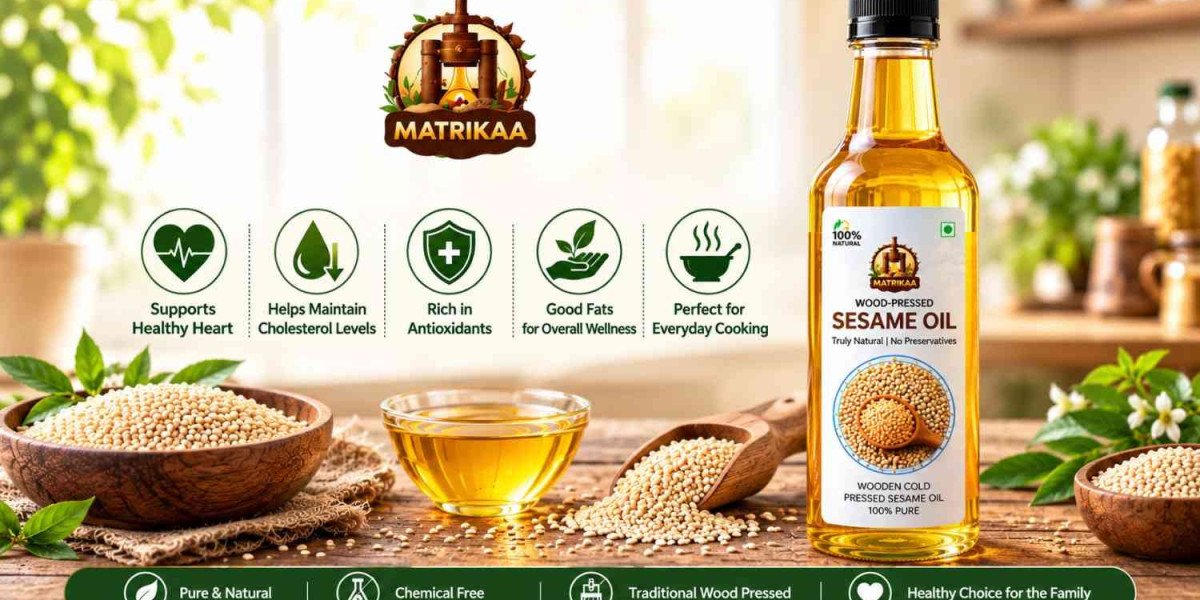

Choosing the right cooking oil can make a difference to everyday meals. With so many options available, it is natural to wonder which oil is suitable for regular cooking. Sesame oil has been used in Indian and Asian kitchens for generations because of its distinctive aroma, rich taste, and useful nutritional properties.
From traditional recipes to simple everyday dishes, sesame oil can add both flavour and nutritional value to food. But what makes it such a popular choice? Let us explore its benefits and understand why it continues to be a trusted kitchen staple.
Why Are Sesame Oil Benefits Worth Knowing?
Sesame oil is extracted from sesame seeds and contains healthy fats along with naturally occurring plant compounds. When used as part of a balanced diet, it can be a useful addition to everyday meals. Understanding the Sesame Oil Benefits can help students and young adults make more informed choices about the ingredients they use in their food.
Some of the reasons people include sesame oil in their cooking are:
It contains unsaturated fats.
It provides antioxidant compounds.
It adds a distinctive nutty flavour to meals.
It works well in several traditional recipes.
It can be used for different cooking methods.
However, no single oil can provide everything the body needs. A balanced diet with vegetables, fruits, grains, pulses, nuts, and other nutritious foods remains important.
1. Contains Healthy Fats
Fats are an essential part of a healthy diet because they help provide energy and support several functions in the body. Sesame oil contains a good amount of unsaturated fatty acids, including monounsaturated and polyunsaturated fats.
Replacing some sources of saturated fat with unsaturated fat can be a sensible dietary choice. The key is moderation because cooking oils are calorie-dense, regardless of the type.
2. Naturally Contains Antioxidants
Sesame seeds contain natural compounds such as sesamin and sesamol. These compounds are known for their antioxidant properties.
Antioxidants help protect cells from oxidative stress caused by unstable molecules called free radicals. Including antioxidant-rich foods in your diet can therefore be part of a healthy eating pattern.
Sesame oil can complement other antioxidant-rich foods such as colourful vegetables, fruits, nuts, and whole grains.
3. Adds Flavour Without Complicated Recipes
One of the easiest reasons to use sesame oil is its flavour. It has a pleasant nutty taste that can make simple meals more interesting.
You can use it in dishes such as:
Stir-fried vegetables
Noodles and rice
Homemade sauces
Salad dressings
Traditional Indian recipes
Marinades
For students who often rely on quick meals, a small amount of flavourful oil can make basic ingredients more enjoyable.
4. Supports a Balanced Cooking Routine
Healthy cooking is not only about choosing one “perfect” ingredient. It is about building sensible habits over time.
Using an appropriate amount of sesame oil while eating a varied diet can be one part of that routine. It can be especially useful when paired with nutrient-rich ingredients such as vegetables, lentils, beans, whole grains, and seeds.
Portion size is still important. Even nutritious oils should be consumed in reasonable quantities because they are energy-dense.
5. Fits Well Into Traditional Cooking
Sesame has a long history in Indian cuisine. Sesame seeds and sesame oil have been used in different regional recipes for generations.
This traditional connection is one reason sesame oil remains popular today. Modern kitchens may have many new choices, but familiar ingredients that combine flavour, versatility, and nutritional value continue to have a place on the shelf.
6. Can Be Used in Different Ways
Sesame oil is not limited to one particular type of dish. Depending on the variety and cooking method, it can be used for sautéing, seasoning, dressings, marinades, and finishing dishes.
This versatility makes it convenient for home cooks and students who want one ingredient that can work across different recipes.
It is always a good idea to check the label and follow the manufacturer's recommended use, especially when choosing between different types of sesame oil.
How to Include Sesame Oil in Your Daily Meals
Adding sesame oil to your diet does not require major changes. Start with small amounts and use it where its flavour works well with the dish.
Try these simple ideas:
Add a little sesame oil to cooked vegetables.
Use it as part of a homemade salad dressing.
Mix it into noodles or rice for extra flavour.
Use it in marinades for vegetables or other ingredients.
Add a small amount to traditional recipes where its nutty taste complements the dish.
Remember that healthy cooking is about balance. Rotating different nutritious foods and using appropriate amounts of cooking oil can help create a more varied diet.
What Should You Look for When Buying Sesame Oil?
Not all sesame oils are produced in exactly the same way. Processing methods can influence the flavour, aroma, and characteristics of the final product.
When choosing sesame oil, read the product label carefully. Look at the ingredients, processing information, packaging, and storage instructions. Choosing a product from a reliable source can also make it easier to understand what you are purchasing.
If you prefer traditionally processed products, you may also explore Cold pressed Oils, which are produced using mechanical pressing methods rather than relying primarily on chemical extraction.
Final Thoughts
Sesame oil has remained popular because it brings together flavour, versatility, and naturally occurring nutritional compounds. From simple student meals to traditional family recipes, it can be used in many different ways. The important thing is to use it in moderation and combine it with an overall balanced diet.
Rather than looking for one cooking oil that does everything, focus on making thoughtful food choices every day. A varied diet, sensible portions, and quality ingredients can go a long way toward supporting a healthy lifestyle.