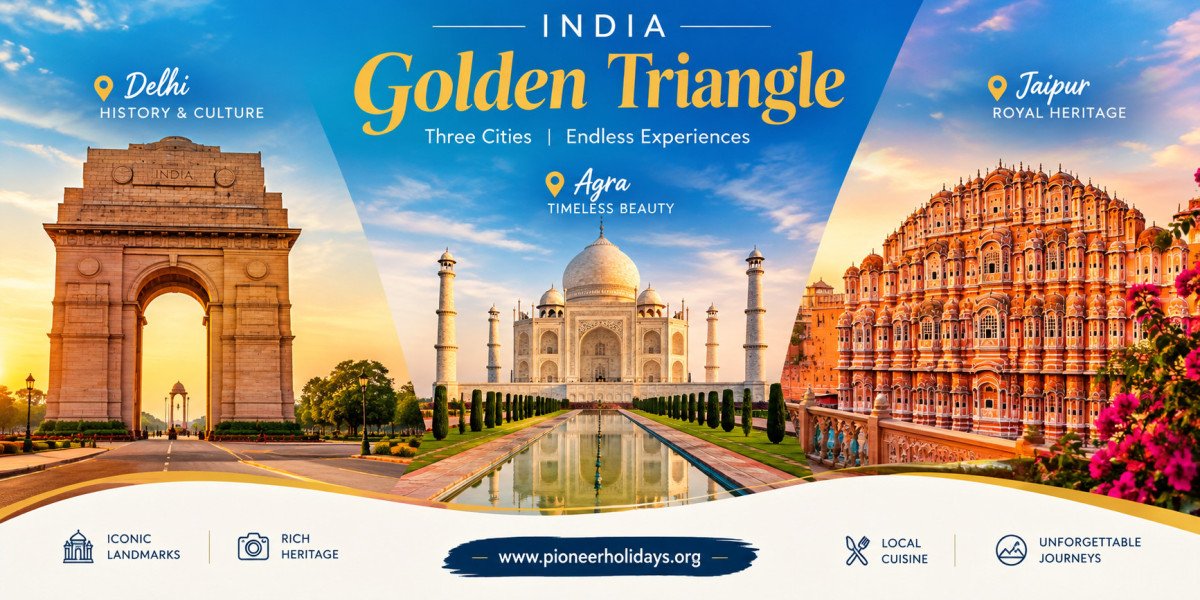

Planning a Golden Triangle Tour India becomes much easier when you choose the right season. Delhi, Agra, and Jaipur offer an incredible mix of historic monuments, colorful markets, royal architecture, and local food. However, the weather can affect how comfortably you explore these destinations, especially when visiting outdoor attractions such as the Taj Mahal, Amber Fort, and Qutub Minar.
For international travelers, the best time to visit depends on more than temperature. Crowd levels, daylight hours, travel pace, and personal interests also matter. Understanding the differences between winter, summer, and the monsoon season can help you plan a trip that feels enjoyable rather than rushed.
1. October to March: The Best Season for Comfortable Sightseeing
For most travelers, October through March is the most comfortable period to explore Delhi, Agra, and Jaipur. Temperatures are generally more suitable for walking around historic sites, visiting gardens, and exploring traditional markets.
October and November often bring pleasant daytime conditions after the monsoon. The landscapes around Jaipur can look greener, while Delhi and Agra become more comfortable for outdoor sightseeing.
December and January can be cold in the mornings and evenings. Delhi and Agra may also experience fog, which can affect road journeys and visibility around monuments. If you plan to see the Taj Mahal at sunrise, carry warm layers and allow some flexibility in your schedule.
February and March are often excellent months for sightseeing. The weather gradually warms up, making it easier to spend several hours exploring forts, palaces, and old city neighborhoods.
One important consideration is that winter is a popular travel season. Hotels and transport may be in greater demand around holidays, so booking ahead is sensible.
2. Is Summer a Good Time to Visit Delhi, Agra, and Jaipur?
April to June is generally the hottest period across the Golden Triangle. Temperatures can rise significantly, particularly in May and June, making extended outdoor sightseeing uncomfortable.
That does not mean a summer trip is impossible. Travelers with limited vacation time may still enjoy the region by adjusting their daily schedule.
Consider these practical strategies:
Visit major monuments early in the morning.
Schedule indoor attractions, museums, or hotel breaks during the hottest hours.
Carry drinking water and wear lightweight, breathable clothing.
Use sunscreen, sunglasses, and a hat.
Choose accommodation with reliable air conditioning.
Avoid packing too many outdoor activities into one day.
Agra's marble monuments and Jaipur's hilltop forts can involve considerable walking, stairs, and exposure to the sun. Take regular breaks, and reduce your pace if the heat becomes uncomfortable.
If your travel dates are flexible, consider moving your visit to October, February, or March for generally more pleasant sightseeing conditions.
3. How Does the Monsoon Season Affect a Golden Triangle Tour India?
The monsoon season typically runs from July through September, although rainfall varies from year to year. Delhi, Agra, and Jaipur can experience humid conditions, heavy showers, and occasional travel delays.
Rain can create attractive views around historic buildings and gardens. Jaipur's palaces and forts can also look especially striking against cloudy skies. In addition, some travelers may find this season appealing because it falls outside the busiest winter period.
However, rain can make outdoor sightseeing less predictable. Roads may become congested, walking surfaces can be slippery, and sudden showers may interrupt planned visits.
If you travel during the monsoon, keep a flexible itinerary. Carry a compact umbrella or light rain jacket, wear shoes with a good grip, and allow extra time for transfers between cities. Check local weather forecasts before setting out for long drives.
The monsoon can be a rewarding choice for travelers who prefer a slower journey and are comfortable adapting their plans to changing weather.
4. Choose the Right Trip Length for Your Travel Style
The ideal season matters, but the number of days you allocate to the journey is equally important. Delhi, Agra, and Jaipur each deserve enough time for their major sights without making every day feel like a race.
A 2 Days Golden Triangle Tour is a fast-paced option for travelers with very limited time. However, it leaves little room for unexpected delays or relaxed exploration.
With a 3 Days Golden Triangle Tour, you can cover key highlights, although the schedule will still be busy. A 4 Days Golden Triangle Tour provides a little more breathing room, while a 5 Days Golden Triangle Tour allows more time for local experiences and sightseeing breaks.
If you prefer a slower pace, consider a 6 Days Golden Triangle Tour. Additional days can be particularly useful during warmer months, when resting between outdoor activities makes the trip more comfortable.
You can also extend the route according to your interests. Wildlife enthusiasts may prefer a Golden Triangle Tour with Ranthambore. Travelers interested in spiritual traditions can explore a Golden Triangle Tour with Varanasi, while a Golden Triangle Tour with Amritsar adds an important cultural and religious destination.
For a more leisurely Rajasthan experience, consider a Golden Triangle Tour with Udaipur, a Golden Triangle Tour with Jodhpur and Udaipur, or a longer Golden Triangle Tour with Rajasthan. Another option is a Golden Triangle Tour with Pushkar and Jodhpur, which combines historic cities with distinctive local traditions.
Compare the route, travel time, and sightseeing pace before deciding. A longer itinerary is most useful when it gives you meaningful time to explore rather than simply adding more stops.
5. Practical Tips for Planning a Comfortable Visit
Regardless of the season, a few simple decisions can improve your experience.
Start early. Morning visits often offer cooler temperatures and a better chance of exploring popular outdoor attractions before the busiest hours.
Check monument opening days. The Taj Mahal is generally closed to visitors on Fridays, so plan your Agra sightseeing around this restriction. Check official information again before travelling, as opening arrangements and entry rules can change.
Allow time between cities. Traffic, fog, rain, and road conditions can affect journey times. Avoid scheduling an important visit immediately after a long transfer.
Pack for the season. Winter visitors should bring layers, while summer travelers need sun protection and comfortable clothing. During the monsoon, rain protection and non-slip footwear are useful.
Book essential arrangements early. During popular travel periods, reserve suitable accommodation and transport in advance. Keep some flexibility in your daily plans, especially if you are travelling with children or older family members.
For route planning and itinerary comparisons, Pioneer Holidays provides options for travelers considering different durations and destinations across northern India.
6. Frequently Asked Questions
What is the best month to visit Delhi, Agra, and Jaipur?
February is often a good choice because temperatures are generally more comfortable for sightseeing. October, November, and March can also be suitable, depending on local weather conditions.
Is December a good month for visiting the Taj Mahal?
Yes. December is a popular month, but mornings can be cold and fog may affect visibility or road travel. Dress warmly and leave extra time for your visit.
How many days are ideal for the Golden Triangle?
Four to six days generally provide a more comfortable pace than a two- or three-day trip. The best duration depends on your interests, travel budget, and whether you want to include destinations beyond Delhi, Agra, and Jaipur.
Conclusion
The best time for a Golden Triangle Tour India is usually October through March, when conditions are generally more comfortable for exploring historic monuments and busy city streets. February and early March can be especially appealing, although every season has its own advantages and challenges.
Choose travel dates that suit your comfort level, allow enough time between destinations, and plan outdoor sightseeing around the weather. With a realistic itinerary and a little flexibility, you can experience Delhi's historic landmarks, Agra's architectural treasures, and Jaipur's royal heritage at a pace that makes the journey enjoyable.