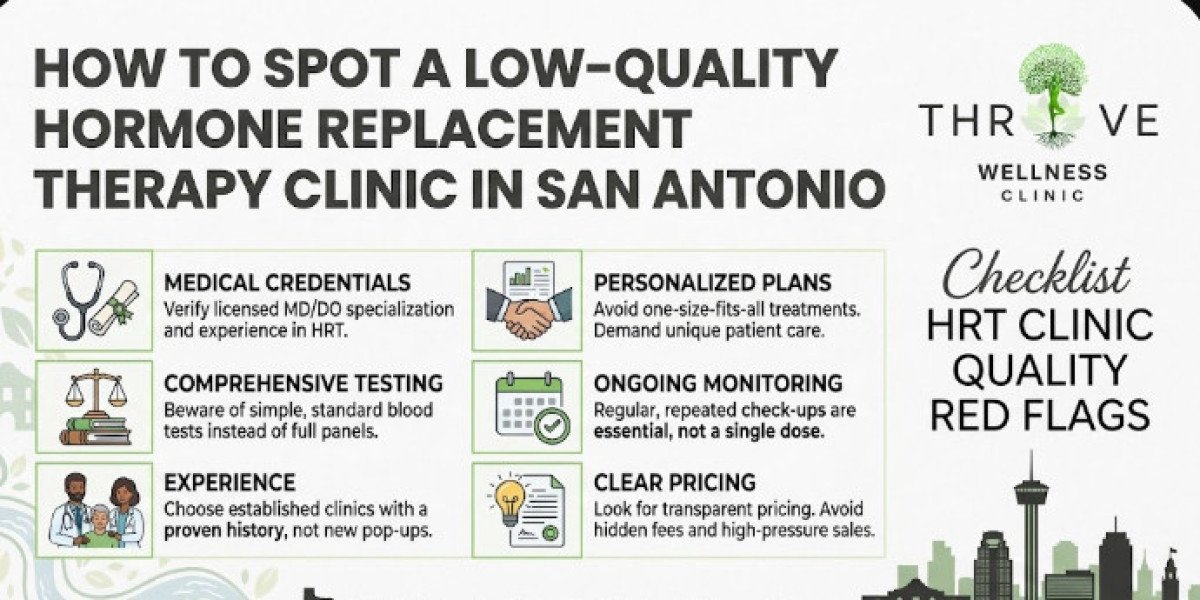

Searching for hormone care online can be overwhelming. Some clinics in San Antonio, TX look polished and promise fast relief, yet offer very little in the way of real medical oversight. Knowing what a quality clinic looks like, and what should make you pause, helps you protect your health and your money.
Good hormone replacement therapy starts with a careful medical evaluation, not a sales pitch. Because hormones affect the heart, bones, mood, sleep, and metabolism, the clinic you choose matters as much as the treatment itself. This guide walks through the clearest warning signs and the questions worth asking before you commit.
What Is Hormone Replacement Therapy?
Hormone replacement therapy is a medical treatment in which a licensed healthcare professional prescribes hormones, such as estrogen, progesterone, or testosterone, to help address symptoms linked to hormone levels that are low or changing. Often shortened to HRT, it is used for a range of concerns, including menopause symptoms and, for some patients, symptoms associated with low testosterone. The right approach depends on each person’s symptoms, lab results, health history, and goals.
Who May Be a Candidate?
A healthcare professional may consider hormone therapy for patients who:
- Have symptoms such as hot flashes, night sweats, sleep disruption, low energy, or reduced libido
- Have lab results and a clinical evaluation that support a hormone-related cause
- Have reviewed their personal and family medical history with a qualified provider
- Do not have conditions that make hormone therapy unsafe for them
Candidacy is never automatic. It is a decision made after testing and a thorough conversation.
Red Flags of a Low-Quality Clinic
The most reliable warning signs usually appear before treatment even begins. Pay attention to how a clinic handles your first contact, your first appointment, and your questions.
Treatment Without Proper Testing
A trustworthy provider reviews your symptoms, medical history, and lab work before recommending anything. If a clinic offers a prescription after a short questionnaire, or skips bloodwork entirely, that is a reason for concern. Hormone needs vary widely, and guessing can lead to ineffective or unsafe treatment.
One-Size-Fits-All Plans
Be cautious if every patient seems to receive the same protocol or the same package. Quality care is individualized, and a plan should reflect your symptoms, test results, age, and risk factors. A clinic that cannot explain why a specific hormone or dose was chosen for you is not practicing personalized medicine.
Guaranteed Results and Pressure Tactics
No ethical provider can promise specific outcomes, because responses to treatment differ from person to person. Claims like “feel 20 years younger” or “guaranteed results” should raise doubts. So should urgent discounts, pressure to prepay for long packages, or reluctance to let you think things over.
Questions About Safety and Credentials
Hormone therapy carries potential benefits and potential risks, and a good clinic will discuss both openly. Patients searching for hormone replacement therapy Texas providers should feel comfortable asking direct questions about who is treating them.
Who Is Prescribing and Supervising Your Care?
Ask who will evaluate you, who will write your prescription, and what their licensure and training are. You should be able to find out whether a physician or other qualified clinician oversees your treatment. Vague answers, or staff who cannot explain who makes medical decisions, are a bad sign.
Are Risks and Alternatives Explained?
A responsible provider will go over possible side effects, who should avoid treatment, and what other options exist, including lifestyle changes and non-hormonal approaches. If a clinic only talks about benefits, you are not getting the full picture. You should leave the consultation understanding both what treatment may offer and what it cannot do.
What Quality Hormone Care Looks Like
Strong clinics tend to share a few habits that are easy to recognize once you know them. Your first visit should feel like a medical appointment, not a transaction.
A Thorough First Visit
Expect a detailed discussion of your symptoms, health history, medications, and family history, along with appropriate lab testing. The provider should explain what the results mean in plain language. You should have time to ask questions without feeling rushed.
Ongoing Monitoring
Hormone therapy is not something to start and forget. Quality care includes follow-up visits and repeat testing to check how you are responding and whether adjustments are needed. A clinic that does not plan for follow-up is not treating hormone care as the ongoing medical process it is.
Considerations for Women Seeking Care
Many patients specifically look for hormone replacement therapy for women during perimenopause or menopause. Symptoms such as hot flashes, vaginal dryness, mood changes, and disrupted sleep can affect daily life, but treatment decisions should never be rushed. A qualified provider will weigh your symptoms against your personal risk factors, including cardiovascular health and your history of certain conditions.
Women should also expect a conversation about different forms of treatment and how long therapy may be appropriate. If a clinic dismisses your concerns or recommends treatment without reviewing your history, consider getting a second opinion. A good provider welcomes that.
Practical Tips for Choosing a Clinic in San Antonio, TX
When comparing options for HRT in San Antonio, TX, or searching for hormone therapy near me, a few practical steps can help. Read the clinic’s website carefully for clear information about its providers and services. Look for transparent explanations of what an evaluation includes and how follow-up care works.
You can also call ahead and ask how new patients are assessed, whether lab work is required, and who answers medical questions between visits. Clear, patient answers are a good sign. Evasive responses are worth noting before you book.
Choosing Care You Can Trust
A quality hormone clinic evaluates before it prescribes, individualizes treatment, explains risks honestly, and monitors your progress over time. A low-quality one tends to rush, overpromise, and avoid detailed questions. Trust your instincts, and do not be afraid to ask for credentials, test results, or a second opinion. Your health decisions deserve time and a qualified healthcare professional’s guidance.
Frequently Asked Questions
How do I know if a hormone clinic is legitimate?
A legitimate clinic is led by licensed medical professionals, orders appropriate lab testing, and explains both benefits and risks. It will also plan follow-up care. If you cannot find clear information about who treats patients, be cautious.
Is bloodwork always required before starting hormone therapy?
In most cases, a provider will review lab results alongside your symptoms and history before recommending treatment. Skipping testing entirely is a common warning sign. Your provider can explain which tests are appropriate for you.
Is HRT safe for everyone?
No. HRT may not be appropriate for people with certain medical conditions or risk factors. A qualified healthcare professional can review your history and help you decide whether it makes sense for you.
Can a clinic guarantee results from hormone therapy?
No ethical provider can guarantee outcomes. Responses vary from patient to patient, and treatment often requires adjustments over time.
Should I get a second opinion before starting treatment?
A second opinion can be very helpful, especially if you feel rushed or uncertain about a recommendation. Reputable providers support patients who want to be fully informed.
When should I talk to a healthcare professional about hormone symptoms?
Consider scheduling a visit if symptoms like hot flashes, fatigue, sleep problems, or mood changes are affecting your daily life. A professional evaluation can help identify the cause and discuss suitable options.