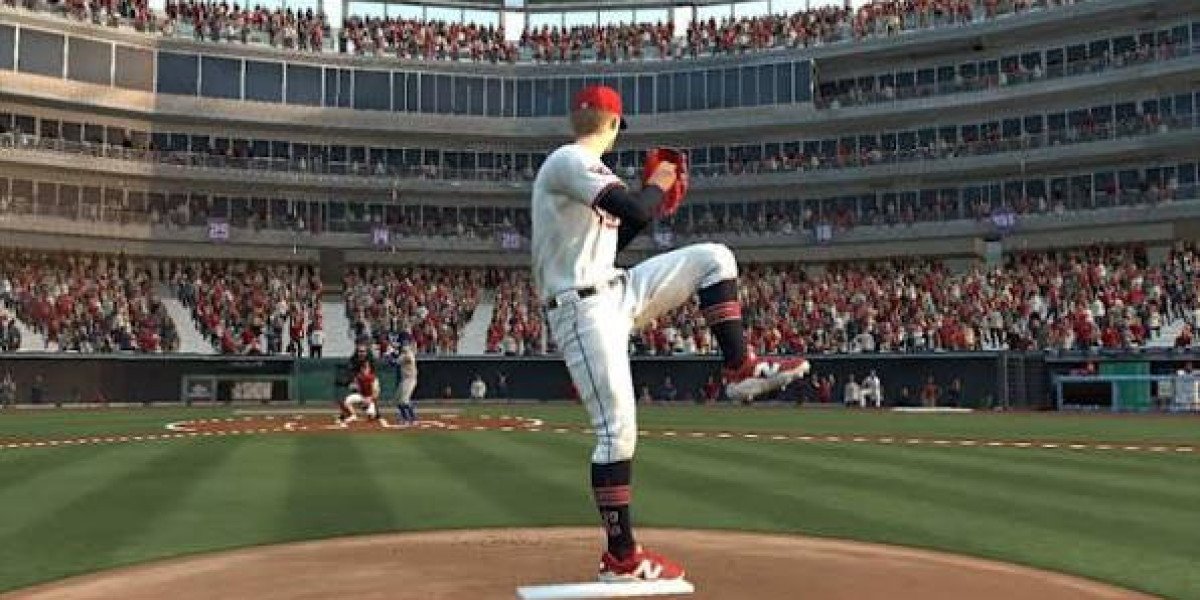

Down several runs against an opponent who punishes every misplaced fastball, your MLB The Show 26 Postseason Event session can still move toward Andy Pettitte and Ivan Rodriguez without a comeback. That is the value of planning around statistical missions rather than treating every loss as wasted time. Before spending MLB 26 stubs on roster changes, identify which objectives your existing lineup can finish together. The listed reward thresholds are 25 program points for Pettitte and 50 for Rodriguez. Your immediate job is to create overlapping progress, not assemble an expensive roster or force five wins against stronger opponents.
The 50-point route does not require five wins
The mission arithmetic gives inconsistent online players a workable route: ten hits award five points, twelve innings pitched award ten, fifteen strikeouts award ten, twenty runs award ten, and fifty total bases award fifteen. Together, those objectives reach Rodriguez at exactly 50 points. Pettitte arrives earlier; completing the hits, innings, and strikeout missions produces his required 25. These are planning checkpoints, not a mandatory completion order. Five wins provide another fifteen points, so successful players should count those toward their route rather than ignore them. The statistical path matters because it removes dependence on wins, not because it will always finish fastest.
Measure offensive progress by bases, not swing aggression
Total bases per hit is the useful offensive metric here. Fifty singles produce fifty total bases; twenty-five doubles produce the same total with half as many hits. That arithmetic favors extra-base production, but it does not justify swinging harder at worse pitches. Use hitters whose timing you trust, protect the strike zone, and attack locations you can drive. Walks can help create scoring opportunities, but they do not add total bases. Against opponents who consistently work the edges, chasing home runs usually stalls both objectives. Take the free runner when available, then look for contact that advances the twenty-run mission alongside the total-bases target.
Strikeouts need their own pace check
Fifteen strikeouts across twelve innings requires an average of 1.25 strikeouts per inning. That is a tracking benchmark, not a requirement to finish both missions simultaneously. If you reach six innings with only four strikeouts, your innings objective is progressing faster than your strikeout objective. Adjust pitch selection before assuming more innings alone will solve the gap. Establish strikes, change speeds, and use finishing pitches you can locate reliably. Patient opponents who refuse pitches outside the zone make this route slower; repeatedly missing off the plate only creates deeper counts. When a hitter keeps making contact, accept an efficient out instead of sacrificing the entire appearance to pursue one strikeout.
Let unfinished counters dictate the next session
The remaining alternatives are 5,000 Parallel XP with 2026 Postseason Series players for ten points and 15,000 Parallel XP with any players for twenty-five. Use eligible cards when they fit your approach, but do not weaken a productive lineup merely to chase the smaller target. Check counters after each game and compare unfinished missions before committing another session. With the listed deadline of October 23, 2026, at noon Pacific Time, finishing reachable objectives matters more than speculative upgrades. Browsing MLB 26 stubs for sale is no substitute for identifying the remaining points your current roster can realistically earn in MLB The Show 26.



Popular Posts
-
 See What Fireplace Deals Tricks The Celebs Are Making Use Of
-
 القوة الخفية للمكونات الطبيعية في العناية بالبشرة: دراسة علمية لأهم المستخلصات الطبيعية
-
 Anavar Results After 2 Weeks: What You Want To Anticipate
-
 Transforming Businesses Through Award-Winning Business and Technology Consulting
-
dragon money





